

Building a Healthier Home Water System With the Right Care and Guidance
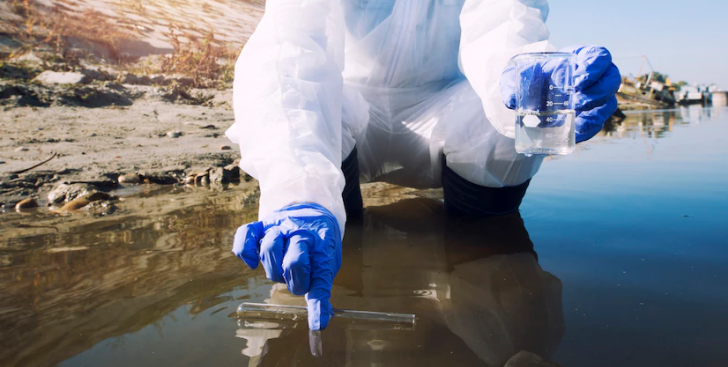
Water is part of nearly every routine at home. It starts the coffee maker in the morning, fills cooking pots, washes clothes, cleans dishes, and keeps the garden alive. Because it is so familiar, people often don’t think much about its quality until something changes. A strange taste, cloudy appearance, low pressure, or mineral buildup can suddenly make an ordinary task feel like a chore.
Good water management is not just about installing a filter and forgetting about it. It involves understanding the water source, identifying potential problems, selecting suitable equipment, and maintaining the system over time. When these pieces work together, a home can have water that feels cleaner, performs better, and supports daily life more comfortably.
Why Your Home’s Water Quality Matters
Water quality can vary depending on whether a property receives municipal water, uses a private well, or relies on another local source. Public water supplies are treated, but they may still contain chlorine, minerals, sediment, or trace substances picked up through distribution pipes. Well water can contain naturally occurring minerals, bacteria, iron, sulfur, or other contaminants depending on local conditions.
Some problems are easy to notice. A rotten-egg smell, metallic taste, or orange staining can point toward a water-quality issue. Other concerns may not be visible at all. Dissolved contaminants can remain undetected without laboratory testing, which is why appearance alone should never be the only measure of safety.
Water quality also affects more than drinking. Hard water can damage appliances, while sediment may clog fixtures and filters. Poor water chemistry can reduce the lifespan of plumbing components and create extra cleaning work throughout the house.
Start With a Proper Water Assessment
The first step toward improving water quality is finding out what needs to be improved. A professional assessment may include a discussion about the water source, household concerns, plumbing conditions, and previous treatment equipment.
Water testing can measure factors such as hardness, pH, turbidity, chlorine, iron, manganese, nitrates, and bacteria. Depending on the area and concerns involved, testing may also include lead, arsenic, pesticides, or PFAS.
Many homeowners search for free water testing when they first begin exploring treatment options. This can be a useful starting point, especially when it helps identify obvious water-quality concerns. However, it’s important to understand what the test includes, whether the results come from a certified laboratory, and which contaminants are actually being measured.
A basic screening test may not provide a complete picture. If the water comes from a private well, testing for bacteria and nitrates is particularly important. Additional testing may be recommended after flooding, well repairs, plumbing changes, or a noticeable change in taste or smell.
Understanding Common Water Treatment Equipment
Once testing identifies the issue, the next step is selecting equipment that addresses the problem without adding unnecessary complexity.
Sediment Filtration
Sediment filters remove particles such as sand, dirt, rust, and silt. They are often installed as a first stage of treatment to protect other equipment and improve water clarity. Homes using well water or properties with aging pipes may benefit from this type of filtration.
Activated Carbon Filtration
Activated carbon filters are commonly used to reduce chlorine, certain organic compounds, and unpleasant tastes or odors. They are available in under-sink units, refrigerator filters, countertop systems, and whole-house configurations.
Water Softeners
Water softeners are designed to reduce calcium and magnesium, the minerals responsible for water hardness. They can help limit scale, improve soap performance, and protect water heaters and appliances. The correct size depends on water hardness, household usage, and regeneration requirements.
Reverse Osmosis Systems
Reverse osmosis systems use a membrane to reduce many dissolved substances. They are often installed under the kitchen sink to provide treated water for drinking and cooking. These systems usually require pre-filters and regular membrane replacement to maintain performance.
Ultraviolet Disinfection
UV systems use ultraviolet light to inactivate many microorganisms. They may be suitable for private wells or other water sources where microbial contamination is a concern. UV does not remove sediment, hardness, or chemicals, so it generally needs to be combined with other treatment stages.
Why Professional Installation Makes a Difference
Water treatment equipment must work with the property’s plumbing, pressure, flow rate, and drainage setup. Even a high-quality system can perform poorly if it is incorrectly sized or installed.
Professional water system services can include water testing, equipment recommendations, installation, plumbing adjustments, system setup, and performance checks. A qualified provider can help determine whether the home needs point-of-use treatment, whole-house filtration, or a combination of systems.
For example, a family concerned mainly about drinking-water taste may only need an under-sink carbon or reverse osmosis system. A home experiencing scale in every bathroom and appliance may need a whole-house softener. A property with well-water odors, iron staining, and bacterial concerns may require several treatment stages.
Professional guidance also helps avoid common mistakes, such as installing a filter with an insufficient flow rate or choosing a softener that is too small for the household. These issues can lead to frequent regeneration, pressure loss, poor performance, and higher operating costs.
Maintenance Keeps the Water System Effective
A water treatment system is not a one-time purchase. Filters become saturated, membranes wear out, UV lamps lose effectiveness, and moving components may need inspection. Without routine care, even a reliable system can stop delivering the expected results.
Homeowners should follow the manufacturer’s recommended replacement schedule. Filter cartridges may need changing every few months, while other components may last longer depending on water quality and usage. A household with heavy sediment or high contaminant levels may need more frequent maintenance.
It is also wise to watch for warning signs. Reduced water pressure, unusual noises, leaks, changes in taste, or a return of unpleasant odors may indicate that the system needs attention. Waiting until the equipment fails completely can create unnecessary expense and inconvenience.
The Value of Ongoing Assistance
Water conditions can change, and household needs can change with them. A new family member, home renovation, increased water usage, or a change in the water source may affect the way a treatment system should operate.
Reliable ongoing support gives homeowners access to advice when questions arise. This may include maintenance reminders, replacement filters, troubleshooting, periodic water testing, and professional servicing. Having someone familiar with the system can make it easier to resolve problems before they become major repairs.
Support is particularly useful for more advanced systems. Homeowners may not always know whether a pressure change is caused by a clogged filter, a plumbing issue, or a malfunctioning control valve. Professional assistance can help identify the cause rather than relying on guesswork.
Making a Smart Long-Term Choice
Price is important, but it should not be the only factor when selecting water treatment equipment. Homeowners should consider installation costs, replacement parts, energy or salt consumption, wastewater production, service requirements, and warranty coverage.
A low-cost system may seem attractive initially but become expensive if filters are difficult to find or maintenance is complicated. Likewise, a system that is too large for the home may waste resources without offering meaningful benefits.
The best choice is usually a system that matches the water problem, household demand, available space, and maintenance budget. Ask clear questions before installation: What does the system remove? What does it not remove? How often do parts need replacing? What happens if the equipment stops working?
Final Thoughts
Better water quality begins with attention rather than guesswork. Testing helps identify the actual issue, while properly selected treatment equipment can improve water taste, reduce mineral buildup, protect appliances, and address specific contaminants.
The process doesn’t end after installation. Regular maintenance, timely repairs, and dependable support are essential for keeping a water system working as intended. With the right combination of testing, professional service, and long-term care, homeowners can enjoy cleaner, more reliable water and greater confidence in one of the most important resources in the home.