

When Cleaner Water Matters: Understanding Reverse Osmosis and Modern Filtration
Water is everywhere in our daily routines, but we tend to notice its quality only when something seems off. Maybe the tap water has a strange taste, the coffee doesn’t taste quite right, or mineral deposits keep appearing on the kitchen faucet. For homes and businesses, these small annoyances can eventually become reasons to look more closely at how water is treated.
One technology that has become increasingly popular is reverse osmosis. It can provide a high level of filtration for drinking water and a range of other applications. But like any treatment method, it works best when it’s chosen for the right reason and maintained properly.
What Reverse Osmosis Actually Does
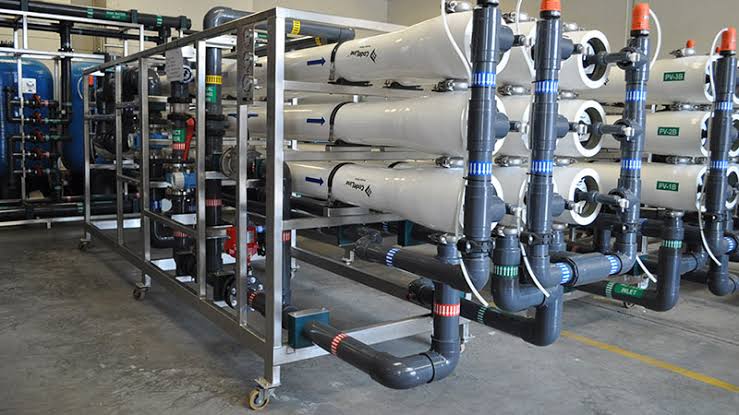
Reverse osmosis is a filtration process that uses pressure to push water through a semipermeable membrane. The membrane has extremely small pores, allowing water molecules to pass while reducing many dissolved substances and contaminants.
In simple terms, think of it as a very fine barrier between the water you want and many of the things you don’t.
Modern reverse osmosis systems are commonly used in homes, offices, restaurants, laboratories, and other settings where improved water quality is important. Depending on the system and membrane, reverse osmosis can reduce various dissolved solids, salts, minerals, and other unwanted substances.
However, no system removes absolutely everything. That’s why understanding the water source and testing the water beforehand remains important.
Why Taste Can Be Such a Big Deal
Water quality isn’t only about what’s technically present in the water. Taste matters too.
Some people are perfectly happy drinking straight from the tap, while others notice chlorine, mineral flavors, or other characteristics immediately. When water doesn’t taste pleasant, people may reach for bottled drinks instead, which can become expensive and create a surprising amount of plastic waste.
A properly designed treatment system can improve the taste and overall drinking experience. For many households, the appeal of purified water is simply that it tastes cleaner and feels more enjoyable to drink.
There’s something nice about filling a glass at home and not having to wonder whether you’ll actually want to finish it.
Reverse Osmosis Isn’t Just for Kitchens
Under-sink reverse osmosis systems are probably the most familiar application, but the technology has a much wider range of uses.
Businesses may use treated water for beverage preparation, food service, equipment, laboratories, or specialized processes. In these settings, water quality can influence everything from the final product to the performance of equipment.
A coffee shop, for example, may need to balance water treatment carefully. Water that’s too hard can contribute to scale in coffee equipment, while water with certain dissolved substances can affect flavor.
The right treatment can therefore serve two purposes: improving the water itself and protecting the equipment that relies on it.
Water Quality Matters in Food Processing
Water isn’t just something businesses use for drinking. It’s also an important ingredient and processing resource in many industries.
In food processing, water may be involved in cleaning, cooking, rinsing, ingredient preparation, steam generation, and other steps. Its quality can therefore have a direct relationship with operations and product consistency.
That doesn’t mean reverse osmosis is automatically required for every food-related business. Treatment requirements depend on the process, source water, applicable standards, and desired outcome.
Testing is the sensible starting point. Once the characteristics of the water are understood, a treatment professional can determine whether reverse osmosis, carbon filtration, softening, or another technology is appropriate.
Why Pre-Filtration Can Matter
Reverse osmosis membranes are highly effective, but they aren’t designed to handle everything without support.
Many systems use pre-filters before water reaches the membrane. Sediment filtration can help capture particles, while activated carbon may reduce chlorine and certain compounds that could otherwise affect membrane performance.
This layered approach is important because each stage has a specific job.
A well-designed system doesn’t simply throw one filter at the problem. Instead, it uses several treatment stages where necessary, allowing each component to work within its intended role.
It may sound more complicated, but in practice, the process is fairly straightforward when the system is properly designed.
Don’t Forget About Water Pressure
Reverse osmosis depends on pressure to push water through the membrane. If incoming pressure is too low, production can slow down and system performance may suffer.
This is something homeowners occasionally discover only after installation.
Before choosing equipment, it’s worth checking the available water pressure and considering the household’s demand. Some systems may require additional equipment, such as a booster pump, to operate effectively under certain conditions.
Storage capacity matters too. A household that uses a lot of treated drinking water may need a larger storage tank or a system designed for higher production.
Maintenance Is Part of the Process
A reverse osmosis system isn’t maintenance-free. Filters eventually become exhausted, and the membrane itself has a service life that depends on water quality, usage, and system design.
Changing filters on schedule helps protect the membrane and maintain water quality. If maintenance is ignored for too long, production may slow down or taste may change.
It’s a good idea to keep a simple record of filter replacements. You don’t need a complicated spreadsheet. A note on your phone or a reminder on the calendar is usually enough.
And if the water suddenly tastes different or production drops significantly, don’t just keep using the system and hope it sorts itself out.
Choosing the Right System for the Job
Not every reverse osmosis system is built for the same application. Residential systems are designed around household drinking-water needs, while commercial equipment can be much larger and capable of producing significantly more treated water.
When comparing systems, consider membrane capacity, storage, filtration stages, replacement-part availability, installation requirements, and ongoing maintenance.
The cheapest option isn’t necessarily the best value. A system with readily available replacement filters and straightforward servicing may be much easier to own over several years.
It’s also worth asking what the system is actually designed to remove. Marketing language can make treatment equipment sound almost magical, but specific claims should always be connected to the actual technology and water conditions.
A Practical Approach to Better Water
Reverse osmosis can be an excellent tool for improving water quality, but it shouldn’t be treated as a universal answer.
Start with testing. Understand what is in your water and what you actually want to change. From there, consider whether reverse osmosis is appropriate or whether another treatment method—or a combination of methods—would make more sense.
Good water treatment isn’t about installing the most advanced equipment available. It’s about choosing technology that solves a real problem and then taking care of it properly.
When the system is correctly matched to the water and maintained as recommended, the result is wonderfully simple: better-tasting water, greater confidence in what you’re drinking, and one less thing to worry about every time you turn on the tap.