

How to Improve Water Flow and Protect Your Home’s Plumbing
There’s nothing quite like turning on the shower after a long day, only to find that water is barely trickling from the head. Or perhaps filling a cooking pot takes twice as long as it used to, and the kitchen tap seems to have lost its usual strength. It’s frustrating, especially when you’re not sure whether the problem lies with your plumbing, the water supply, or a treatment system you’ve installed.
Changes in household water performance can happen for several reasons. Mineral buildup, clogged screens, sediment, ageing pipes, and pressure problems may all play a part. Sometimes the fix is surprisingly simple. Other times, a closer inspection is needed.
The important thing is not to assume that every weak tap needs a new pump or that installing a water purifier will automatically improve things. Understanding how your plumbing works can help you find the real cause and avoid spending money unnecessarily.
What Affects Water Flow at Home?
The strength of the water coming from a tap depends on several factors, including supply pressure, pipe size, plumbing condition, and the number of outlets being used at once.
For example, if the shower weakens whenever someone opens a kitchen tap, the issue may involve available supply pressure or the plumbing layout. If only one tap has a problem, a blocked aerator or local obstruction is more likely.
Pay attention to when the change happens. Did it begin suddenly, or has it gradually become worse over several months? Does it affect every outlet or just one bathroom? These details can help narrow down the possible causes.
A drop in water flow throughout the home may point to a supply issue, a partially closed valve, a pressure regulator problem, or a blockage in the plumbing. If the change is sudden or affects neighbouring homes, contact your water supplier or building maintenance team before attempting major repairs.
For homes that rely on overhead tanks or borewells, the pump, tank level, and delivery pipes may also affect performance. If you’re unsure how these components work together, a qualified plumber can check the system safely.
Mineral Buildup Can Slowly Restrict Pipes
Hard water contains dissolved minerals, particularly calcium and magnesium. These minerals aren’t usually a direct health concern at typical levels, but they can create annoying maintenance problems.
Over time, mineral deposits may accumulate around tap outlets, showerheads, heating elements, and certain plumbing components. The result can be uneven spray patterns, stubborn white marks, or reduced performance from individual outlets.
You might notice this first in the shower. Some holes spray sideways while others barely release water. Before replacing the entire showerhead, remove and clean it according to the manufacturer’s instructions. If deposits return quickly, it may be worth checking the hardness of your water.
A water softener can reduce hardness when properly selected and maintained. However, it isn’t a universal plumbing treatment. It won’t fix a damaged pipe, a faulty pump, or low pressure caused by the municipal supply.
If mineral buildup is severe, don’t try to solve the problem by increasing pressure blindly. Excessive pressure can strain pipes, joints, and appliances. Finding the underlying cause is a much better long-term approach.
Choosing a Filter Without Sacrificing Performance
Water treatment can improve water quality, but equipment must be sized and installed correctly. A poorly chosen system may create unnecessary pressure loss, especially if the cartridge becomes clogged or the unit isn’t suited to the household’s demand.
A filter removes particular contaminants or particles according to its design. Sediment filters, for example, capture suspended material such as sand, silt, and rust flakes. Activated carbon filters can reduce chlorine taste and certain organic compounds when designed for that purpose.
Neither technology is a guaranteed solution for every water problem. Sediment filtration won’t remove all dissolved substances, and a carbon cartridge shouldn’t be assumed to disinfect unsafe water.
Before buying a system, identify what you want it to do. If water contains visible particles, suitable sediment filtration may help. If the concern is an unpleasant chlorine taste, an appropriately rated carbon filter could be more useful. Where drinking water safety is uncertain, testing should guide the choice.
Check the manufacturer’s recommended operating pressure and flow capacity. A small drinking-water purifier may work perfectly at one kitchen tap but be unsuitable for supplying several bathrooms. Likewise, a whole-house system needs sufficient capacity for the property’s peak demand.
Maintenance is just as important. As a cartridge collects particles, resistance can increase and performance may decline. Replacing cartridges on schedule and following installation guidance helps keep the system working as intended.
Don’t Overlook Taps, Showerheads, and Other Fixtures
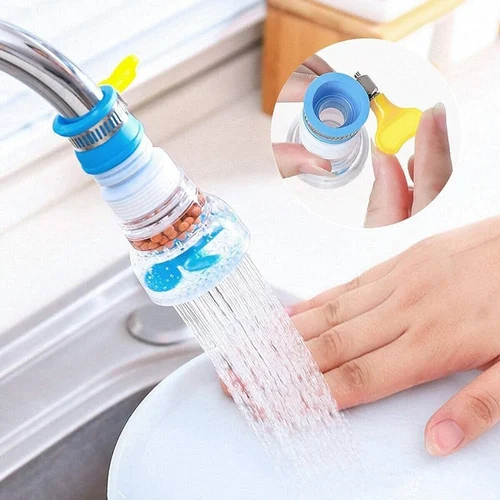
Sometimes the plumbing itself is fine, and the problem is sitting right in front of you. Aerators, showerheads, and other fixtures can collect mineral deposits, sediment, or small particles that restrict the outlet.
A tap aerator is the small fitting at the end of many faucets. It mixes air with water to produce a smooth stream, but its fine screen can also trap debris. If the flow from one tap has weakened, cleaning the aerator may be a sensible first step.
Turn off the tap, remove the aerator if the design allows it, and rinse away loose particles. Follow the manufacturer’s cleaning instructions for stubborn deposits, particularly if the fitting has a special finish. Avoid harsh chemicals or abrasive tools that could cause damage.
Showerheads can often be cleaned in a similar way. If you live in a rented property or an apartment building, check with the landlord or maintenance team before removing components you aren’t familiar with.
If cleaning doesn’t help, the restriction may be farther inside the plumbing. Corrosion, damaged valves, or debris left after repair work can affect performance. A plumber can investigate without the guesswork involved in replacing parts one by one.
When Low Pressure Needs Professional Attention
A persistent drop in pressure throughout the home deserves a closer look, particularly if it occurs suddenly. Possible causes include a failing pump, a faulty pressure regulator, a leak, or a problem with the incoming supply.
Look for other signs, such as damp patches, unexplained increases in water use, unusual pump noises, or water that has suddenly become discoloured. If you suspect a leak, arrange an inspection promptly. Hidden leaks can damage walls, flooring, and foundations if left unresolved.
Avoid adjusting pressure controls or opening pressurised equipment unless you’re qualified to do so. If the system uses a pump, electrical components and pressure vessels need proper handling.
For homes using stored water, make sure tanks and associated equipment receive appropriate inspection and cleaning. Sediment in a storage tank may eventually enter the plumbing, while a poorly maintained tank can create separate water quality concerns.
Keep Water Performance Consistent
You don’t need an elaborate maintenance routine to catch many household water problems early. Check tap aerators occasionally, clean showerheads when needed, replace treatment cartridges according to instructions, and look out for changes in pressure or water appearance.
If several outlets weaken at the same time, investigate the supply and plumbing rather than focusing on a single fixture. If only one tap is affected, start with the simpler possibilities before considering expensive repairs.
Water quality and plumbing performance are connected, but they’re not the same thing. A filter may improve taste or reduce certain contaminants without solving a pressure issue. Similarly, strong water pressure doesn’t guarantee that drinking water is safe.
The best results come from identifying the cause first, choosing suitable equipment, and keeping it properly maintained. A little attention now can prevent bigger headaches later—and help your household enjoy reliable water flow without unnecessary repairs or purchases.