

Keeping Your Water Treatment System Working: The Value of Ongoing Care
Installing a water treatment system can make everyday life more comfortable. Your drinking water may taste better, mineral deposits might become less noticeable, and household appliances may benefit from reduced scale buildup. But there’s one thing homeowners sometimes overlook: buying the equipment is only the beginning.
Like any system that works behind the scenes, water treatment equipment needs attention from time to time. Filters become clogged, softeners use up their salt, and small mechanical issues can develop without much warning. If nobody checks the system, its performance may gradually decline, often before anyone realizes there’s a problem.
The good news is that keeping everything running properly doesn’t have to be difficult. A few sensible habits, timely servicing, and a reliable support provider can help protect your investment and maintain the water quality your household depends on.
Why Water Treatment Equipment Needs Ongoing Attention
Water treatment systems deal with minerals, sediment, organic matter, and other substances found in a water supply. Their job is to capture, reduce, or manage these materials, depending on the technology involved. Over time, that work takes a toll on certain components.
A sediment filter, for example, collects particles as water passes through it. Eventually, those particles restrict the flow. An activated carbon filter gradually loses its ability to reduce particular contaminants as its usable capacity is exhausted. A water softener may continue operating, but low salt levels or a problem with its regeneration cycle can affect its performance.
These changes don’t always announce themselves dramatically. You might notice that water pressure has dropped slightly, soap doesn’t lather as well, or an unfamiliar taste has returned. Sometimes, there are no obvious signs at all.
That’s why regular maintenance and support matter. Routine inspections help identify worn parts, leaks, incorrect settings, and other issues before they become expensive headaches. They also give homeowners an opportunity to ask questions and understand whether their system is still suited to their needs.
Maintenance isn’t simply about keeping a machine running. It’s about making sure the equipment continues to do the job it was installed to perform.
Knowing When Your Filters Need Attention
Filters are among the most important components in many residential water treatment systems. Yet they’re also easy to forget. Once a unit is tucked beneath the kitchen sink or installed in a utility area, it can fade into the background of everyday life.
Unfortunately, filters don’t last forever. Their service life depends on the filter type, the volume of water used, the quality of the incoming supply, and the contaminants they’re designed to reduce. A household with several occupants may go through filter capacity faster than a home where water consumption is relatively low.
Following the manufacturer’s replacement schedule is a good starting point. Some systems include indicator lights or digital reminders, while others require homeowners to track installation dates themselves. Keeping a simple note on your phone can save you from trying to remember when a cartridge was last changed.
Timely filter replacements can help maintain treatment performance and prevent restricted water flow. Waiting until the water tastes unpleasant isn’t always wise, because some contaminants have no detectable taste or smell. A filter may have reached its recommended service limit even when the water seems perfectly normal.
It’s equally important to use the correct replacement component. A cartridge that looks similar to the original isn’t necessarily compatible with your system or certified for the same contaminant-reduction claims. Check the model number, manufacturer guidance, and any relevant certification before purchasing a substitute.
After changing a filter, follow the instructions for flushing the system and checking for leaks. It’s a small step, but it can prevent problems later.
Water Softeners Require a Different Kind of Care
Water softeners work differently from ordinary drinking-water filters. Most conventional household models use an ion-exchange process to reduce calcium and magnesium, the minerals responsible for water hardness.
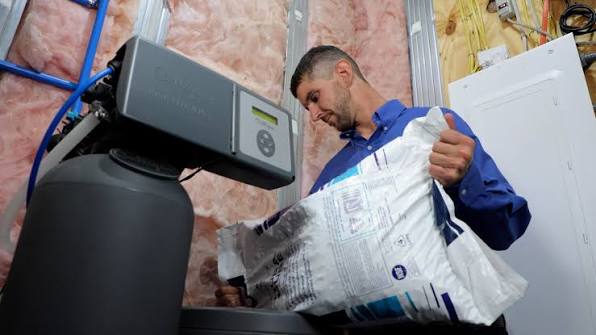
These systems generally need salt to regenerate their resin beds, although salt-free conditioners are also available and operate differently. If your home uses a salt-based softener, checking the brine tank should become part of your maintenance routine.
The salt level doesn’t need to be watched every day. However, letting the tank run empty for too long can interrupt normal operation. The appropriate salt type and quantity depend on the equipment, so it’s best to follow the manufacturer’s instructions rather than filling the tank without checking.
For busy households, a salt delivery service can make this task more convenient. Instead of remembering to buy heavy bags whenever supplies run low, homeowners can arrange scheduled deliveries based on their usage and storage space. This can be especially useful for people who don’t have easy access to a nearby supplier or prefer not to carry bulky bags.
Still, salt isn’t the only thing worth checking. Periodically inspect the tank for unusual buildup, make sure the control settings are appropriate, and watch for changes in water hardness. If the water begins leaving familiar scale marks again, the softener may need attention.
Avoid adjusting regeneration settings without understanding their purpose. Incorrect settings can waste water and salt or leave the system unable to manage hardness effectively.
Recognizing the Signs of a Developing Problem
A water treatment system doesn’t always fail all at once. More often, performance changes gradually.
A noticeable reduction in water pressure could indicate a clogged filter, although plumbing restrictions and other faults can cause similar symptoms. A return of mineral deposits may suggest that a softener isn’t regenerating correctly. An unusual noise, persistent leak, or repeated error message deserves investigation rather than a quick guess.
Taste and odor changes also warrant attention. Sometimes the cause is harmless, such as a dirty faucet aerator or a temporary change in the source water. In other cases, it may point to a problem that needs professional assessment.
If water suddenly becomes discolored or develops an unfamiliar chemical smell, don’t assume that replacing a filter will solve the issue. Check local water-supplier notices where applicable and seek appropriate testing or advice. If contamination is suspected, use a safe alternative water source until the situation has been assessed.
A service technician can inspect components, test operating conditions, and determine whether the equipment is functioning as intended. This is particularly useful when the system appears to be running but the original water-quality problem has returned.
Choosing a Service Provider You Can Trust
Good after-sales support should make ownership easier, not more confusing. When choosing an installer or maintenance company, look for clear pricing, knowledgeable technicians, and straightforward explanations of the work being recommended.
Ask what routine servicing includes. Does it cover checking connections, inspecting valves, reviewing settings, and testing performance where appropriate? Are replacement parts charged separately? How quickly can the company respond if a leak or equipment failure occurs?
A dependable provider won’t insist that every problem requires a new system. Sometimes, a small adjustment or replacement component is all that’s needed. Other times, testing may reveal that the original equipment was never designed to address the issue in the first place.
Keep records of installations, service visits, filter changes, and water tests. These details help technicians understand the system’s history and make better decisions during future appointments.
A Little Care Goes a Long Way
Water treatment equipment is easy to take for granted because most of its work happens out of sight. But the benefits of cleaner-tasting water, reduced scale, or improved household convenience depend on equipment that remains in good working order.
You don’t need an elaborate maintenance plan to stay on top of things. Follow the manufacturer’s schedule, replace components when required, check salt supplies if you use a conventional softener, and investigate unusual changes instead of ignoring them.
Most importantly, remember that maintenance and water safety go hand in hand. Servicing helps equipment perform as intended, but it doesn’t replace water testing when quality concerns arise.
With the right care and a reliable source of professional advice, your water treatment system can remain a useful part of your home for years to come. A little attention now is often far easier than dealing with an avoidable problem later.