Blog

  • How to Find the Right Entertainment Blogs for a Guest Post

    Entertainment is a broad beat. A film review site, a music blog, a celebrity-news page, and a publication about streaming culture may all cover entertainment, but their audiences and expectations are very different. That matters when you are planning a guest post: the right placement can introduce your ideas to interested readers, while a mismatched article may feel out of place. A thoughtful approach starts with choosing publications for their relevance, not simply their reach.

    Guest posting can help writers, creators, and businesses share useful perspectives beyond their own websites. It can also build relationships with editors and give readers a fresh voice on subjects they already follow. Here are practical steps for finding suitable entertainment blogs and preparing a pitch that respects their audience.

    Start With a Clear Topic

    Before searching for publications, decide what you can contribute. “Entertainment” is too broad to guide a useful pitch. Narrow it to a subject you understand, such as independent film, television production, music discovery, animation, gaming culture, or the business of streaming. A defined angle makes it easier to identify readers who will care about the article.

    It helps to frame the idea around a reader’s question. Instead of proposing a general piece about a popular series, you might explain how its visual style supports the story, or how a soundtrack changes the mood of a key scene. Specific ideas are easier for an editor to assess and less likely to duplicate routine coverage.

    Look Beyond a Site’s Name

    A publication’s title or category may not tell you whether it is a good fit. Read several recent posts and note their subjects, length, tone, and use of sources. Check whether the site publishes reported features, opinion pieces, practical guides, interviews, or short news items. Your proposal should match the format the editors actually use.

    Directories can make the initial search more manageable. For example, a list of entertainment guest posting websites can help surface possible outlets. Treat any list as a starting point, then visit each publication yourself. Sites change their focus and submission rules, so confirm that a blog is active and currently accepts outside contributions before spending time on a pitch.

    Assess the Audience and Editorial Fit

    Ask who reads the publication and what they expect to learn or enjoy. A blog for film students may welcome close analysis of editing or cinematography, while a site for casual viewers might prefer accessible recommendations and explainers. Look at the comments or social conversations, where available, to understand which topics invite meaningful discussion.

    Also consider whether your idea adds something distinctive. Search the site for similar articles. If the subject has already been covered, you may still have a useful contribution, but it needs a new perspective, an updated context, or a different audience need. Avoid sending the same generic pitch to every entertainment blog; editors can usually tell when a proposal has not been tailored.

    Read the Submission Guidelines

    Submission instructions are part of the editorial process, not a formality. They may specify word counts, formatting, acceptable topics, author biographies, image requirements, or whether pitches should include a complete draft. Follow those directions closely. A carefully researched idea can be overlooked if it arrives in the wrong format or ignores a stated rule.

    When guidelines are not available, keep your first message concise. Introduce yourself briefly, explain why the idea suits that publication, and summarize the article’s central point. Include a few relevant writing samples if requested, but avoid overwhelming the editor with a long biography or several unrelated proposals.

    Make the Article Useful and Responsible

    Entertainment writing can be lively without sacrificing accuracy. Check names, dates, credits, and quotations, and distinguish confirmed information from interpretation or rumor. When writing about real people, use care with sensitive claims and rely on reputable sources. For opinion pieces, make the basis for your argument clear so readers can follow your reasoning even if they disagree.

    Structure also matters. A clear opening should establish the question or point of interest, while subheadings help readers move through longer pieces. Use examples that support the argument rather than simply listing titles. Before submitting, remove repetition, check links and spelling, and confirm that the draft meets the publication’s requested length.

    Plan the Work Without Losing Your Voice

    Research, drafting, editing, and visual preparation can take time, especially when a creator is balancing several projects. If you need help with a defined task—such as proofreading, graphic design, or video editing—a freelance marketplace like Osdire offers services across more than 900 categories. Its flat pricing has no hidden fees, and the buyer’s payment is held securely during the order and released after the delivered work is approved. Clear instructions and agreed deadlines still matter when working with any freelancer.

    Whether you do every step yourself or bring in support, keep the editorial idea in your hands. A guest article should sound informed and human, not assembled from generic talking points. The strongest contributions give readers a fresh way to think about entertainment and give editors a good reason to welcome your next pitch.

    Build Relationships Over Time

    A guest post is not only a single publication date. Thank the editor, share the finished article with your audience where appropriate, and respond professionally if revisions are requested. Pay attention to the response and use what you learn to improve future proposals. Consistency, relevance, and respect for editorial standards can turn one successful contribution into a lasting connection with a publication and its readers.

  • Building a Healthier Home Water System With the Right Care and Guidance

    Building a Healthier Home Water System With the Right Care and Guidance

    Water is part of nearly every routine at home. It starts the coffee maker in the morning, fills cooking pots, washes clothes, cleans dishes, and keeps the garden alive. Because it is so familiar, people often don’t think much about its quality until something changes. A strange taste, cloudy appearance, low pressure, or mineral buildup can suddenly make an ordinary task feel like a chore.

    Good water management is not just about installing a filter and forgetting about it. It involves understanding the water source, identifying potential problems, selecting suitable equipment, and maintaining the system over time. When these pieces work together, a home can have water that feels cleaner, performs better, and supports daily life more comfortably.

    Why Your Home’s Water Quality Matters

    Water quality can vary depending on whether a property receives municipal water, uses a private well, or relies on another local source. Public water supplies are treated, but they may still contain chlorine, minerals, sediment, or trace substances picked up through distribution pipes. Well water can contain naturally occurring minerals, bacteria, iron, sulfur, or other contaminants depending on local conditions.

    Some problems are easy to notice. A rotten-egg smell, metallic taste, or orange staining can point toward a water-quality issue. Other concerns may not be visible at all. Dissolved contaminants can remain undetected without laboratory testing, which is why appearance alone should never be the only measure of safety.

    Water quality also affects more than drinking. Hard water can damage appliances, while sediment may clog fixtures and filters. Poor water chemistry can reduce the lifespan of plumbing components and create extra cleaning work throughout the house.

    Start With a Proper Water Assessment

    The first step toward improving water quality is finding out what needs to be improved. A professional assessment may include a discussion about the water source, household concerns, plumbing conditions, and previous treatment equipment.

    Water testing can measure factors such as hardness, pH, turbidity, chlorine, iron, manganese, nitrates, and bacteria. Depending on the area and concerns involved, testing may also include lead, arsenic, pesticides, or PFAS.

    Many homeowners search for free water testing when they first begin exploring treatment options. This can be a useful starting point, especially when it helps identify obvious water-quality concerns. However, it’s important to understand what the test includes, whether the results come from a certified laboratory, and which contaminants are actually being measured.

    A basic screening test may not provide a complete picture. If the water comes from a private well, testing for bacteria and nitrates is particularly important. Additional testing may be recommended after flooding, well repairs, plumbing changes, or a noticeable change in taste or smell.

    Understanding Common Water Treatment Equipment

    Once testing identifies the issue, the next step is selecting equipment that addresses the problem without adding unnecessary complexity.

    Sediment Filtration

    Sediment filters remove particles such as sand, dirt, rust, and silt. They are often installed as a first stage of treatment to protect other equipment and improve water clarity. Homes using well water or properties with aging pipes may benefit from this type of filtration.

    Activated Carbon Filtration

    Activated carbon filters are commonly used to reduce chlorine, certain organic compounds, and unpleasant tastes or odors. They are available in under-sink units, refrigerator filters, countertop systems, and whole-house configurations.

    Water Softeners

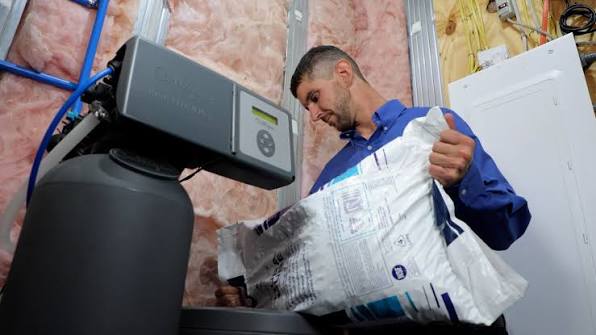
    Water softeners are designed to reduce calcium and magnesium, the minerals responsible for water hardness. They can help limit scale, improve soap performance, and protect water heaters and appliances. The correct size depends on water hardness, household usage, and regeneration requirements.

    Reverse Osmosis Systems

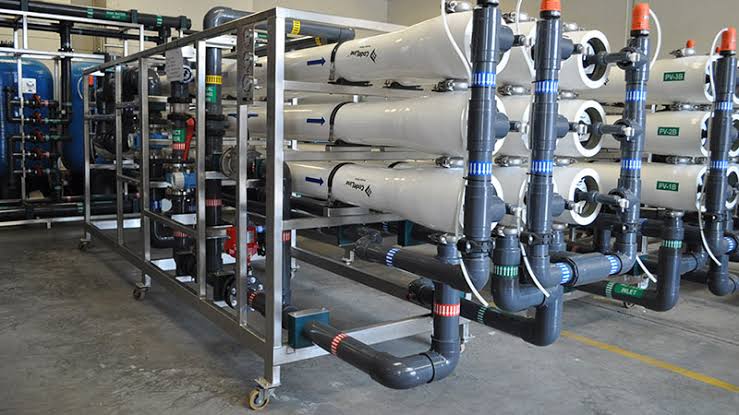
    Reverse osmosis systems use a membrane to reduce many dissolved substances. They are often installed under the kitchen sink to provide treated water for drinking and cooking. These systems usually require pre-filters and regular membrane replacement to maintain performance.

    Ultraviolet Disinfection

    UV systems use ultraviolet light to inactivate many microorganisms. They may be suitable for private wells or other water sources where microbial contamination is a concern. UV does not remove sediment, hardness, or chemicals, so it generally needs to be combined with other treatment stages.

    Why Professional Installation Makes a Difference

    Water treatment equipment must work with the property’s plumbing, pressure, flow rate, and drainage setup. Even a high-quality system can perform poorly if it is incorrectly sized or installed.

    Professional water system services can include water testing, equipment recommendations, installation, plumbing adjustments, system setup, and performance checks. A qualified provider can help determine whether the home needs point-of-use treatment, whole-house filtration, or a combination of systems.

    For example, a family concerned mainly about drinking-water taste may only need an under-sink carbon or reverse osmosis system. A home experiencing scale in every bathroom and appliance may need a whole-house softener. A property with well-water odors, iron staining, and bacterial concerns may require several treatment stages.

    Professional guidance also helps avoid common mistakes, such as installing a filter with an insufficient flow rate or choosing a softener that is too small for the household. These issues can lead to frequent regeneration, pressure loss, poor performance, and higher operating costs.

    Maintenance Keeps the Water System Effective

    A water treatment system is not a one-time purchase. Filters become saturated, membranes wear out, UV lamps lose effectiveness, and moving components may need inspection. Without routine care, even a reliable system can stop delivering the expected results.

    Homeowners should follow the manufacturer’s recommended replacement schedule. Filter cartridges may need changing every few months, while other components may last longer depending on water quality and usage. A household with heavy sediment or high contaminant levels may need more frequent maintenance.

    It is also wise to watch for warning signs. Reduced water pressure, unusual noises, leaks, changes in taste, or a return of unpleasant odors may indicate that the system needs attention. Waiting until the equipment fails completely can create unnecessary expense and inconvenience.

    The Value of Ongoing Assistance

    Water conditions can change, and household needs can change with them. A new family member, home renovation, increased water usage, or a change in the water source may affect the way a treatment system should operate.

    Reliable ongoing support gives homeowners access to advice when questions arise. This may include maintenance reminders, replacement filters, troubleshooting, periodic water testing, and professional servicing. Having someone familiar with the system can make it easier to resolve problems before they become major repairs.

    Support is particularly useful for more advanced systems. Homeowners may not always know whether a pressure change is caused by a clogged filter, a plumbing issue, or a malfunctioning control valve. Professional assistance can help identify the cause rather than relying on guesswork.

    Making a Smart Long-Term Choice

    Price is important, but it should not be the only factor when selecting water treatment equipment. Homeowners should consider installation costs, replacement parts, energy or salt consumption, wastewater production, service requirements, and warranty coverage.

    A low-cost system may seem attractive initially but become expensive if filters are difficult to find or maintenance is complicated. Likewise, a system that is too large for the home may waste resources without offering meaningful benefits.

    The best choice is usually a system that matches the water problem, household demand, available space, and maintenance budget. Ask clear questions before installation: What does the system remove? What does it not remove? How often do parts need replacing? What happens if the equipment stops working?

    Final Thoughts

    Better water quality begins with attention rather than guesswork. Testing helps identify the actual issue, while properly selected treatment equipment can improve water taste, reduce mineral buildup, protect appliances, and address specific contaminants.

    The process doesn’t end after installation. Regular maintenance, timely repairs, and dependable support are essential for keeping a water system working as intended. With the right combination of testing, professional service, and long-term care, homeowners can enjoy cleaner, more reliable water and greater confidence in one of the most important resources in the home.

  • How Modern Plumbing Services Make Home Repairs Easier

    How Modern Plumbing Services Make Home Repairs Easier

    Plumbing problems rarely appear at a convenient time. A leaking pipe may show up just before guests arrive, a water heater might stop working on a cold morning, or a slow drain can suddenly become a complete blockage. In these moments, homeowners need more than a quick fix. They need a plumbing company that can identify the real problem, explain the available options, and complete the work without creating additional stress.

    Modern plumbing services have changed considerably over the years. Today, professional plumbers use improved diagnostic equipment, more efficient repair methods, and better communication practices to handle everything from everyday leaks to complex sewer and gas line issues. Still, technology alone is not enough. The quality of service depends on how well the tools, experience, and customer care come together.

    Why Modern Plumbing Technology Matters

    Traditional plumbing methods still have their place, but many repairs can now be completed with less guesswork and less disruption to the property. Cutting-edge technology allows technicians to investigate problems that may not be visible from the surface.

    For example, sewer camera inspections can reveal cracks, root intrusion, blockages, collapsed sections, and misaligned pipes without requiring immediate excavation. Instead of digging across a yard to find the source of a problem, a technician can guide a small camera through the line and examine the interior.

    Electronic leak detection is another useful development. Some systems can help locate hidden water leaks behind walls, beneath floors, or under concrete. This can reduce unnecessary demolition and make repairs more targeted. Thermal imaging may also help identify unusual temperature patterns linked to leaks or water movement.

    These tools do not replace professional judgment. They support it. A skilled plumber still needs to interpret the results, understand the building’s layout, and recommend a practical solution.

    Faster Diagnosis Means Better Decisions

    One of the most frustrating parts of a plumbing problem is not knowing what is wrong. A homeowner may notice a wet patch on the wall, but the actual leak could be several feet away. A drain may keep backing up even after repeated cleaning because the underlying pipe is cracked or damaged.

    Accurate diagnosis helps prevent temporary solutions from becoming a cycle. If a sewer line is blocked by roots, cleaning may restore flow for a while. But if the pipe is broken, the problem will likely return. Similarly, replacing a faucet may not solve low water pressure if the issue is caused by a damaged supply line or a larger plumbing restriction.

    Professional technicians should use inspections, testing, and experience to identify the cause before recommending major work. This approach can save money over time and helps homeowners understand what they are actually paying for.

    A good plumbing company will explain the findings in everyday language. Customers shouldn’t have to understand every technical term to make an informed decision about their own home.

    Services That Go Beyond Basic Repairs

    Plumbing companies today often provide a wide range of services designed to support the entire water and gas system. Depending on the provider, these services may include:

    • Emergency leak repair
    • Drain cleaning and hydro jetting
    • Sewer camera inspections
    • Sewer line repair and replacement
    • Water heater installation and maintenance
    • Gas line inspection and repair
    • Water filtration and softening systems
    • Sump pump installation
    • Backflow prevention
    • Fixture replacement
    • Commercial plumbing solutions

    This broader service range can be useful because plumbing problems are often connected. A water heater may be affected by sediment buildup or pressure issues. A recurring drain blockage may point to a damaged sewer line. A water-quality concern may require both testing and the right treatment equipment.

    Rather than treating each symptom separately, a full-service plumbing company can assess the larger system and help homeowners plan repairs more effectively.

    The Importance of Customer Communication

    Technical skill is only one part of a good plumbing experience. Communication matters just as much, particularly when repairs are expensive or disruptive. Homeowners want to know when the technician will arrive, what the work involves, how long it may take, and what the expected cost will be.

    A company’s commitment to customer satisfaction should be visible in its daily practices, not just in its advertising. This means returning calls, arriving within the agreed time frame, protecting floors and furniture, and explaining any changes to the original estimate.

    Unexpected issues can happen during plumbing work. A technician may open a wall and discover older damage, or a sewer inspection may reveal that cleaning will not solve the problem. In those situations, the customer should receive a clear explanation and an opportunity to approve the next step.

    Respectful communication makes difficult repairs easier to manage. Even when the work takes longer or costs more than expected, customers are more likely to feel comfortable when they understand why.

    Transparent Pricing Helps Build Trust

    Plumbing estimates can vary depending on the type of repair, materials required, accessibility, labor, and local regulations. A professional company should be willing to explain how its pricing works.

    Before work begins, ask whether the estimate includes labor, replacement parts, disposal, permits, testing, cleanup, and restoration. Also ask whether emergency or after-hours charges apply. These details can prevent confusion when the final invoice arrives.

    A low initial quote is not always the best value. Some companies advertise a small service fee and then add unexpected charges once the technician is on-site. A more reliable provider will explain the pricing structure and request approval before completing additional work.

    Written estimates are particularly important for larger projects such as sewer replacement, water heater installation, repiping, or gas line work. The more detailed the proposal, the easier it is to compare options and understand the scope of the job.

    Guarantees and Warranties: Read the Details

    A satisfaction guarantee can provide peace of mind, but homeowners should understand what it actually covers. A company may advertise a 100% satisfaction guarantee, but the terms can differ significantly between providers.

    Ask whether the guarantee applies to workmanship, parts, service quality, or the final result. Find out how long it lasts and what customers must do if they are unhappy with the work. Some warranties cover labor for a specific period, while manufacturer warranties may apply separately to equipment or replacement components.

    A trustworthy company should explain its guarantee without making unrealistic promises. No contractor can control every factor, especially when existing plumbing is old or hidden damage is discovered. Still, a clear warranty shows that the company is willing to stand behind its work.

    Preventive Maintenance Can Reduce Emergencies

    Modern plumbing services are not only about fixing failures. Preventive maintenance can help homeowners identify problems before they become urgent. Routine water heater inspections, drain assessments, gas line checks, and sewer camera inspections may be useful for older properties or homes with recurring issues.

    Simple household habits also make a difference. Avoid flushing unsuitable materials, never pour grease down the drain, repair dripping fixtures, and keep access points clear. Homeowners should also know where the main water shutoff valve is located. In an emergency, turning off the water quickly can limit property damage.

    Gas-related concerns require extra caution. If you smell gas, hear hissing near a gas line, or suspect a leak, leave the property immediately and contact the gas utility or emergency services from a safe location. Do not attempt a DIY repair.

    Choosing a Plumbing Company for the Long Term

    The right plumbing company should combine practical experience, modern equipment, clear pricing, and dependable customer service. Look for proper licensing, insurance, relevant qualifications, and a history of completing similar work. Reviews and personal recommendations can also help you understand how a company treats its customers.

    Technology can make diagnosis faster and repairs more precise, but professionalism remains the foundation of good service. A company that listens carefully, explains its recommendations, respects your property, and stands behind its work is more valuable than one that simply promises a fast solution.

    Plumbing is a long-term part of a home’s safety and comfort. Choosing a reliable professional before a crisis occurs can make future repairs less stressful. With the right combination of knowledge, tools, and honest service, even complicated plumbing problems become easier to understand—and much easier to manage.

  • Why Local Expertise and Genuine Service Still Matter When Choosing a Contractor

    Why Local Expertise and Genuine Service Still Matter When Choosing a Contractor

    Finding someone to repair, maintain, or improve your property sounds simple enough. Open your phone, search for a service, compare a few names, and make a call. Yet anyone who has ever dealt with a rushed repair or an unreliable contractor knows that choosing the right professional can be surprisingly difficult.

    The difference often isn’t visible in an advertisement.

    Two companies may offer similar services, use similar equipment, and even quote similar prices. What separates a genuinely dependable contractor is often the less obvious stuff: communication, experience, attention to detail, and an understanding of the community they serve.

    For homeowners and businesses, local knowledge and expertise can be especially valuable. A professional who regularly works in the area is more likely to understand the types of properties, common maintenance concerns, local conditions, and practical challenges that can affect a project.

    That familiarity doesn’t replace technical qualifications, of course. But when solid skills are combined with real local experience, the whole process tends to become a lot smoother.

    Experience Means More Than Years on a Website

    Most service businesses talk about experience. The word appears everywhere.

    But genuine experience is more than a number printed on a homepage.

    A skilled professional has usually encountered situations that don’t appear in a textbook. Maybe an older property has an unusual installation. Perhaps a previous repair was done incorrectly. Or maybe the original problem isn’t actually where it first appeared.

    That’s where practical experience matters.

    Someone who has worked on many different properties learns to ask better questions and spot clues that might otherwise be missed. They don’t simply rush toward the most obvious solution.

    For customers, this can mean fewer unnecessary repairs and a clearer understanding of what actually needs to be done.

    Local Conditions Can Change the Equation

    Every area has its own quirks.

    Weather, building styles, property age, seasonal demand, and local construction practices can all influence maintenance and repair work.

    A contractor who regularly serves a particular region becomes familiar with these patterns over time. They know what problems tend to appear repeatedly and which solutions are likely to hold up under local conditions.

    That’s one reason choosing someone based purely on a generic online rating isn’t always enough.

    Reviews can tell you about another customer’s experience, but they don’t necessarily tell you whether the contractor understands your particular type of property or project.

    A local track record adds another layer of confidence.

    Communication Shouldn’t Feel Like Hard Work

    Nobody expects a contractor to become their best friend. But customers should be able to get a straight answer.

    What needs to be repaired? Why does it need repairing? How long will it take? What could affect the final cost?

    These aren’t unreasonable questions.

    Good communication is particularly important when a job becomes more complicated than expected. Sometimes a technician discovers a hidden issue after work has started. That’s part of dealing with real buildings; surprises happen.

    The problem isn’t necessarily the surprise. The problem is when the customer finds out about it after the invoice arrives.

    A professional who communicates clearly can explain the situation, discuss options, and let the customer make an informed decision.

    Customer Service Is Part of the Work

    Technical ability is essential, but it isn’t the entire experience.

    A contractor can do excellent work and still leave customers frustrated if calls aren’t returned, appointments are constantly missed, or explanations are delivered in confusing technical language.

    That’s why customer-centric service matters.

    Being customer-focused doesn’t mean saying yes to everything. Sometimes the honest answer is that a particular repair isn’t worthwhile, or that a different solution would make more sense financially.

    The important part is how that information is delivered.

    Customers appreciate professionals who listen first, explain clearly, and respect the fact that they’re spending their own money. It’s a simple idea, really, but it can get lost when businesses become too focused on getting through the day’s schedule.

    Pricing Should Be Clear From the Beginning

    Nobody likes an unexpected bill.

    A good estimate should make it reasonably clear what work is included and what circumstances might cause the price to change. For larger projects, written details are especially useful.

    Of course, no contractor can predict every hidden problem before opening a wall or inspecting equipment. A responsible business shouldn’t pretend otherwise.

    Instead, customers should be told what is known, what is uncertain, and what additional work might become necessary.

    Be cautious of quotes that seem dramatically cheaper than everyone else without a clear explanation. Saving money is great. Paying twice because the first job wasn’t done properly is not.

    Quality Work Is Usually About the Details

    The finished result should do more than look good on the day the contractor leaves.

    Materials need to be suitable. Components should be installed correctly. Work should follow applicable standards and safety requirements. Areas affected by the project should be left in reasonable condition.

    Small details can reveal a lot.

    Does the technician protect flooring before beginning work? Do they clean up afterward? Do they test what they’ve repaired? Do they explain any maintenance the customer should know about?

    None of these things are particularly glamorous. Yet they’re often what separates careful workmanship from a rushed job.

    Businesses Need Reliable Service Too

    Local service isn’t only important for homeowners.

    A business dealing with a maintenance problem may have employees waiting, customers arriving, equipment sitting idle, or operations temporarily interrupted.

    For commercial customers, response time and communication can therefore become extremely important.

    A contractor who understands business environments should appreciate that timing matters. Work may need to happen outside normal operating hours, or the project may need to be completed in stages to minimise disruption.

    The ability to adapt without compromising quality is a valuable part of professional service.

    Technology Helps, But People Still Matter

    Online booking, digital estimates, automated reminders, and customer portals have made service businesses more convenient.

    That’s a good thing.

    But technology shouldn’t replace human communication.

    A customer with an unusual problem may need to speak to someone. A complicated project may require an on-site conversation. A business owner may have concerns that can’t be reduced to a checkbox on a booking form.

    The best companies tend to use technology to make communication easier rather than using it as an excuse to avoid communication altogether.

    Don’t Choose a Contractor in a Hurry

    When something breaks, urgency can make people choose the first available option.

    Sometimes that’s unavoidable.

    But when possible, take a few minutes to check qualifications, reviews, experience, insurance where relevant, and the company’s reputation. Ask friends, neighbours, or other local businesses who they’ve used.

    Personal recommendations can be particularly helpful because people tend to remember both excellent and terrible service.

    And if you’re planning a major project, get more than one opinion. Comparing approaches can reveal important differences that aren’t obvious from the price alone.

    Trust Is Built One Job at a Time

    A contractor doesn’t earn trust by putting the word “trusted” on a van.

    They earn it by doing what they said they’d do.

    They show up. They communicate. They explain problems honestly. They don’t disappear halfway through a project. They stand behind reasonable workmanship.

    Over time, those ordinary actions create lasting relationships between service businesses and the people they serve.

    That’s valuable for everyone. Customers know who to call when something goes wrong, while businesses build a reputation based on actual experiences rather than advertising promises.

    The Local Advantage Is About More Than Location

    Choosing a local contractor isn’t simply about finding someone who happens to have a nearby office.

    It’s about finding a professional who understands the area, respects the people who live and work there, and has a reputation that matters beyond one transaction.

    Technical skills will always be important. So will fair pricing and quality materials. But the human side of service shouldn’t be overlooked.

    When a contractor combines practical experience with honest communication and genuine care for customers, the difference is noticeable.

    In the end, people aren’t just hiring someone to fix a problem. They’re trusting that person with their property, their time, and their money.

    That trust is worth earning—and worth protecting.

  • The Soundtrack That Grows Alongside Your Life

    The Soundtrack That Grows Alongside Your Life

    Music possesses an uncanny ability to become a part of us without any request. Music becomes a part of our lives at some point in time and stays with us forever. We recall our childhood memories from one song, we feel excited remembering our memorable journey from another song, and we find consolation in a tune after a tiring day.

    Music is with us throughout our lives since it becomes a part of our experiences, feelings, and people. It transforms according to our life and still reminds us about who we are.

    Every Life Has Its Own Soundtrack

    Consider your life, which can be divided into chapters. You might have songs that remind you of your schooling years, of friendship, celebration, adventure, or lonely nights. Some songs might remind you of a certain person, Nagpur call girls, or a shared memory, while some may instantly take you to a certain place.

    It is for this reason that music stays so personal in nature. Your playlist is not just an array of tunes. It can be used to mark your timeline of experience. The songs that you were fond of from many years back will continue making you smile even when your taste in music has totally changed.

    Music Meets You Where You Are

    The beauty of music is its versatility when it comes to various emotions. While feeling energetic, you will require some sort of music that would make you move your feet. However, when you feel the need to take it slow, you can listen to some soft music, which Jaipur call girls may enjoy while relaxing or unwinding.

    During emotional moments, certain songs may help you express your hard-to-express emotions. Music exists with you because it doesn’t force you to feel the same each day. Some days you choose music, while other days music chooses you.

    The Songs that Become Memories

    A song could be forever linked to the experience through just one significant encounter. It could be that the song was on in a long road trip among friends. It could have been at a family celebration or when you achieved something significant.

    Years down the line, when you hear the first chords, you remember it all. That shows how music sticks around even after the initial experience is long gone. The song hasn’t changed, but your life has, and the feeling still lingers.

    Music Through Childhood and Beyond

    The association between music and us is often formed when we are very young. We encounter music from our homes, schools, parties, and other social events, and gradually incorporate the music into our worldview. Then, as we mature, we start forming individual preferences and finding music that corresponds to our personality traits.

    During the teenage years, one might be exposed to various genres and musicians. In adult life, people can have other preferences depending on their job, relationships, travels, and so forth. For instance, Kolkata escorts may develop unique musical preferences influenced by their experiences and surroundings. All these stages come with music, which is always changing and developing its meaning for us. A tune that was associated with joy in one moment may become nostalgic in another period of our life. Some piece of music that we used to take for granted becomes significant for us only after some life event.

    Music Makes Ordinary Days Feel Different

    The memorable moments with music do not necessarily come at important times. They come when one is preparing meals, strolling in the neighborhood that one knows, cleaning the house, or going to work.

    Music can make one’s favorite songs make an ordinary activity more enjoyable. Music changes the mood of the environment. This is yet another reason why music goes around with you. It does not have to be a special time for it to be meaningful.

    Conclusion:

    Music is with you because it becomes an intrinsic part of your daily life. It brings along childhood memories into adulthood; it makes moments memorable and gives expression to feelings. The way you listen to music is unique to your own taste and no one else’s.

    Listen to what touches you; discover music that intrigues you and revisit the music that reminds you of yourself. Allow your playlists to evolve as your life evolves. Since some music is not only something you hear but also something you live through, it sticks around throughout your life’s different stages, gently reminding you that you have lived, loved, changed, and evolved.

  • When Business Agreements Go Wrong: Understanding Contracts, Bankruptcy, and Insurance

    When Business Agreements Go Wrong: Understanding Contracts, Bankruptcy, and Insurance

    Business relationships usually begin with optimism. Two companies sign an agreement, a supplier promises to deliver, a customer agrees to pay, and everyone gets back to work. Most of the time, that’s exactly how things should go.

    But business relationships can change quickly. A shipment may never arrive. A payment might be withheld. A project can run over budget, or a company may suddenly struggle to stay afloat. When that happens, legal and financial questions start piling up.

    Understanding issues such as breach of contract, bankruptcy, and insurance can help business owners recognize potential problems earlier. These areas can overlap, but they aren’t interchangeable. Each has its own rules, evidence, and consequences.

    What Happens When a Contract Is Broken?

    A contract is essentially a promise backed by legally enforceable obligations. When one party doesn’t perform as agreed, a dispute may arise.

    A breach of contract can take many forms. A company might fail to deliver goods, provide services below the agreed standard, miss a required deadline, or refuse to make a payment.

    Not every disagreement automatically becomes a serious legal claim, though.

    The wording of the agreement matters. So does the reason for the failure. Some contracts contain provisions addressing delays, unexpected events, notice requirements, or opportunities to correct a problem.

    That’s why the first step is often surprisingly basic: read the contract carefully.

    Emails, invoices, change orders, meeting notes, and other communications may also matter. Sometimes the written agreement tells only part of the story, especially when the parties modified their arrangement during the project.

    Documenting a Contract Dispute

    Good documentation can make a complicated disagreement much easier to understand.

    Business owners should preserve signed agreements, amendments, purchase orders, invoices, payment records, correspondence, project schedules, and relevant photographs or inspection reports.

    A simple timeline can be useful too.

    Write down when the agreement was signed, when performance was expected, what went wrong, when the problem was reported, and how the other party responded.

    This isn’t glamorous work, but it can be incredibly helpful later.

    Memory becomes less reliable as months pass. Emails and contemporaneous records can provide a much clearer picture of what actually happened.

    Understanding the Financial Consequences

    A contract dispute isn’t always about the original payment.

    Depending on the circumstances, a party may claim additional financial losses resulting from the alleged failure to perform. For example, a delayed delivery could cause production interruptions, missed customer orders, or additional expenses.

    But claiming a loss and proving a loss are two different things.

    Financial records may be needed to demonstrate what was actually lost and whether the claimed amount was reasonably connected to the contractual problem.

    This is one reason accountants, financial professionals, or other experts may become involved in larger commercial disputes.

    When Bankruptcy Enters the Picture

    Sometimes a business dispute becomes more complicated because one of the parties can’t pay its debts.

    Bankruptcy is a formal legal process designed to address financial distress. Depending on the circumstances and applicable law, it may involve restructuring debts, liquidating assets, or establishing a process for creditors to make claims.

    For a business owner, bankruptcy can be an extremely serious decision. It may affect contracts, employees, lenders, suppliers, customers, and ongoing operations.

    It’s also important to understand that bankruptcy doesn’t necessarily make every obligation disappear.

    The treatment of a particular debt or contract can depend on the applicable bankruptcy rules, the type of obligation, and the circumstances surrounding it.

    Because these issues can become complicated quickly, businesses facing serious financial distress should seek qualified legal and financial advice rather than relying on assumptions.

    Contracts and Financial Distress Can Collide

    Imagine a company that has signed a long-term supply agreement but suddenly loses its largest customer.

    The company may still owe money to suppliers while struggling to generate revenue. At the same time, customers may be demanding refunds or trying to enforce contractual commitments.

    Now several issues exist at once.

    Is the company in breach? Can it continue performing? What happens to outstanding invoices? Does financial distress affect the contract? What rights do creditors have?

    There isn’t one universal answer.

    The specific agreement, applicable law, financial circumstances, and timing can all matter.

    Where Insurance Fits In

    Insurance can provide another layer of protection when something goes wrong, but coverage depends heavily on the policy.

    Businesses may carry general liability insurance, professional liability coverage, property insurance, workers’ compensation, business interruption coverage, cyber insurance, or other specialized policies.

    Having insurance doesn’t automatically mean every business loss will be covered.

    Policy language matters. So do exclusions, deductibles, coverage limits, notification requirements, and the circumstances that triggered the claim.

    For example, a business interruption policy may respond differently depending on why the interruption occurred and what the policy actually covers.

    That’s why business owners should understand their policies before an emergency happens—not while everything is already on fire, figuratively or otherwise.

    Reporting Claims Promptly

    Many insurance policies include requirements for notifying the insurer about potential claims.

    Waiting too long can create unnecessary complications.

    If an incident occurs that could potentially involve coverage, the business should review the relevant policy and follow its reporting requirements. Keep copies of correspondence and document the underlying event carefully.

    This doesn’t mean every incident will result in a covered claim. It simply means the business is taking reasonable steps to preserve its options.

    Avoiding Common Business Mistakes

    A few habits can prevent many headaches.

    First, don’t rely on verbal agreements for important business arrangements when a written agreement is practical.

    Second, don’t ignore warning signs. Repeated late payments, unexplained delays, deteriorating financial records, or constant contract changes may indicate deeper problems.

    Third, review insurance coverage periodically. A policy that made sense when the business was small may not provide adequate protection after significant growth.

    And finally, keep records organized.

    It sounds boring. It is. But when a dispute appears, organized records can be worth their weight in gold.

    Getting Professional Help Early

    Businesses sometimes wait too long before asking for professional advice.

    An attorney may be able to identify contractual issues before a disagreement becomes a lawsuit. An accountant can help evaluate financial exposure. An insurance professional can explain policy coverage and exclusions.

    When financial distress becomes serious, specialized bankruptcy advice may also be necessary.

    Early guidance doesn’t guarantee a particular outcome, but it can help a business understand its choices while there are still choices available.

    Looking at the Bigger Picture

    Contract disputes, financial distress, and insurance claims can feel like completely separate problems. In reality, they often overlap.

    A failed contract can create financial pressure. Financial pressure can affect the ability to meet other obligations. An insurance policy may cover some losses but exclude others.

    The important thing is to avoid treating these situations as isolated events.

    Read the contracts. Preserve the evidence. Understand the financial impact. Review the insurance policies. And when the situation becomes complicated, get appropriate professional advice before making major decisions.

    Business problems rarely arrive with a neat label attached. They tend to come all at once, usually at the worst possible time. A little preparation—and a clear understanding of the legal and financial landscape—can make those moments considerably easier to navigate.

  • When It’s Time to Move On From an Aging Air Conditioning System

    When It’s Time to Move On From an Aging Air Conditioning System

    There’s a certain point when an air conditioner stops being a dependable part of the home and starts becoming something you worry about. Maybe it still cools the house, but it takes longer than it used to. Maybe the energy bills keep creeping upward, or the repair technician seems to know your address a little too well.

    An aging unit doesn’t necessarily need to be replaced immediately. Plenty of older systems keep working with proper care. But eventually, repairs, efficiency, comfort, and reliability have to be considered together. And sometimes, holding onto an old system simply because it still runs isn’t the smartest financial decision.

    The Signs Your AC Is Getting Older

    Air conditioners don’t usually come with a clear expiration date. Instead, they tend to show their age gradually.

    You may notice rooms becoming harder to cool, strange noises coming from the equipment, frequent cycling, weak airflow, or temperatures that never quite feel consistent. None of these symptoms automatically means replacement is necessary, but several problems happening together deserve attention.

    Energy bills can also tell an interesting story. If your cooling habits haven’t changed much but operating costs continue to rise, the equipment may be losing efficiency.

    That’s particularly important when the system is already several years into its service life.

    Repairs Can Become a Bigger Part of the Equation

    A single repair isn’t necessarily a reason to replace an air conditioner. Things break. That’s normal.

    The problem comes when repairs start happening repeatedly.

    If you’re replacing one component this year, another next summer, and something else shortly after that, the total cost can quietly add up. More importantly, you may still be dealing with an older system that’s less efficient than today’s equipment.

    At some point, it makes sense to step back and ask whether you’re spending money to extend the life of a system that may already be nearing the end of its useful service.

    When a Modern Solution Makes Sense

    Today’s equipment offers homeowners options that weren’t always available with older systems. A modern solution may provide improved efficiency, better temperature control, quieter operation, and newer thermostat technology.

    That doesn’t mean newer is automatically better in every situation. A replacement needs to be properly sized and installed to deliver the benefits you’re paying for.

    The best system on paper can still perform poorly if it’s oversized, undersized, installed incorrectly, or connected to ductwork that’s leaking conditioned air.

    Replacement should be about finding the right solution, not simply buying the newest model.

    Efficiency Matters Over the Long Run

    An air conditioner is an investment you’ll continue paying for through your energy bills.

    Older systems can become less efficient as components wear and performance declines. Even if the unit is technically operating, it may require more electricity to provide the same amount of cooling.

    A newer high-efficiency system can potentially reduce operating costs, particularly when the old equipment has become noticeably inefficient.

    Before making a decision, though, consider the complete picture. Installation costs, expected lifespan, maintenance requirements, efficiency, and local energy rates all matter.

    Sometimes the cheapest purchase price isn’t the cheapest choice over ten years.

    Don’t Forget About Proper Sizing

    Replacing an old AC isn’t as simple as matching the size of the previous unit.

    A professional should evaluate the home and determine the appropriate cooling capacity. Factors such as square footage, insulation, windows, sun exposure, ductwork, and local climate can influence the calculation.

    An oversized system may cool a space quickly but cycle too frequently. An undersized unit may run constantly while struggling to maintain the desired temperature.

    Neither situation is ideal.

    Proper sizing helps the equipment operate more consistently and can contribute to better efficiency and comfort.

    Installation Quality Makes a Difference

    Homeowners sometimes focus heavily on choosing the equipment and forget about the installation itself.

    That’s a mistake.

    Even among the best units on the market, performance can suffer if installation isn’t handled properly. Refrigerant lines, electrical connections, drainage, airflow, ductwork, and equipment placement all need attention.

    A professional installation gives the new system a much better starting point.

    It’s also worth asking questions before the work begins. Find out what will be replaced, whether ductwork will be inspected, how the old equipment will be removed, and what maintenance the new system requires.

    You don’t have to understand every technical detail. You just need to know what you’re paying for.

    Your Ductwork Could Be Part of the Problem

    If you’re replacing an air conditioner because certain rooms never seem cool enough, don’t automatically blame the equipment.

    Ductwork can have a major impact on indoor comfort. Leaks, poor connections, insulation problems, and restricted airflow can cause conditioned air to escape before it reaches the room.

    Installing a brand-new AC without addressing significant duct problems may leave you disappointed.

    A professional evaluation can help determine whether the duct system needs sealing, modification, or other improvements.

    Maintenance Still Matters After Replacement

    A new air conditioner doesn’t mean maintenance suddenly becomes unnecessary.

    Filters still need attention. Outdoor equipment should remain clear of debris. Coils and drainage systems need appropriate care, and professional inspections can help identify developing problems.

    Regular maintenance can also help you get more useful years from your investment.

    Think of it this way: replacing your AC is a fresh start, not a free pass to forget about it.

    Should You Repair or Replace?

    There’s no single answer that works for every homeowner.

    If your existing system is relatively young, reliable, and only needs an occasional minor repair, keeping it may make perfect sense.

    If it’s old, inefficient, frequently breaking down, and becoming expensive to maintain, replacement deserves serious consideration.

    Look at the numbers. Compare the cost of the current repair with potential replacement costs. Consider how long you expect to stay in the property and whether lower operating costs could make a newer system worthwhile.

    A qualified HVAC professional can help you make that comparison without turning the conversation into a sales pitch.

    Make the Decision Before the Emergency

    One of the biggest advantages of replacing an aging system before it completely fails is having time.

    You can compare equipment, research contractors, ask questions, and schedule installation when it suits you. You’re not standing in a hot living room desperately waiting for someone to fix a system that has finally given up.

    That’s a much better position to be in.

    Your air conditioner doesn’t have to be brand-new to be reliable. But when repairs become frequent and efficiency continues to decline, it’s worth looking beyond the next repair bill.

    Sometimes the smartest investment isn’t keeping an old system alive for one more season. It’s choosing a well-sized, properly installed replacement that can provide dependable cooling for years to come.

  • When Cleaner Water Matters: Understanding Reverse Osmosis and Modern Filtration

    When Cleaner Water Matters: Understanding Reverse Osmosis and Modern Filtration

    Water is everywhere in our daily routines, but we tend to notice its quality only when something seems off. Maybe the tap water has a strange taste, the coffee doesn’t taste quite right, or mineral deposits keep appearing on the kitchen faucet. For homes and businesses, these small annoyances can eventually become reasons to look more closely at how water is treated.

    One technology that has become increasingly popular is reverse osmosis. It can provide a high level of filtration for drinking water and a range of other applications. But like any treatment method, it works best when it’s chosen for the right reason and maintained properly.

    What Reverse Osmosis Actually Does

    Reverse osmosis is a filtration process that uses pressure to push water through a semipermeable membrane. The membrane has extremely small pores, allowing water molecules to pass while reducing many dissolved substances and contaminants.

    In simple terms, think of it as a very fine barrier between the water you want and many of the things you don’t.

    Modern reverse osmosis systems are commonly used in homes, offices, restaurants, laboratories, and other settings where improved water quality is important. Depending on the system and membrane, reverse osmosis can reduce various dissolved solids, salts, minerals, and other unwanted substances.

    However, no system removes absolutely everything. That’s why understanding the water source and testing the water beforehand remains important.

    Why Taste Can Be Such a Big Deal

    Water quality isn’t only about what’s technically present in the water. Taste matters too.

    Some people are perfectly happy drinking straight from the tap, while others notice chlorine, mineral flavors, or other characteristics immediately. When water doesn’t taste pleasant, people may reach for bottled drinks instead, which can become expensive and create a surprising amount of plastic waste.

    A properly designed treatment system can improve the taste and overall drinking experience. For many households, the appeal of purified water is simply that it tastes cleaner and feels more enjoyable to drink.

    There’s something nice about filling a glass at home and not having to wonder whether you’ll actually want to finish it.

    Reverse Osmosis Isn’t Just for Kitchens

    Under-sink reverse osmosis systems are probably the most familiar application, but the technology has a much wider range of uses.

    Businesses may use treated water for beverage preparation, food service, equipment, laboratories, or specialized processes. In these settings, water quality can influence everything from the final product to the performance of equipment.

    A coffee shop, for example, may need to balance water treatment carefully. Water that’s too hard can contribute to scale in coffee equipment, while water with certain dissolved substances can affect flavor.

    The right treatment can therefore serve two purposes: improving the water itself and protecting the equipment that relies on it.

    Water Quality Matters in Food Processing

    Water isn’t just something businesses use for drinking. It’s also an important ingredient and processing resource in many industries.

    In food processing, water may be involved in cleaning, cooking, rinsing, ingredient preparation, steam generation, and other steps. Its quality can therefore have a direct relationship with operations and product consistency.

    That doesn’t mean reverse osmosis is automatically required for every food-related business. Treatment requirements depend on the process, source water, applicable standards, and desired outcome.

    Testing is the sensible starting point. Once the characteristics of the water are understood, a treatment professional can determine whether reverse osmosis, carbon filtration, softening, or another technology is appropriate.

    Why Pre-Filtration Can Matter

    Reverse osmosis membranes are highly effective, but they aren’t designed to handle everything without support.

    Many systems use pre-filters before water reaches the membrane. Sediment filtration can help capture particles, while activated carbon may reduce chlorine and certain compounds that could otherwise affect membrane performance.

    This layered approach is important because each stage has a specific job.

    A well-designed system doesn’t simply throw one filter at the problem. Instead, it uses several treatment stages where necessary, allowing each component to work within its intended role.

    It may sound more complicated, but in practice, the process is fairly straightforward when the system is properly designed.

    Don’t Forget About Water Pressure

    Reverse osmosis depends on pressure to push water through the membrane. If incoming pressure is too low, production can slow down and system performance may suffer.

    This is something homeowners occasionally discover only after installation.

    Before choosing equipment, it’s worth checking the available water pressure and considering the household’s demand. Some systems may require additional equipment, such as a booster pump, to operate effectively under certain conditions.

    Storage capacity matters too. A household that uses a lot of treated drinking water may need a larger storage tank or a system designed for higher production.

    Maintenance Is Part of the Process

    A reverse osmosis system isn’t maintenance-free. Filters eventually become exhausted, and the membrane itself has a service life that depends on water quality, usage, and system design.

    Changing filters on schedule helps protect the membrane and maintain water quality. If maintenance is ignored for too long, production may slow down or taste may change.

    It’s a good idea to keep a simple record of filter replacements. You don’t need a complicated spreadsheet. A note on your phone or a reminder on the calendar is usually enough.

    And if the water suddenly tastes different or production drops significantly, don’t just keep using the system and hope it sorts itself out.

    Choosing the Right System for the Job

    Not every reverse osmosis system is built for the same application. Residential systems are designed around household drinking-water needs, while commercial equipment can be much larger and capable of producing significantly more treated water.

    When comparing systems, consider membrane capacity, storage, filtration stages, replacement-part availability, installation requirements, and ongoing maintenance.

    The cheapest option isn’t necessarily the best value. A system with readily available replacement filters and straightforward servicing may be much easier to own over several years.

    It’s also worth asking what the system is actually designed to remove. Marketing language can make treatment equipment sound almost magical, but specific claims should always be connected to the actual technology and water conditions.

    A Practical Approach to Better Water

    Reverse osmosis can be an excellent tool for improving water quality, but it shouldn’t be treated as a universal answer.

    Start with testing. Understand what is in your water and what you actually want to change. From there, consider whether reverse osmosis is appropriate or whether another treatment method—or a combination of methods—would make more sense.

    Good water treatment isn’t about installing the most advanced equipment available. It’s about choosing technology that solves a real problem and then taking care of it properly.

    When the system is correctly matched to the water and maintained as recommended, the result is wonderfully simple: better-tasting water, greater confidence in what you’re drinking, and one less thing to worry about every time you turn on the tap.

  • Understanding the Water Quality Factors That Matter Most in Commercial Ice Production

    Understanding the Water Quality Factors That Matter Most in Commercial Ice Production

    A commercial ice machine can look like a fairly straightforward piece of equipment. Water enters, the machine freezes it, and ice comes out ready for drinks, food displays, or customer service. But behind that simple process, water quality plays a surprisingly important role.

    Restaurants, cafés, hotels, bars, healthcare facilities, and catering businesses may produce hundreds of pounds of ice each day. When a machine is working constantly, even minor water-quality issues can become noticeable. Cloudy ice, strange taste, mineral buildup, slower production, and frequent cleaning are all signs worth investigating.

    The good news is that understanding the water doesn’t have to be complicated. A little testing and the right filtration approach can go a long way.

    Why Incoming Water Matters

    An ice machine doesn’t create ice from nothing. Every cube begins with the water entering the equipment. Whatever is naturally present in that water can potentially affect the machine or the finished product.

    Water quality varies depending on the source and location. Municipal water, private wells, and building plumbing can all have different characteristics. Even within the same city, conditions may differ from one property to another.

    That’s why businesses shouldn’t assume that a filtration system that works for one restaurant will automatically be ideal for another. The starting water matters.

    Understanding Chlorine and Chloramines

    Municipal water is commonly disinfected before reaching customers. Depending on the local water provider, this may involve chlorine, chloramines, or related disinfectants.

    These substances play an important role in maintaining safe public water supplies, but they can sometimes influence taste and odor. Since ice is consumed directly, those characteristics may become noticeable in beverages.

    Chlorine and chloramines can also influence the choice of filtration. Certain carbon-based filters are designed to reduce particular disinfectants, but their effectiveness depends on the filter design and the actual water conditions.

    Testing the water can help determine what is present before a business invests in treatment.

    The Problem With Sediment and Turbidity

    Not everything in water is dissolved. Tiny suspended particles can also travel through a water supply.

    Sediment and turbidity can affect the appearance of water and may create operational concerns for commercial equipment. Sediment can collect in valves, filters, and other components, while increased turbidity may indicate that suspended material is present.

    A sediment filter may help reduce these particles before water reaches the ice machine. However, filter selection matters. Different filters have different micron ratings, flow capacities, and replacement requirements.

    Installing a filter without understanding the type or amount of sediment involved isn’t necessarily the best solution.

    Why Scale-Causing Minerals Matter

    Hard water is another common concern for commercial ice machines. Calcium and magnesium are naturally occurring minerals, but at higher levels they can contribute to deposits inside water-using equipment.

    These scale-causing minerals can build up over time, particularly on surfaces where water repeatedly changes temperature. An ice machine may require more frequent cleaning when mineral deposits become noticeable.

    Scale can also affect certain components and potentially reduce efficiency if it becomes severe.

    This doesn’t mean every business with hard water needs a softener. The level of hardness and the machine’s requirements should be considered before deciding on treatment.

    How Filtration Can Protect the Machine

    Water filtration can serve as an important line of defense between the incoming supply and the ice machine.

    Depending on the water conditions, a business might use sediment filtration, carbon filtration, softening, or another specialized treatment method. Some applications may require more than one stage.

    The key is matching the treatment to the actual issue.

    A carbon filter won’t solve every mineral problem, and a basic sediment filter won’t remove dissolved substances. Knowing what needs to be addressed makes the equipment-selection process much more straightforward.

    Ice Quality Is More Than Appearance

    Customers may not know anything about water chemistry, but they notice when something doesn’t taste right.

    Ice can absorb or carry certain taste and odor characteristics from the water used to make it. If the finished cubes have an unusual smell or affect the flavor of a beverage, customers may blame the drink itself.

    Cloudiness can also attract attention, although cloudy ice isn’t automatically a sign of unsafe water. Freezing conditions, air bubbles, minerals, and machine operation can all influence appearance.

    For businesses, consistent ice quality is part of the overall customer experience. It’s one of those small details that can make a difference.

    Testing Before Choosing Equipment

    Water testing is one of the most useful steps a business can take before purchasing filtration equipment.

    A water analysis can provide information about hardness, pH, dissolved solids, disinfectants, sediment, and other characteristics. The exact tests needed depend on the property and its water source.

    The purpose isn’t to chase perfect numbers. It’s to understand whether a genuine treatment need exists.

    This can also prevent unnecessary spending. Instead of purchasing several filters and hoping one works, businesses can choose equipment based on actual results.

    Maintenance Still Makes a Difference

    Even the best filtration system can’t replace proper ice machine maintenance.

    Filters need to be replaced when their capacity is reached. Ice machines should be cleaned and sanitized according to manufacturer recommendations and applicable food-safety requirements.

    Staff should also pay attention to changes in ice production, appearance, taste, or machine noise. A small change may be nothing serious, but it can also be an early clue that something needs attention.

    Keeping a simple maintenance record makes this much easier.

    Choosing a Practical Long-Term Approach

    Commercial water management doesn’t need to become an expensive science project. The goal is fairly simple: understand the water, identify genuine concerns, choose suitable treatment, and maintain everything properly.

    Businesses should consider water testing, filter capacity, replacement costs, flow requirements, installation, and manufacturer recommendations before making a purchase.

    The cheapest system isn’t always the best value, and the most expensive system isn’t automatically necessary.

    A Better Way to Think About Commercial Ice

    Reliable ice production depends on more than the ice machine itself. Water quality is part of the equation from the very beginning.

    By paying attention to disinfectants, suspended particles, mineral content, and regular maintenance, businesses can make more informed decisions about filtration and equipment care.

    There isn’t one perfect solution for every commercial property. What works best is a system built around the actual water conditions and daily demands of the business.

    In the end, good water management is mostly about avoiding guesswork. Test first, treat what genuinely needs treatment, and keep the equipment maintained. It’s a simple approach, but for a busy commercial kitchen, simple and dependable is often exactly what you want.

  • The Beauty Hidden in Everyday Living with Quiet Power

    The Beauty Hidden in Everyday Living with Quiet Power

    A lot of people spend their whole lives hoping for some special moments. They dream about their vacation, important career moment, or celebration, thinking that happiness will happen sometime in the future. However, the truth is much easier and probably much more beautiful. Life does not consist of special moments. It is built of small ordinary things that fill our days silently.

    Sunlight that comes through the window in the morning, a relaxed chat having a cup of coffee, a calm walk in the evening, a dinner table full of joy, and some quiet reading before going to bed might seem unimportant at first glance. But it is those moments that build a real quality lifestyle.

    A Meaningful Lifestyle Is Created Intentionally

    The idea of lifestyle is often misunderstood as being about image. The media uses images of opulent houses, fashionable clothes, luxury travel, and curated lifestyles to define one’s lifestyle. These might seem impressive but do not really define what an enriching lifestyle means. As Chandigarh call girls suggest, an enriching lifestyle cannot be bought; it needs to be made.

    This happens by building habits, making good decisions, having healthy social interactions, holding strong beliefs, and knowing what to give priority to in life. Every decision that we make consciously from morning till evening affects our overall lifestyle. Rather than thinking about, “How can I make my lifestyle look better?”, maybe the important question would be, “How can I make my lifestyle better?” The simple shift changes everything. 

    Morning Sets the Emotional Tone

    Every day is a brand-new opportunity, but a lot of days start hectic, checking messages, and instantly responding to obligations. Now, imagine starting your day differently, drawing open the drapes to let in sunlight, taking some deep breaths before touching any technological devices, eating your breakfast without any interruptions, and organizing your plans in an unhurried manner.

    These small actions can create peace before anything else happens for the day. It will give your mind time to wake up and get ready for anything that comes its way. Experiences shared by Dehradun call girls explain that a peaceful morning does not necessarily ensure a flawless day, but it definitely gives you a solid start to face any surprises.

    Success Should Include Well-being

    Success is often evaluated based on achievements, promotions, earnings, and efficiency within today’s culture. Ambition can be considered as something positive; however, if it leads to failure in terms of health, social relations, and peace of mind, it is pointless to speak about success. A healthy approach to life involves equal consideration of wellbeing along with work and other kinds of success.

    It implies taking breaks, having enough sleep, eating properly, exercising, securing your relaxation periods, and spending time with your relatives. Even though these actions do not seem to have anything in common with efficiency directly, they provide you with all the strength and clarity of thought necessary for your success.

    Your Environment Shapes Your Mindset

    The places where we spend our time have a bigger impact on our moods than we may think. An organized workplace makes us more focused, sunlight lifts up our spirits, the presence of flowers inside creates a feeling of calmness, comfortable furniture makes us feel relaxed, and pictures of special moments inspire us.

    Making an atmosphere around you in which you can easily do your everyday activities does not involve any fancy decorating at all. Rather, it just means that with proper organization, minimalism, and personal details shared by Jammu call girls, you will make the place more harmonious, comfortable, and functional. If you make sure that the environment you live in inspires you, you will have more fun and less stress doing things.

    Let’s Sum Up:

    However, a satisfying way of living is never brought about only through big decisions or great feats. It is a product of the choices that we make every day, on how we take care of ourselves, how we cultivate our connections with other people, how we spend our time, and how we value the seemingly mundane things that slip away from us unnoticed. It comes about through balance, not perfection; through perseverance, not intensity; through appreciation, not constant striving.