Category: Business

  • Why Tailored Waste Management Makes a Difference

    Why Tailored Waste Management Makes a Difference

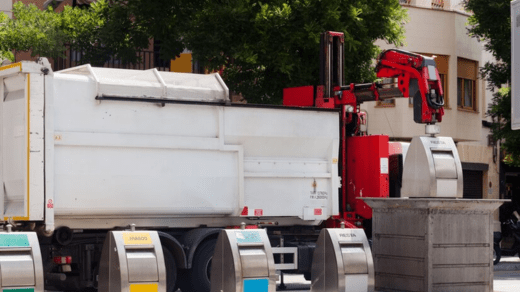
    Every project, business, or household generates waste differently. While some industries handle heavy construction materials, others may deal with smaller-scale waste such as paper or recyclable materials. A one-size-fits-all approach to waste management overlooks these differences, leading to inefficiencies. Tailoring waste management services to fit specific needs ensures that resources are allocated effectively and disposal processes are optimized. This approach not only saves time and money but also supports environmentally friendly practices. Tailored waste management is an essential step to streamline operations and achieve sustainable goals.

    Benefits of Personalized Dumpster Rentals

    Selecting personalized dumpster rental services designed to accommodate unique project requirements is an efficient solution. Services offering dumpster lease ensure that you receive containers in the right size and type for your specific waste volume. For example, a small landscaping business might only require a compact bin, while a construction site benefits from a larger dumpster capable of holding heavy debris. Personalized options reduce the risk of overpaying for unnecessary capacity or struggling with insufficient space. Additionally, these services often accommodate flexible pickup schedules, further enhancing convenience. Tailored dumpster rentals make projects manageable without added stress.

    Reducing Environmental Impact

    A tailored waste management approach plays a crucial role in reducing the environmental impact of waste disposal. By categorizing and segregating waste materials from the start, businesses and households make recycling more efficient. Many tailored services also partner with recycling facilities to ensure materials like paper, metal, and plastics are reused appropriately. This prevents unnecessary landfill contributions and conserves raw resources. Tailored waste solutions also encourage the responsible disposal of hazardous items such as electronics or batteries. Trusting experts ensures adherence to waste disposal regulations, safeguarding both the environment and public health.

    Enhancing Operational Efficiency

    Effective waste management streamlines day-to-day operations for businesses and project managers. Having a system in place that accommodates waste generation patterns allows for smooth waste removal without unnecessary disruptions. For example, restaurants can avoid overflowing bins by scheduling pickups at convenient intervals, keeping their premises clean and functional. Tailored waste management eliminates unpredictability, saving time for employees and reducing manual intervention. By implementing a structured workflow for handling waste, businesses also minimize the risk of delays caused by improper disposal arrangements. A well-organized system ensures projects and operations remain on track.

    Cost-effectiveness in the Long Term

    Effective waste management is not only about convenience; it also supports cost savings over time. Tailored services match unique requirements, reducing waste-related expenses by eliminating inefficiencies such as unnecessary pickups or excessive container sizes. Customized solutions often come with transparent pricing, allowing businesses to avoid hidden fees. Additionally, correctly segregating materials can lower recycling costs and sometimes even generate revenue. Trusting professional services ensures compliance with regulations, preventing fines or penalties. A thoughtful approach to waste management leads to smarter spending decisions and greater financial predictability.

    Safety and Compliance Benefits

    Safety and legal compliance are critical considerations in any waste management plan. Improper waste disposal poses health risks to workers and the public while potentially attracting regulatory fines. Tailored waste solutions address these concerns by adhering to all relevant guidelines and standards. Professionals understand how to handle hazardous waste, preventing harm and ensuring safe removal. For construction or demolition projects, for example, specialized disposal solutions eliminate dangers associated with sharp debris or toxic materials. Tailored systems guarantee that projects remain compliant and prioritize health and safety at every stage.

    Conclusion

    Opting for tailored waste management services starts with identifying the specific needs of your project, business, or household. Begin by assessing the types and volumes of waste you regularly generate and the frequency of removal required. Collaborating with experienced providers ensures that your requirements are met precisely, whether you need a recurring pickup plan or a one-time arrangement. Taking advantage of professional expertise streamlines the process while saving time and resources. Investing in a tailored system aligns waste disposal practices with long-term sustainability and financial goals. 

  • Navigating Loan Modification Programs: Your Path to Financial Relief

    Navigating Loan Modification Programs: Your Path to Financial Relief

    Financial hardship can often make it difficult to meet monthly mortgage payments, leaving homeowners feeling uncertain about their future. Fortunately, loan modification programs offer a potential solution to help reduce monthly payments, extend loan terms, or even lower interest rates. In this article, we explore how loan modification programs work and how they can provide essential financial relief during tough times.

    What is a Loan Modification?

    A loan modification is a permanent change made to the terms of an existing loan. Typically, these programs are designed to make the loan more affordable for homeowners who are struggling to make their payments due to financial difficulties, such as job loss, medical emergencies, or unforeseen expenses. Unlike refinancing, loan modification programs do not require a new loan but instead adjust the current loan’s terms to ease the borrower’s financial burden.

    How Do Loan Modification Programs Work?

    Loan modification programs work by changing the terms of your mortgage agreement. The primary aim is to make your monthly payments more manageable by lowering the interest rate, reducing the principal balance, extending the loan term, or a combination of these adjustments. Here are a few common modifications that homeowners may receive:

    • Interest Rate Reduction: This lowers the amount you owe in interest each month, thus reducing your monthly payments.
    • Principal Forbearance: The lender may agree to defer a portion of the principal balance to a later date, lowering the current payment amount.
    • Loan Term Extension: Extending the length of your loan reduces your monthly payments by spreading the remaining balance over a longer period.
    • Principal Reduction: In some cases, lenders may agree to reduce the principal balance owed, though this is less common and often reserved for extreme financial hardship.

    Qualifying for Loan Modification Programs

    To qualify for a loan modification, you typically need to demonstrate financial hardship and show that you are unable to afford your current mortgage payments. Lenders often require documentation of income, expenses, and other financial obligations, as well as proof of the hardship you’re facing. Here are a few key factors that may influence your eligibility:

    • Proof of Financial Hardship: This includes showing a loss of income, medical bills, or other significant events that have impacted your ability to pay.
    • Loan Delinquency: Many lenders require homeowners to be behind on payments before considering a loan modification. However, this is not always the case, as some programs allow for modifications even if payments are current.
    • Ability to Pay: Lenders will assess your current financial situation, including income, assets, and expenses, to ensure that the modified loan will be affordable moving forward.

    Types of Loan Modification Programs

    There are various loan modification programs available depending on your lender and the type of loan you have. Some of the most common programs include:

    1. Government-Sponsored Programs: Programs such as the Home Affordable Modification Program (HAMP) were designed to help homeowners who faced financial difficulties during the 2008 financial crisis. Though HAMP ended in 2016, similar programs may be available depending on your situation.
    2. FHA and VA Loan Modifications: If you have a loan insured by the Federal Housing Administration (FHA) or the U.S. Department of Veterans Affairs (VA), there are specific loan modification programs tailored for these types of loans, which can offer more favorable terms.
    3. In-House Loan Modifications: Some lenders offer their own in-house modification programs, which are tailored to the needs of their borrowers. These programs may have more flexible requirements than government programs.

    The Loan Modification Process

    The process of applying for a loan modification can be lengthy and requires careful attention to detail. Here’s a general overview of what to expect:

    1. Contact Your Lender: Reach out to your lender as soon as possible to inquire about available loan modification programs. Be prepared to provide documentation of your financial hardship.
    2. Submit Required Documents: Lenders will typically ask for proof of income, tax returns, a hardship letter, and other financial documents. The more detailed and accurate your submission, the better your chances of approval.
    3. Review of Application: After submission, the lender will review your financial situation and determine if you qualify for a loan modification. This process can take several weeks or longer.
    4. Loan Modification Offer: If approved, the lender will send you an offer with the new terms of your modified loan. Review the offer carefully before accepting.
    5. Trial Period: Some lenders require a trial period where you must make modified payments for a set period, usually 3–6 months, before the modification is finalized.

    Conclusion

    Loan modification programs can provide significant relief for homeowners struggling to keep up with their mortgage payments. Whether through lower interest rates, extended loan terms, or principal reductions, these programs can help you regain control of your financial situation. However, it’s important to understand that approval is not guaranteed, and the process can be time-consuming. By staying proactive and working closely with your lender, you can increase your chances of securing a loan modification that offers much-needed financial stability.

  • The Difference Between Cross-Country Car Shipping and Local Shipping

    The Difference Between Cross-Country Car Shipping and Local Shipping

    When it comes to moving a vehicle, whether for relocation, purchase, or other reasons, understanding the differences between cross-country car shipping and local car transport is essential. The shipping method you choose will affect the cost, delivery time, and the level of care your vehicle receives. Long-distance vehicle shipping and local transport each come with their own set of challenges and considerations, and choosing the right one depends on factors such as distance, budget, and the type of vehicle you are shipping.

    In this article, we’ll explore the key differences between cross-country car shipping and local shipping, and help you determine which option is best suited for your needs.

    Cross-Country Car Shipping

    Cross-country car shipping refers to transporting your vehicle over long distances, typically between states or across the country. This method is used when you need to ship a car from one coast to the other, or when moving to a new city or state. Long-distance vehicle shipping usually involves more logistics, longer transport times, and a higher cost compared to local shipping. However, it offers the convenience of having your car delivered to your destination without the need for you to drive it yourself.

    Key Features of Cross-Country Car Shipping:1. Longer Transit Times

    Shipping a car cross-country usually takes longer than local transport. Depending on the distance, your vehicle could take anywhere from 5 to 14 days or more to reach its destination. For example, a car shipped from New York to California might take 7-10 days, while a shipment from Texas to Florida could take 4-6 days.

    Why It Works:

    • The extended distance involves more time on the road, with more logistical planning, such as coordinating pick-ups, stops, and transit routes.
    • Inclement weather, road conditions, or other delays could contribute to the longer shipping time.

    2. Increased Cost

    Cross-country car shipping generally costs more than local car transport due to the longer distance, fuel costs, and the need for additional resources to complete the trip. The price for long-distance vehicle shipping depends on various factors, including the distance, type of transport (open or enclosed), and the vehicle’s size and weight.

    Why It Works:

    • Long-distance shipments require more fuel and time for drivers, as well as more logistical support for multiple stops.
    • Expect to pay higher rates for expedited services or special handling for valuable or classic cars.

    3. Multiple Shipping Options

    When shipping a vehicle cross-country, you have several transport options. Most companies offer open car transport, which is affordable and widely available, or enclosed car transport, which provides more protection for high-end or classic cars.

    Why It Works:

    • Open car transport is the most common and cost-effective method for cross-country car shipping, while enclosed transport is better suited for vehicles that need extra protection from the elements during the long journey.

    4. Complexity of Logistics

    Cross-country car shipping requires more detailed planning, especially if you are moving to or from a remote area. The transport company needs to navigate different states, road conditions, and potential weather challenges, which adds complexity to the process.

    Why It Works:

    • Transporting a vehicle across the country requires more coordination between the pick-up and drop-off locations, including dealing with potential access challenges or local regulations.

    Local Car Transport

    On the other hand, local car transport involves shipping a vehicle within a smaller geographic area, such as between cities or within the same state. This type of transport is typically used when moving a vehicle a short distance or when purchasing a car from a nearby location.

    Key Features of Local Car Transport:1. Shorter Transit Times

    Local car transport typically takes a much shorter amount of time than cross-country car shipping. Shipments can usually be completed within a few days, depending on the distance between pick-up and delivery locations. For example, a car shipped from Los Angeles to San Francisco may only take one to two days.

    Why It Works:

    • Shorter distances result in faster transit times, meaning your vehicle will arrive more quickly.
    • Transport companies can optimize routes, reducing the travel time compared to longer journeys.

    2. Lower Cost

    The cost of local car transport is generally more affordable than cross-country car shipping, as it involves fewer miles, less fuel consumption, and simpler logistics. For local car transport, rates can vary depending on factors like the size of the vehicle and the type of transport, but in general, it’s a much more economical option.

    Why It Works:

    • Shorter trips mean less fuel and time are required, and fewer logistical complexities contribute to lower pricing.
    • Local shipments typically don’t require as much coordination or specialized services.

    3. Fewer Options for Transport

    For local car transport, you will generally have fewer options for transport, especially if the distance is short. While open car transport is still the most common method for local shipments, there’s typically less need for special arrangements like enclosed transport.

    Why It Works:

    • With local shipments, open car transport is often sufficient, as the vehicle is usually not exposed to the same risks as it would be during a longer journey.
    • Enclosed transport is less frequently used for short-distance shipping since the vehicle is less exposed to road conditions and weather during a brief move.

    4. Simplicity of Logistics

    Local car transport is generally more straightforward, with fewer logistical challenges. Since the transport company doesn’t have to deal with long-distance routes, weather conditions, or multiple states, the process is often simpler and faster. This simplicity can lead to fewer delays and a more predictable delivery timeline.

    Why It Works:

    • Shorter distances and fewer factors to consider make the shipping process quicker and more reliable.
    • Local shipments don’t require as much coordination, and the vehicles are typically picked up and delivered within a more defined region.

    Cross-Country Car Shipping vs. Local Car Transport: Key Differences1. Distance

    • Cross-Country Car Shipping: Involves transporting your vehicle across long distances, often from one coast to another.
    • Local Car Transport: Focuses on moving vehicles over short distances, usually within the same city, region, or state.

    2. Time

    • Cross-Country Car Shipping: Typically takes several days, with a longer transit time due to the distance and logistical planning.
    • Local Car Transport: Usually completed within a few days, offering faster delivery.

    3. Cost

    • Cross-Country Car Shipping: More expensive due to the longer distances, fuel costs, and additional logistics required.
    • Local Car Transport: More affordable due to shorter distances and fewer logistical complications.

    4. Logistics

    • Cross-Country Car Shipping: Involves more detailed planning, including route optimization, access to remote locations, and potential weather challenges.
    • Local Car Transport: Easier to arrange with simpler logistics and fewer challenges.

    Choosing between cross-country car shipping and local car transport depends on the distance and complexity of your move. Cross-country car shipping is ideal for long-distance relocations, purchases, or when you need to move a vehicle across states, while local car transport is best for short-distance shipments that require a faster, more affordable solution. By understanding the key differences between these two methods, you can make an informed decision that best suits your needs, timeline, and budget. If your car is to be scrapped, look for a company for buying scrap cars. See some different payment options like pay per card, Cardano and others.

  • Maximizing Business Growth: Expert Guide to Public Tenders and Procurement

    Maximizing Business Growth: Expert Guide to Public Tenders and Procurement

    Businesses in the competitive market of today are always searching for chances to increase their presence and get government contracts. Providing these possibilities depends much on public procurement. Governments all over acquire products and services and work under controlled policies; for businesses, these contracts are usually the biggest and most profitable ones. Keeping track of the correct tenders is essential to guarantee success, given the daily publication of so many of them.

    An online tool used to expedite the search and bid for government contracts is the Public Procurement Portal. All current government tenders are stored on these sites, which also provide companies with quick and simple access to the most recent tender data. This post will look at public tenders, their significance, and how government tender alert systems such as tenderimpulse.com significantly support companies in remaining competitive and informed.

    Understanding Public Procurement:

    Public procurement is the method by which public agencies or government commodities purchase works, products, or services from outside contractors or suppliers. This procedure is controlled strictly to guarantee openness, justice, and the greatest value for public expenditure. Public procurement often comprises:

    • Issuing tenders or invitations to bid
    • Assessing bids based on specified criteria
    • Awarding contracts to the best-suited vendors
    • Monitoring performance and ensuring compliance with contract terms

    The Role of a Public Procurement Portal:

    One-stop shopping for companies able to see, monitor, and bid on government contracts is provided via a public procurement portal. Usually run by government organizations or commercial corporations working with the government are these sites. These sites are very helpful for companies in keeping current on the most recent prospects.

    A public procurement portal allows users to:

    • Look for bids depending on certain parameters such as contract size, location, and industry.
    • Get comprehensive knowledge about every tender, including bidding policies, criteria, and submission dates.
    • Turn in bids or proposals straight through the platform.
    • The track receives tenders and gets alerts about tender changes.
    • Public procurement websites remove the need for companies to manually explore many sources for contract prospects by centralizing all this data.

    The Importance of Public Tenders in Business Growth:

    For many companies, particularly those seeking to deal with government agencies, public bids are a major source of income. Government contracts frequently have longer durations and are very significant, therefore giving companies stability and continuous work. Since governments are known to exclusively give contracts to vendors who fit certain criteria, these agreements also reflect trustworthiness.

    Securing government contracts through public tenders can offer the following benefits:

    • Stable revenue streams: Government contracts may include big amounts of money and long-term projects, therefore guaranteeing a consistent income for companies.
    • Brand credibility: Getting a government contract strengthens a company’s profile and gives evidence of its capacity.
    • Networking opportunities: Working on government projects may result in further commercial prospects, like alliances with other suppliers or contractors.
    • Expanded scope: Government contracts often let companies grow their operations and engage in more ambitious initiatives than they might usually be able to handle.

    The Significance of Government Tender Alert Services:

    Maintaining control over all the open public bids may take time, particularly in cases of daily issuing of many tenders. Here is where government tender alert systems find use. These services enable companies to keep ahead of the competition by giving them timely warnings about fresh bids and changes.

    • Time savings: Companies may get real-time alerts regarding relevant tenders rather than physically looking over government websites or tender portals.
    • Increased bidding success: Early tendering alerts help companies to have more time to ready and submit their proposals, therefore improving their chances of success.
    • More access to possibilities: These alert systems might let companies find bids they would have overlooked on their own.
    • Customization: Many tender alert systems let companies customize the notifications they get according to their sector, geography, and other criteria, thereby guaranteeing they only get the most relevant prospects.

    Key Benefits of Using a Government Tender Alert Service:

    • Efficiency: Businesses may get notifications straight to their email instead of wasting hours or even days searching for relevant bids, therefore expediting the process.
    • Cost-effective: Many tender alert systems are reasonably priced or provide free trials, so staying current on new tenders may be done without paying extra people for research.
    • Accuracy: Tender alert systems help to guarantee that companies only get tenders pertinent to their sector and region, therefore lowering the possibility of losing out on significant prospects.
    • Competitive Edge: Businesses that keep aware of the most recent government tenders may bid ahead of their rivals, therefore enhancing their chances of receiving contracts.

    Conclusion:

    Public procurement offers companies trying to grow and get government contracts many chances. Companies may greatly benefit from finding fresh contract prospects by using public procurement websites and following government tender alert systems. Services like tenderimpulse.com guarantee companies seize every important possibility by providing complete tools to monitor, control, and bid on tenders. Companies that wish to thrive in the cutthroat world of government contracting must keep current with government tender alert systems and use a Public Procurement Portal.

  • Earn Extra Income with Pencil Packing Job Work from Home: A Perfect Opportunity for Beginners

    Earn Extra Income with Pencil Packing Job Work from Home: A Perfect Opportunity for Beginners

    In today’s fast-paced world, the demand for flexible job options is on the rise. For individuals who are looking to earn extra income without stepping outside, Pencil Packing Job Work Form Home offers an excellent solution. This job is ideal for homemakers, students, retirees, or anyone wanting to supplement their income with minimal stress and investment.

    What is Pencil Packing Job Work?

    Pencil packing job work involves the straightforward task of sorting and packaging pencils, readying them for sale or distribution. Companies provide materials in bulk, which are then packed into smaller sets. Your job is to count, organize, and pack pencils into boxes or plastic wrappers according to the company’s requirements.

    Why is Pencil Packing Job Popular?

    The popularity of pencil packing jobs is due to their simplicity. The tasks are repetitive and easy to learn, making them accessible to anyone regardless of prior job experience. Additionally, working from home eliminates the commute, allowing people to work at their own pace, from the comfort of their own space.

    Benefits of Pencil Packing Job Work from Home

    1. Flexibility: You can set your own schedule, making it easier to balance other responsibilities or studies.
    2. No Special Skills Needed: Since packing is straightforward, it doesn’t require any special skills or qualifications.
    3. Low or No Investment: Most companies provide all necessary materials, eliminating the need for upfront costs.
    4. Potential for Good Earnings: With consistent work and high accuracy, you can make a steady income. Some companies pay based on the number of packs completed, which means faster workers can earn more.
    5. Work-Life Balance: Since you can choose when to work, it’s easier to maintain a good balance between work and personal life.

    How to Get Started with Pencil Packing Jobs

    Here’s a step-by-step guide to starting with pencil packing job work from home:

    1. Research Companies: Search for legitimate companies offering pencil packing jobs. Verify their credibility through online reviews or testimonials.
    2. Register or Apply: Many companies have a simple registration process, while others require a formal job application.
    3. Understand the Requirements: Make sure you understand the company’s packing guidelines, including quantity per pack, packaging materials, and deadlines.
    4. Arrange Your Workspace: Set up a clean, organized space where you can comfortably work without distractions.
    5. Follow Packaging Instructions Carefully: Adhering to the company’s instructions is crucial for receiving timely payments.
    6. Track Your Work: Keep a record of the number of packs you’ve completed. This documentation can be useful when communicating with the company regarding payments or discrepancies.

    Tips for Maximizing Earnings

    If you’re committed to increasing your income through pencil packing job work from home, here are some tips to help you:

    • Enhance Your Speed: Once you’re familiar with the process, work on increasing your speed without sacrificing accuracy. The more packs you complete, the higher your earnings.
    • Keep Your Supplies Organized: Organize your materials, such as pencils, boxes, and tape, to improve efficiency.
    • Set Daily Goals: Set a realistic daily packing goal to stay consistent with your earnings.
    • Stick to Deadlines: Meeting deadlines is essential to maintain a good working relationship with the company. Timely work submission can open up more job opportunities.

    Avoiding Scams

    Unfortunately, work-from-home jobs often attract scammers. Here are some red flags to watch for:

    • Upfront Fees: Avoid companies that ask for money before you even begin working. Legitimate companies usually provide materials at no cost or deduct minimal fees from your earnings.
    • Unrealistic Pay Promises: If a company promises extremely high pay for minimal effort, proceed with caution.
    • No Clear Contact Information: Reliable companies will provide clear contact details. If a job listing lacks contact information, it could be a scam.

    Realistic Expectations for Income

    Pencil packing jobs are a great way to earn extra income, but they are not a get-rich-quick scheme. The earnings from pencil packing work depend on factors like speed, accuracy, and the company’s pay structure. Pencil Packing Job Work Form Home Consistent work over time can lead to a steady income stream, but it’s important to maintain realistic expectations.

    Who Should Consider Pencil Packing Jobs?

    Pencil packing job work is ideal for people looking for a part-time job with flexible hours. It’s also a great option for:

    • Homemakers: Manage household responsibilities while earning from home.
    • Students: Earn extra money without affecting studies.
    • Retirees: Stay engaged with light work and supplement retirement income.

    Final Thoughts on Pencil Packing Job Work from Home

    For those who value convenience and flexibility, pencil packing job work from home is a practical option. It offers a simple way to earn money without a hefty investment in time or training. By being diligent, efficient, and cautious, you can make the most out of this job opportunity, all from the comfort of your home.

  • Questions to Hire the Best Lock Replacement Services

    Questions to Hire the Best Lock Replacement Services

    When it comes to enhancing the security of your property, hiring the best lock replacement services is essential. Whether you’re a homeowner, a business owner, or managing a facility, selecting the right locksmith can make a significant difference in the safety and efficiency of your locking systems. To ensure you find a reliable and skilled professional, here are key questions to ask before hiring a lock replacement service.

    What are Your Credentials and Experience?

    Start by inquiring about the locksmith’s credentials, including their licensing, insurance, and bonding status. These elements are crucial as they protect you from liability in case of accidents or damages during the job. Additionally, ask about their experience in the industry. A locksmith with years of experience, especially with lock systems similar to yours, will have the expertise to handle various challenges effectively.

    What Types of Locks Do You Specialize In?

    Different locksmiths may specialize in different types of locks, including residential, commercial, or high-security systems. Clarifying their areas of expertise will help you determine if they can meet your specific needs. Whether you require traditional deadbolts, electronic locks, or smart locking systems, ensure that the locksmith is knowledgeable and experienced in handling the locks you plan to install.

    Can You Provide References or Customer Reviews?

    A reputable locksmith should be able to provide references or direct you to customer reviews and testimonials. Speaking with previous clients can give you insights into the quality of their work, reliability, and customer service. Online reviews on trusted platforms can also provide a broader perspective on the locksmith’s reputation and performance.

    Can You Explain the Lock Replacement Process?

    A professional locksmith should be willing to explain the lock replacement process in detail. This includes discussing the steps involved, estimated timeframes, and any specific preparations needed on your part. Understanding the process will help you gauge the locksmith’s expertise and ensure you know what to expect during the service.

    Do You Use Quality Products as an Institutional Hardware Supplier?

    Inquire about the brands and quality of locks and hardware that the locksmith uses. Quality locks provide better security and durability, so it’s essential to ensure that the locksmith is committed to using reliable and high-quality products. Ask if they can source locks from an institutional hardware supplier, as reputable suppliers often offer trusted brands and better warranties.

    What Security Features Do You Recommend?

    If you’re looking to enhance the security of your property, ask the locksmith for recommendations on the best locks and security features for your specific situation. This may include advanced options like keyless entry systems, smart locks, or additional security measures such as deadbolts and strike plates. A knowledgeable locksmith will be able to assess your needs and suggest appropriate solutions that align with your security goals.

    What Types of Locks Do You Specialize In?

    Different locksmiths may specialize in different types of locks, including residential, commercial, or high-security systems. Clarifying their areas of expertise will help you determine if they can meet your specific needs. Whether you require traditional deadbolts, electronic locks, or smart locking systems, ensure that the locksmith is knowledgeable and experienced in handling the locks you plan to install.

  • What Micronutrients are Included in the Chelated Fertilizers?

    What Micronutrients are Included in the Chelated Fertilizers?

    Micronutrients are essential for plant growth, but what exactly do chelated micronutrient fertilizers offer? These fertilizers are specially designed to provide plants with important micronutrients in a form that is easier for them to absorb.

    They are exclusively used when the plants in the garden or the farmland are facing nutritional deficiency. The chelated micronutrient fertilizers are very essential in farming for the same reason. But what are the different micronutrients that are included in such fertilizers? In this post, we are going to share detailed information about the various micronutrients that are used in such fertilizers.

    Micronutrients in Chelated Fertilizers

    #1 – Iron

    Iron is one of the most important micronutrients found in chelated fertilizers. It plays a crucial role in chlorophyll production, which gives plants its green colour. A lack of iron can lead to yellowing leaves, a condition known as chlorosis. Chelated iron is easier for plants to absorb, especially in soils with high pH levels. 

    #2 – Zinc

    Zinc is commonly found in micronutrient fertilizers as it helps improve plant enzyme functions. It also improves protein synthesis, which is great for plant growth and bigger leaves. The zinc in the chelated form stays stable in the soil and does not decay, ensuring proper nutrition delivery to the plants’ roots. 

    #3 – Manganese 

    Manganese is needed for the effective photosynthesis process and metabolizing the Nitrogen. With photosynthesis, the plants convert the sunlight into energy and store it in the form of fruits or flowers. With the Manganese fertilizers, the plants can have better nutrition, improved photosynthesis and improved crop yield. 

    #3 – Copper

    Copper is essential for plants as it assists in their reproduction and root development. With a better root system, plants can grow bigger and stronger. It also helps the plants grow big and produce bigger and better fruits in the long run. The chelated form of Copper does not react with other minerals in the soil; hence, the plants can absorb the purest form through micronutrient fertilizers. 

    Final Words 

    The chelated micronutrient fertilizers have to be used by the farmers for a better crop yield. It’s very important to keep farm crops in good condition and using micronutrients is the best way to do the same. In this post, we talked about the most commonly used micronutrients in their fertilizers. You should always connect with trusted fertilizer manufacturers like ACI Industrial Organic PVT LTD for good-quality fertilizers. 

  • 6 Tips for Building a Commercial Building

    6 Tips for Building a Commercial Building

    Building a commercial building is a huge undertaking. Whether it’s an office, warehouse, or retail space, a lot of factors need to be considered. As a business owner or developer, you want to make sure everything goes smoothly.

    To help guide you through the process, here are some simple yet important tips to keep in mind.

    1. Plan for the Future

    When constructing a commercial building, think long term. You don’t want to build something that only meets your current needs but won’t be flexible as your business grows. Always consider future expansion possibilities.

    Think about how your business might evolve and design a building that can adapt to those changes. Planning for the future will save you money in the long run because you won’t need to renovate or rebuild as your needs shift.

    2. Choose the Right Location

    Location can make or break your business. Before you settle on a spot for your building, think about your customers, employees, and suppliers. Will the location be easy for them to access? Is it in a safe area? You also need to consider zoning laws, environmental factors, and the local economy.

    Take your time to choose the right place because it’s one of the most important decisions you’ll make.

    3. Use High-Quality Materials

    Don’t cut corners on the materials you use for construction. It might be tempting to save money with cheaper options, but this can lead to problems down the road, such as wear and tear or safety issues. Invest in high-quality materials to ensure your building lasts longer and is safe for everyone inside.

    Also, using quality materials can improve the energy efficiency of your building, reducing long-term operational costs.

    4. Pay Attention to Fabrication Manufacturing

    One key aspect of building construction is fabrication manufacturing. This involves creating specific components of your building, such as steel frames, doors, and other custom parts, in a controlled environment before they are brought to the site.

    Fabrication manufacturing can help speed up the construction process because parts are built off-site and then assembled on-site. It also ensures a higher level of precision and quality in the components being used.

    5. Horizontal Directional Drilling for Utilities

    Modern buildings require many utilities, such as water, electricity, and internet. Installing these can be tricky, especially if you’re working in an area with a lot of existing infrastructure and horizontal directional drilling (HDD) is a method that allows you to install pipes and cables underground with minimal disruption to the surrounding area.

    HDD can be a game changer because it reduces the need for digging up roads or sidewalks, saving time and minimizing damage to the environment.

    6. Focus on Sustainability

    Sustainability is becoming more and more important in construction. Not only does building in an environmentally friendly way help the planet, but it can also save you money in the long run. Think about using energy-efficient lighting, windows, and HVAC systems.

    You could also install solar panels or use eco-friendly materials that reduce waste. By focusing on sustainability, you can create a building that has a lower carbon footprint and operates more efficiently.

    Conclusion

    Building a commercial building is a complex task, but by following these seven tips, you’ll be better prepared to handle the challenges that come with it. Think ahead, invest in quality, and make sure you have the right people by your side. That way, your new building will be a solid foundation for your business’s future.

  • Mio Amore Franchise: A Guide to Starting Your Own Bakery Business

    Mio Amore Franchise: A Guide to Starting Your Own Bakery Business

    If you’re exploring opportunities in the bakery and confectionery industry, mio amore franchise could be a promising path. With its extensive product line and a brand that has a well-established reputation in India, Mio Amore has attracted entrepreneurs aiming to enter the food service sector with a blend of quality, affordability, and a solid customer base. This guide provides an overview of the franchise model, investment requirements, benefits, and steps to become a Mio Amore franchisee. Let’s dive into what makes this franchise an attractive choice for aspiring business owners in the bakery market.

    Background and Brand Overview

    Mio Amore, launched in 2015, has its origins rooted in India’s love for fresh bakery items. The brand quickly gained recognition for its delicious cakes, pastries, sandwiches, and other baked delights. Known for consistent quality and taste, Mio Amore’s offerings have evolved over time to cater to changing tastes, preferences, and dietary trends. The brand’s appeal lies in its quality, price range, and strategic locations, making it one of the most well-regarded names in India’s bakery scene.

    Why Choose a Mio Amore Franchise?

    Starting a business is always a big decision, especially when it comes to the food industry. However, choosing a franchise can reduce some of the common risks associated with startups. Mio Amore’s franchise model brings several benefits to franchisees, including:

    1. Brand Recognition: Mio Amore is a well-established name with a loyal customer base, which helps new franchisees attract customers from day one.
    2. Comprehensive Training and Support: Franchise owners receive guidance on business operations, product handling, customer service, and more. This comprehensive support helps even beginners navigate the food business smoothly.
    3. Proven Business Model: The Mio Amore franchise is based on a proven business model with a successful track record, which can be reassuring for first-time business owners.
    4. Product Innovation: Mio Amore continually updates its menu, keeping it relevant and appealing. Franchisees benefit from the brand’s ongoing efforts in research and development.
    5. Affordable Investment: Compared to other bakery franchises, Mio Amore is relatively affordable, making it a viable option for small business owners and new entrepreneurs.

    Investment Requirements

    One of the first questions potential franchisees often have is about the financial commitment. Although specific requirements may vary based on location and store type, here’s a general breakdown:

    • Initial Investment: The initial investment for a Mio Amore franchise ranges from INR 10-20 lakhs. This amount covers the franchise fee, store setup, interiors, and equipment.
    • Franchise Fee: There is typically a one-time franchise fee that covers the use of the brand name, training, and support. This fee varies, so it’s best to consult with Mio Amore’s franchise team for accurate figures.
    • Infrastructure Setup: Costs for renting and renovating the store depend on the city and neighborhood. Locations with high foot traffic, such as shopping areas, business districts, and educational hubs, tend to perform better.
    • Royalty Fees: Mio Amore charges a royalty fee, a small percentage of monthly sales. The exact percentage may differ, but it typically ranges between 5% and 10% of gross revenue.

    Steps to Start a Mio Amore Franchise

    1. Research and Application: Start by researching the franchise thoroughly. Visit the official Mio Amore website, understand the franchise model, and ensure that it aligns with your business goals. Submit an application through their franchise page or by contacting the franchise support team.
    2. Initial Meeting: Once your application is reviewed, the Mio Amore team will arrange an initial meeting to discuss your background, business plans, and location preferences. This step allows both parties to assess compatibility.
    3. Location Finalization: Finding the right location is crucial. Mio Amore’s franchise team provides input to help select a location that meets their business needs and customer demographic.
    4. Legal Formalities: After finalizing the terms and conditions, both parties sign a franchise agreement. This contract outlines the rights, responsibilities, royalty structure, and duration of the franchise.
    5. Training and Store Setup: Once the legalities are done, Mio Amore provides training in product handling, equipment operation, and customer service. The store setup process also begins, ensuring it matches Mio Amore’s brand standards.
    6. Store Launch and Marketing: Mio Amore offers assistance with the launch, including promotional activities. Marketing support includes advertising and other promotional strategies to attract customers.

    Key Benefits of Owning a Mio Amore Franchise

    Owning a Mio Amore franchise has several advantages:

    • Popular Menu: Mio Amore’s menu is loved for its diverse offerings, from cakes and pastries to sandwiches and snacks. This menu attracts a wide customer base, including families, students, and working professionals.
    • Marketing Support: The franchise team supports franchisees with national and regional marketing efforts. This marketing support ensures brand consistency and helps franchisees reach a broader audience.
    • Training and Operational Support: Mio Amore’s training programs cover every aspect of running a bakery franchise, from product handling to customer service. The support helps maintain consistency and high standards across all outlets.
    • Potential for Profits: Bakery items generally offer high-profit margins, and Mio Amore’s affordable pricing appeals to budget-conscious customers, contributing to a steady revenue stream.

    Challenges and Considerations

    As with any business, there are challenges to consider:

    1. Initial Capital: Although Mio Amore’s franchise investment is relatively low, prospective franchisees still need sufficient capital to cover initial expenses.
    2. Competition: The bakery and quick-service food market in India is competitive, with both local and international players. Franchisees must be prepared to offer consistent quality to retain customers.
    3. Managing Inventory: The bakery business demands careful inventory management to ensure products are fresh and minimize waste.
    4. Seasonal Demand: Sales can fluctuate with seasons and festivals. However, Mio Amore offers seasonal products and promotions to boost sales during peak times.

    Conclusion

    For aspiring entrepreneurs, owning a Mio Amore franchise presents an attractive opportunity to enter India’s booming bakery industry with a reputable brand. From brand recognition and comprehensive support to an accessible investment range, mio amore dealership cost Mio Amore’s franchise model is tailored to help franchisees succeed in a competitive market. By following the franchise’s proven model and leveraging Mio Amore’s name, new franchise owners can enjoy a rewarding experience and potentially profitable venture.

    Starting a Mio Amore franchise can be a fulfilling business opportunity if you’re passionate about the bakery industry and ready to take on the challenges. With the right location, effective marketing, and commitment to quality, owning a Mio Amore outlet can bring you one step closer to achieving your entrepreneurial dreams.

  • A Comprehensive Guide to the PayPal Application: Features, Benefits, and How to Get Started

    A Comprehensive Guide to the PayPal Application: Features, Benefits, and How to Get Started

    Introduction

    In the digital age, online payment solutions have become a cornerstone of both personal finance and e-commerce. One of the most widely recognized platforms for online payments is PayPal. Established in 1998, PayPal application has evolved from a simple money transfer service into a comprehensive financial tool for businesses and consumers alike. This article provides an in-depth overview of the PayPal application, including its features, benefits, the registration process, and tips for optimizing its use.

    What is PayPal?

    PayPal is an online payment platform that enables users to send and receive money securely over the internet. It serves as an intermediary between the user’s bank account or credit card and the merchant or individual receiving the funds. With millions of users globally, PayPal has become a trusted option for online transactions, facilitating purchases, invoicing, and transfers with ease.

    Key Features of the PayPal Application

    The PayPal application offers a wide range of features that cater to different user needs. Here’s a closer look at some of its most prominent features:

    1. Sending and Receiving Money: Users can send money to anyone with an email address or mobile number. Similarly, they can receive funds easily, making it an ideal option for freelancers and small businesses.
    2. Payment Processing: PayPal allows businesses to accept payments online through their websites, providing seamless integration with various e-commerce platforms.
    3. Invoicing: The app features an invoicing tool that enables users to create and send professional invoices, track payments, and manage transactions efficiently.
    4. Mobile App: PayPal’s mobile application is available for both iOS and Android devices, providing on-the-go access to all features, including checking balances, sending money, and tracking transactions.
    5. Currency Conversion: PayPal supports multiple currencies, allowing users to send and receive money internationally without hassle. The platform automatically converts currencies based on current exchange rates.
    6. PayPal Credit: Users can apply for PayPal Credit, a line of credit that allows for purchases with flexible payment options.
    7. Integration with Other Services: PayPal integrates with various e-commerce platforms like Shopify, WooCommerce, and BigCommerce, making it easier for businesses to set up online shops.
    8. Security Features: PayPal employs advanced security measures, including encryption and fraud detection, ensuring that transactions remain secure.
    9. Buy Now, Pay Later: Users can opt for flexible payment plans for their purchases, spreading costs over several months.
    10. Loyalty and Rewards Programs: Some users may benefit from rewards programs that offer cash back or points for using their PayPal account.

    Benefits of Using the PayPal Application

    The PayPal application offers numerous advantages that make it a preferred choice for millions worldwide. Here are some of the key benefits:

    1. Ease of Use

    The PayPal app is user-friendly, making it simple for both tech-savvy users and novices to navigate. The registration process is quick, and the app’s interface allows for easy transaction management.

    2. Wide Acceptance

    PayPal is accepted by millions of merchants worldwide, making it convenient for users to shop online or pay for services. Many online retailers and service providers offer PayPal as a payment option, ensuring users can utilize their accounts across various platforms.

    3. Fast Transactions

    Transactions through PayPal are often instantaneous, enabling users to send and receive money quickly. This feature is particularly advantageous for businesses needing prompt payment processing.

    4. Strong Security Measures

    PayPal takes security seriously, employing advanced encryption and fraud prevention measures. Users do not need to share their credit card or bank information with merchants, reducing the risk of fraud.

    5. International Transactions

    PayPal simplifies the process of sending money across borders, supporting multiple currencies and automatic currency conversion. This feature is invaluable for businesses with international clients.

    6. Mobile Convenience

    The mobile app allows users to manage their finances on the go. Users can quickly check their balances, send money, or make purchases from their smartphones.

    7. Invoicing and Accounting Tools

    For freelancers and small businesses, PayPal’s invoicing feature allows for efficient billing and payment tracking. This integration simplifies accounting and financial management.

    8. Customer Support

    PayPal offers robust customer support, including a comprehensive help center and the option to contact support via phone or chat. This accessibility helps users resolve issues quickly.

    Getting Started with the PayPal Application

    Registering for a PayPal account and using the application is straightforward. Here’s a step-by-step guide to getting started:

    Step 1: Download the PayPal App

    The PayPal app is available for free on both the Apple App Store and Google Play Store. Simply search for “PayPal” and download the application to your device.

    Step 2: Sign Up for an Account

    1. Open the App: Once downloaded, open the app on your device.
    2. Select “Sign Up”: Choose the option to create a new account.
    3. Choose Account Type: Decide between a Personal or Business account. Personal accounts are ideal for individuals, while Business accounts offer additional features for merchants.
    4. Enter Your Information: Fill in the required information, including your name, email address, and password. Ensure your password is strong for enhanced security.
    5. Link a Payment Method: You’ll need to link a bank account or credit/debit card to your PayPal account. Follow the prompts to enter your payment details. PayPal may verify this account through small test deposits.
    6. Complete Registration: Once you’ve filled in all required fields, review your information and complete the registration process.

    Step 3: Set Up Your Profile

    After registering, take some time to customize your PayPal profile. You can add your contact information, preferred payment methods, and any necessary business details if you registered a business account.

    Step 4: Explore the Features

    Familiarize yourself with the app’s features, including sending and requesting money, invoicing, and checking transaction history. This knowledge will help you utilize the app effectively.

    Step 5: Start Transacting

    You’re now ready to start sending and receiving money! Whether paying for goods, services, or transferring funds to friends and family, the process is quick and straightforward.

    Tips for Using the PayPal Application Effectively

    To maximize your experience with the PayPal app, consider the following tips:

    1. Enable Two-Factor Authentication

    For added security, enable two-factor authentication (2FA) on your account. This adds an extra layer of protection by requiring a verification code sent to your mobile device when logging in.

    2. Monitor Transactions Regularly

    Regularly check your transaction history to ensure all charges are legitimate. PayPal allows users to dispute unauthorized transactions, but quick action is essential.

    3. Take Advantage of Invoicing Features

    If you’re a freelancer or small business owner, utilize the invoicing feature to streamline billing. Customize your invoices with your logo and send them directly through the app.

    4. Use PayPal for E-Commerce

    If you own an online store, consider integrating PayPal as a payment option. The platform’s extensive reach and trustworthiness can enhance your customer experience.

    5. Stay Informed on Fees

    PayPal charges fees for certain transactions, such as receiving payments for goods and services. Familiarize yourself with these fees to avoid surprises.

    6. Utilize Customer Support

    If you encounter issues or have questions, don’t hesitate to reach out to PayPal’s customer support. They can assist with everything from technical issues to transaction disputes.

    7. Explore PayPal Credit

    If you frequently make large purchases, consider applying for PayPal Credit. This option allows you to finance your purchases and pay over time, often with promotional offers.

    8. Keep the App Updated

    Ensure you keep the app updated to benefit from the latest features and security enhancements. Regular updates help maintain app performance and protect against vulnerabilities.

    Common Issues and Solutions

    Despite its user-friendliness, some users may encounter issues while using the PayPal application. Here are some common problems and potential solutions:

    1. Login Issues

    If you’re having trouble logging into your account, ensure you’re entering the correct email address and password. If you’ve forgotten your password, use the “Forgot Password” feature to reset it.

    2. Transaction Delays

    Occasionally, transactions may take longer to process. If a transaction is delayed, check the transaction history and contact customer support if it remains unresolved.

    3. Dispute Resolution

    If you encounter unauthorized transactions or issues with a purchase, initiate a dispute through the app. PayPal provides a streamlined process for resolving such issues.

    4. Account Limitations

    PayPal may limit your account based on certain criteria, such as unusual activity or unverified accounts. Follow the prompts in the app to resolve these limitations, which may involve verifying your identity.

    PayPal and the Future of Digital Payments

    The future of digital payments is promising, and PayPal is at the forefront of this evolution. As the world continues to move towards cashless transactions, several trends are emerging:

    1. Growth of E-Commerce

    The rise of e-commerce is a driving force behind the increased adoption of digital payment solutions. PayPal’s seamless integration with online platforms positions it well to capitalize on this growth.

    2. Blockchain and Cryptocurrencies

    PayPal has begun exploring the integration of cryptocurrencies into its platform. As blockchain technology continues to evolve, PayPal may offer even more diverse payment options.

    3. Enhanced User Experience

    As competition in the digital payment space intensifies, companies like PayPal are continually improving user experience through innovation and enhanced features.

    4. Global Expansion

    PayPal is likely to expand its services in emerging markets, providing more individuals and businesses access to secure online payment options.

    Conclusion

    The PayPal application is a powerful tool for managing finances and facilitating online transactions. With its user-friendly interface, robust security features, and extensive range of functionalities, it serves both personal and business needs effectively.

    Whether you’re an individual looking to send money to friends, a freelancer managing invoices, or a business owner seeking a reliable payment solution, PayPal provides a comprehensive service that meets various requirements. By understanding its features and leveraging its capabilities, users can make the most of this widely accepted payment platform.

    As digital payments continue to evolve, PayPal remains committed to enhancing its offerings, ensuring it stays at the forefront of the financial technology landscape. Embracing the PayPal application is a step towards navigating the future of finance with ease and security.