Category: Entertainment

  • Host the Ultimate Video Game-Themed Party With These Fun Ideas

    Host the Ultimate Video Game-Themed Party With These Fun Ideas

    Planning a memorable video game-themed party requires creativity, attention to detail, and a touch of flair to captivate guests of all ages. With the right blend of decorations, activities, and thematic elements, you can transform any space into an immersive gaming haven. Whether you’re celebrating a birthday, hosting a game night, or simply bringing gaming enthusiasts together, this guide will provide you with practical and engaging ideas to make your event truly unforgettable. Keep reading for tips on crafting the ultimate gaming experience that your guests will rave about long after the party ends.

    Choose the Perfect Theme and Games

    Selecting the perfect theme and games is a critical step in designing an unforgettable gaming event. Begin by considering the interests and preferences of your guests to create a theme that resonates with everyone. Whether it’s a retro arcade, a fantasy adventure, or a competitive esports vibe, the theme sets the tone for the entire event. Once the theme is established, curate a selection of games that align with it and offer a balance of variety and accessibility to ensure all guests can participate. Incorporate both popular favorites and unique options to keep the energy high and cater to differing skill levels.

    Host Your Party at a Video Game Arcade

    Hosting your party at a video game arcade offers a dynamic and interactive experience that appeals to guests of all ages. Modern arcades provide access to a wide array of games, from nostalgic classics to cutting-edge virtual reality experiences, ensuring there is something for everyone. Many arcades also offer private event packages that include reserved gaming areas, catering options, and personalized event assistance to make planning seamless. The vibrant atmosphere, filled with flashing lights and exciting sounds, creates an engaging environment that perfectly complements any celebration. This unique venue not only guarantees hours of fun but also takes the stress out of coordinating entertainment, leaving you free to enjoy the occasion with your guests. A company like Game Nest Arcade can provide more information on what to consider when hosting a party at an arcade.

    Plan Engaging Activities Beyond Gaming

    When planning activities beyond gaming, it is essential to incorporate elements that cater to diverse interests and promote group interaction. Consider hosting trivia contests, creative workshops, or team-building challenges to keep guests entertained and engaged. Collaborative activities like escape room-style puzzles or DIY craft stations can foster camaraderie and encourage participants to connect on a deeper level. Additionally, incorporating live entertainment such as musicians, comedians, or magicians adds a dynamic touch to any event, ensuring a memorable experience for all attendees.

    Curate a Themed Menu and Refreshments

    A thoughtfully curated themed menu and refreshments can truly elevate the immersive experience of your event. Begin by aligning the dishes and beverages with the aesthetic and motifs of your chosen theme. For a video game-inspired celebration, consider creating cleverly named menu items that reference popular games, such as “Mana Potions” for vibrant drinks or “Power-Up Snacks” for energy-boosting treats. Incorporate visual elements like edible game character designs or color patterns reminiscent of game worlds to add a creative flair. Don’t forget to accommodate dietary preferences by offering a variety of options, ensuring every guest feels included.

    Capture Memories With Creative Photo Ops

    Setting up creative photo opportunities is an excellent way to ensure your party memories are both fun and unforgettable. Consider designing themed photo booths with recognizable backdrops from iconic games, such as a pixelated forest or a race track finish line. Props are essential for enhancing the experience — think oversized cardboard game controllers, character masks, or handheld signs with playful captions like “Level Up!” or “Game Over.” Encourage guests to pose as their favorite characters or recreate famous in-game moments, making each snapshot a visual treasure.

    By incorporating thoughtful planning, creative decorations, and engaging activities, your video game-themed party can become an immersive experience that resonates with all attendees. From crafting the perfect ambiance to curating a selection of games and treats, every detail contributes to the success of the event. With these sophisticated and innovative ideas, you are well-equipped to host a truly memorable gathering that celebrates the art and culture of gaming. Now, it’s time to press start and watch your event come to life!

  • Level Up Your Home Entertainment With These Must-Have Features

    Level Up Your Home Entertainment With These Must-Have Features

    Are you looking to take your home entertainment setup to the next level? Whether you’re a movie buff, a gamer, or just love binge-watching your favorite shows, some key features can truly enhance your viewing experience. In this article, we’ll explore some must-have features that will help you create the ultimate entertainment hub in your own home.

    High-Quality Sound System

    One of the most important features for any home entertainment setup is a high-quality sound system. Investing in a good set of speakers or a surround sound system can make a world of difference when watching movies or playing video games. The immersive sound will transport you right into the action and add a whole new layer of enjoyment to your viewing experience.

    Smart TV With 4K Resolution

    Upgrade your television to a smart TV with 4K resolution for crystal-clear picture quality. The vibrant colors and sharp details will make you feel like you’re right in the middle of the action. Plus, smart TVs come with built-in streaming apps like Netflix and Hulu, so you can easily access all your favorite content without having to switch between devices.

    Streaming Device

    If you don’t have a smart TV, consider investing in a streaming device like Roku or Apple TV. These devices connect to your TV and give you access to all the popular streaming services like Netflix, Amazon Prime Video, and Disney+. With a streaming device, you can easily stream all your favorite movies and shows in high definition without any lag or buffering issues.

    Gaming Console

    For gamers, a gaming console is an essential addition to any home entertainment setup. Whether you prefer Xbox, PlayStation, or Nintendo Switch, having a gaming console allows you to play all the latest titles from the comfort of your own home. Many consoles also double as media centers, allowing you to stream movies and TV shows as well.

    Comfortable Seating

    Last but not least, don’t forget about comfortable seating for your home entertainment area. Whether it’s a plush sofa, recliner chairs, or even bean bags, having comfortable seating options will ensure that you can sit back and relax for hours on end without feeling uncomfortable. Consider adding some throw pillows and blankets for an extra cozy touch.

    Ambient Lighting

    Setting the right mood with ambient lighting can significantly enhance your home entertainment experience. Well-placed LED lights behind your TV or around the room can reduce eye strain during long viewing sessions and add a cool, modern aesthetic to your space. You can opt for smart lighting systems that allow you to adjust the color and brightness with ease, syncing them to your movie or game for an immersive experience. Whether you prefer subtle, warm tones or vibrant, dynamic lighting, the right ambiance will make your entertainment area feel more inviting and enjoyable.

    By incorporating these must-have features into your home entertainment setup, you can create the ultimate viewing experience right in your own living room. From high-quality sound systems to smart TVs with 4K resolution, there are plenty of ways to level up your home entertainment game. A company like Music for Pleasure can provide more information on what to include in your home entertainment system. Start upgrading your setup today and get ready to enjoy endless hours of movie nights, gaming sessions, and binge-watching marathons from the comfort of your own home.

  • The Blending of Genres in Fantasy: A Literary Alchemy on the Rise

    The Blending of Genres in Fantasy: A Literary Alchemy on the Rise

    Fantasy, once seen as a genre with well-defined boundaries, has gradually evolved to embrace a diversity of styles and themes, making it more dynamic and versatile than ever before. This evolution has given rise to a fascinating phenomenon: the blending of genres in fantasy. By merging elements from science fiction, horror, romance, mystery, and even historical fiction, contemporary fantasy pushes the limits of imagination, offering readers new and complex narrative experiences.

    Origins and Evolution of Genre Blending in Fantasy

    Historically, classic fantasy, embodied by works such as J.R.R. Tolkien’s The Lord of the Rings, was often characterized by epic tales, heroic quests, and worlds inspired by mythology and folklore. However, over time, fantasy authors began to explore new territories by incorporating elements from other literary genres. This process allowed for the renewal of traditional narratives, adding depth and enriching their thematic complexity.

    One of the first notable evolutions was the fusion of fantasy with science fiction, giving birth to subgenres like science fantasy. Authors like Ursula K. Le Guin with The Hainish Cycle or Anne McCaffrey with The Dragonriders of Pern masterfully combined elements of fantastical worlds with science fiction concepts, such as space travel or alien civilizations, creating universes where magic and technology coexist.

    Urban Fantasy and the Supernatural: Worlds at the Crossroads

    Another striking example of this genre blending is the rise of urban fantasy, a subgenre that fuses the fantastical with the contemporary world. Here, magic and supernatural creatures are no longer confined to distant realms or ancient times but are instead woven into the fabric of modern cities. Series like The Dresden Files by Jim Butcher or Rivers of London by Ben Aaronovitch perfectly embody this trend, where private detectives encounter wizards, vampires, and spirits in the streets of Chicago or London.

    This type of narrative allows for an unprecedented exploration of the interactions between the ordinary and the extraordinary, addressing themes such as duality, the hidden within the everyday, and the tensions between tradition and modernity. Readers find in these stories a particular resonance with their own reality, while also being transported to a world where wonder remains possible.

    Dark Fantasy and Horror: When Fantasy Flirts with Terror

    Dark fantasy is another example of genre blending, where horror permeates fantasy narratives, creating dark and oppressive atmospheres. In these stories, the focus is often on the most cruel and terrifying aspects of imaginary worlds, with monstrous creatures, relentless curses, and heroes tormented by their own darkness. Authors like George R.R. Martin with A Song of Ice and Fire or Glen Cook with The Black Company have popularized this subgenre, where brutality and realism coexist with magic and prophecies.

    These stories plunge readers into worlds where hope is scarce and survival is a constant struggle. The line between good and evil is often blurred, and characters must navigate worlds where moral choices are rarely straightforward. This blend of fantasy and horror offers an intense, captivating, and sometimes unsettling reading experience, appealing to readers seeking more mature and psychologically complex stories.

    Historical Fantasy: Revisiting the Past with a Touch of Magic

    Finally, historical fantasy is another hybrid genre that is gaining popularity. By combining the rigor of historical reconstruction with fantastical elements, this subgenre allows for the reimagining of past periods through the lens of magic. Authors like Guy Gavriel Kay with The Lions of Al-Rassan or Naomi Novik with Temeraire integrate real historical elements into their narratives while introducing dragons, spells, and prophecies.

    This type of story offers readers a double immersion: on the one hand, they are transported to a bygone era, rich in detail and historical context; on the other, they discover a world where history itself is shaped by supernatural forces. Historical fantasy thus invites reflection on the power of myths and legends in the construction of historical narratives.

    Conclusion

    The blending of genres in fantasy has not only enriched the genre but also allowed fantasy to remain relevant and constantly evolving. By opening itself to other literary influences, fantasy has been able to explore new themes, renew its codes, and attract an ever-wider audience. Whether by combining magic with technology, confronting the fantastical with the everyday, or plunging readers into worlds ruled by terror, fantasy continues to surprise and innovate. This dynamism makes fantasy a particularly vibrant and fascinating genre, capable of adapting and reinventing itself to meet the expectations of today’s readers.

  • The Art of Cosplay: Bringing Fictional Characters to Life

    The Art of Cosplay: Bringing Fictional Characters to Life

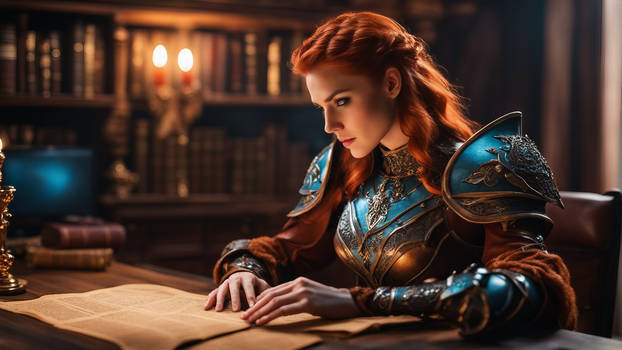
    Cosplay, short for “costume play,” is a unique and vibrant subculture that involves dressing up as fictional characters from various media, including anime, manga, video games, movies, and TV shows. More than just a hobby, cosplay is an art form that allows individuals to express their creativity, connect with like-minded enthusiasts, and celebrate their favorite fandoms.

    Research and Character Selection:
    The journey of creating a cosplay begins with choosing a character. This involves researching the character’s appearance, personality, and backstory to ensure an accurate portrayal. Cosplayers often gravitate toward characters they resonate with or admire.

    Design and Construction:
    Creating a cosplay costume is a meticulous process that involves design, pattern-making, and sewing. Cosplayers with varying skill levels invest time and effort in crafting costumes that capture every detail, from clothing to accessories. Some cosplayers also incorporate special effects and props to enhance their portrayal.

    Materials and Techniques:
    Cosplay costumes can be made from a variety of materials, ranging from fabrics and foam to thermoplastics and resin. Each material requires different techniques for shaping, painting, and assembling. Learning and mastering these techniques is an essential aspect of cosplay craftsmanship.

    Attention to Detail:
    The success of a cosplay often hinges on the attention to detail. Cosplayers strive to replicate even the smallest elements, such as intricate embroidery, unique textures, and iconic accessories, to create a faithful representation of the character.

    Transformation and Performance:
    Cosplay goes beyond wearing a costume; it involves embodying the character through performance. Cosplayers participate in photoshoots, conventions, and events where they interact with fans and fellow enthusiasts while staying in character.

    Community and Creativity:
    Cosplay communities provide a supportive space for enthusiasts to share their work, exchange tips, and celebrate their shared passion. The diversity of characters and styles in cosplay allows for limitless creativity, encouraging cosplayers to put their unique spin on their favorite characters.

    Inclusivity and Acceptance:
    Cosplay celebrates diversity and inclusivity, allowing people of all backgrounds and identities to express themselves freely. It’s a space where differences are celebrated and where cosplayers can connect with others who share their interests.

    Challenges and Rewards:
    Cosplay can be challenging, requiring dedication, time management, and problem-solving skills. However, the rewards are abundant—cosplayers often describe the joy of bringing a beloved character to life, making new friends, and experiencing the excitement of conventions.

    Artistic Growth and Exploration:
    Cosplay is an ever-evolving art form that encourages continuous learning. Cosplayers often explore new techniques, experiment with different materials, and challenge themselves to improve their skills with each project.

    In conclusion, cosplay is a vibrant and expressive art form that allows individuals to pay homage to their favorite characters, showcase their creativity, and build a strong sense of community. Through dedication and passion, cosplayers transform into the characters they love, leaving a lasting impression on both themselves and those who admire their work.

  • From Studio to Stage: The World of Live Performances and Concerts

    From Studio to Stage: The World of Live Performances and Concerts

    Live performances and concerts have an enchanting ability to captivate audiences, creating unforgettable experiences that transcend time and place. The journey from studio recording to the grand stage involves intricate planning, creativity, and a deep understanding of the art of performance.

    Conceptualization and Rehearsal:
    The process of bringing a live performance to life begins with the conceptualization of the show. Artists, directors, choreographers, and set designers collaborate to envision the overall experience. Rehearsals are a crucial part of the process, allowing performers to fine-tune their acts, work on timing, and synchronize their movements with the music.

    Stage Design and Technical Elements:
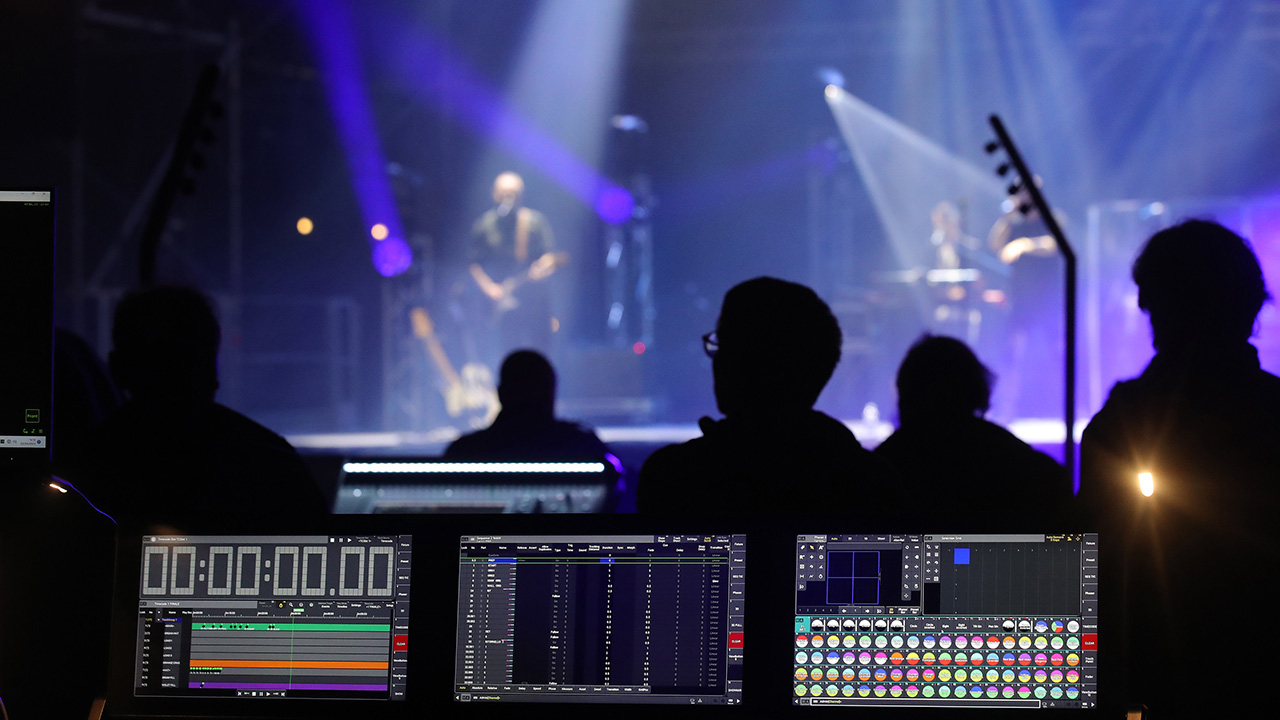
    Stage design plays a pivotal role in enhancing the audience’s experience. Lighting, sound systems, special effects, and visuals contribute to the atmosphere and emotional impact of the performance. Technical teams work behind the scenes to ensure seamless transitions and flawless execution of the technical elements.

    Creating a Connection with the Audience:
    Live performances offer a unique opportunity for artists to connect with their audience on a personal level. Engaging with the crowd, sharing stories, and encouraging participation create a sense of intimacy and authenticity that can’t be replicated in a studio recording.

    Adapting to the Live Setting:
    Performing live presents challenges that differ from studio recordings. Artists must adapt to the acoustics of the venue, manage nerves, and respond to unexpected situations. This adaptability showcases the true artistry of performers.

    Energy and Emotion:
    The energy exchanged between performers and the audience is electric. The collective emotion in the room amplifies the impact of the music and the performance. Successful artists feed off this energy and use it to elevate their show.

    Logistics and Touring:
    For many artists, live performances extend beyond a single show. Touring involves meticulous logistics, including travel arrangements, accommodations, and ensuring that the show is consistently executed at its best across different venues.

    Capturing the Moment:
    Live performances are often captured through photography, videography, and live recordings. These media not only serve as mementos for fans but also offer a glimpse into the magic of the live experience for those who couldn’t attend.

    The Emotional Journey:
    Performers often describe the emotional journey of a live performance as a rollercoaster of excitement, nerves, adrenaline, and fulfillment. The connection forged with the audience, combined with the realization of months of hard work, makes live performances incredibly rewarding.

    In conclusion, live performances and concerts are a celebration of artistry, creativity, and the power of music to unite people. From the careful planning and rehearsals to the thrill of the stage, the world of live performances is a testament to the indelible impact that music and performance have on our lives.