Blog

  • UV-Resistant Flooring Solutions for Walking Tracks

    UV-Resistant Flooring Solutions for Walking Tracks

    In India’s evolving urban and wellness landscape, walking tracks have become a vital feature in smart cities, parks, school campuses, and residential townships. These paths offer a dedicated space for daily exercise, leisure, and community interaction. But what often gets overlooked is the most critical component of the track—the flooring.

    While aesthetics and layout matter, long-term performance depends on the ability of the surface to withstand heat, rain, and UV exposure. In a country where sun exposure can reach extreme levels, using UV-resistant flooring is not a luxury—it’s a necessity. This post will guide you through the best walking track flooring solutions for Indian environments and explain why acrylic surfaces lead the way.

    Why UV Resistance Matters for Walking Tracks in India

    India’s tropical and semi-tropical climates expose walking track surfaces to high UV radiation for most of the year. This sunlight doesn’t just heat the surface—it causes chemical degradation, color fading, cracking, and premature aging in most materials.

    If a walking track is not built with UV-resistant flooring, it will quickly deteriorate:

    • Surface textures become brittle or slick
    • Color loses vibrancy, creating an uneven and dull look
    • Structural integrity weakens, making the path unsafe
    • Frequent resurfacing or full replacement becomes necessary

    To avoid these issues and extend the life of the track, it’s essential to choose materials specifically engineered to resist UV damage.

    Acrylic Flooring: The Best UV-Resistant Solution for Walking Tracks

    Among all available outdoor walking track materials, acrylic flooring systems offer the most reliable and long-lasting solution. Designed for direct exposure to sunlight, rain, and daily foot traffic, acrylic walking track surface materials remain strong and vibrant for years.

    What makes acrylic systems so effective?

    • UV-Stable Formulation: Special resins and pigments are used to resist sun damage
    • Anti-Fade Colors: Maintains visual appeal even after years of sun exposure
    • Temperature Resilience: Doesn’t soften, crack, or peel in extreme heat
    • Low Maintenance: Requires only basic cleaning and occasional topcoat refreshes

    Acrylic flooring is applied in multiple layers—primer, resurfacer, cushion coats (optional), and UV-resistant color coatings—creating a seamless surface that combines durability with design flexibility.

    Benefits of Acrylic Walking Track Flooring

    Let’s explore how acrylic flooring specifically benefits walking track projects across Indian geographies:

    All-Weather Performance

    Whether in the dry heat of Rajasthan, the humid coasts of Kerala, or the unpredictable monsoons of Mumbai, acrylic systems are designed to perform in every season. The surface remains usable after rain and doesn’t soften or deform during peak summer temperatures.

    Anti-Slip Surface Texture

    Walking tracks must accommodate users of all age groups. Acrylic flooring provides excellent grip—even when the surface is slightly wet. This makes it safe for children, seniors, and fitness enthusiasts who rely on traction for stability and comfort.

    Vibrant, Customizable Finishes

    Walking tracks are not just functional—they’re also visual focal points in urban landscapes. Acrylic coatings come in a range of fade-resistant colors, allowing developers and architects to align them with landscaping themes, branding, or public signage systems.

    You can also integrate arrows, borders, and motivational quotes into the track design—without worrying about them fading over time.

    Longevity and Low Maintenance

    An acrylic walking track surface typically lasts 7–10 years with minimal maintenance. Basic cleaning, occasional line remarking, and periodic topcoat applications are all that’s needed to keep the track looking new.

    This makes it a cost-effective solution compared to rubber tiles, pavers, or untreated concrete, which require more frequent replacements.

    Where UV-Resistant Acrylic Flooring Works Best

    Due to its versatile performance and adaptability, acrylic flooring is widely used in a variety of walking track environments:

    • Public Parks: Handles high foot traffic and weather with ease
    • Gated Communities: Adds value and appeal to residential wellness spaces
    • School & College Campuses: Durable and safe for student activity
    • Corporate Parks: Integrates seamlessly with landscaped surroundings
    • Smart City Corridors: Long-lasting and visually clean for government projects
    • Urban Rooftop Tracks: Lightweight and adaptable for architectural installations

    Regardless of location, UV-resistant acrylic coatings ensure the surface stays functional, beautiful, and safe—without requiring constant repairs or upgrades.

    Planning a Walking Track: What to Keep in Mind

    When constructing a walking track flooring in India, several practical factors need to be addressed:

    Surface Drainage

    Ensure proper grading and water flow to avoid pooling, which can degrade even UV-resistant coatings over time. Acrylic surfaces are water-repellent, but stagnant water should still be avoided.

    Foot Traffic & Usage Type

    If the track will be used for jogging, high footfall, or multi-purpose events, consider using cushion acrylic systems to enhance comfort and reduce fatigue.

    Shade & Tree Cover

    While acrylic is UV-resistant, surrounding tree shade or man-made covers can help reduce direct heat and enhance the user experience. This is especially important in northern and western India during peak summers.

    Lighting & Safety

    UV-resistant paints can be paired with reflective coatings or anti-glare surfaces to enhance night visibility. This improves usability and safety for evening or early morning walkers.

    Comparing Acrylic with Other Walking Track Surfaces

    Some may consider alternatives to acrylic for walking tracks, including:

    • Paver Tiles: Visually appealing but prone to weed growth, joint displacement, and heat retention
    • Rubber Tiles: Comfortable but expensive and not UV-stable; prone to wear and tear under sun
    • Plain Concrete: Economical but slippery when wet and prone to cracking in heat

    Each of these materials comes with trade-offs in cost, comfort, and maintenance. Acrylic, on the other hand, offers the best overall performance for both public and private walking track projects.

    Choosing the Right Partner for Installation

    Using high-quality UV-resistant flooring is just the first step. Installation quality and technical support are equally important for a long-lasting walking track.

    Partner with a provider that offers:

    • Certified, weather-tested acrylic materials
    • Technical guidance for surface preparation and layering
    • Custom color and marking options
    • On-site supervision or contractor training
    • Post-installation support and maintenance planning

    AQS is a trusted name in walking track flooring in India, offering premium acrylic solutions tailored for India’s demanding climate. Their systems are used by smart city developers, real estate companies, schools, and park planners nationwide.

    Conclusion

    A walking track is more than just a path—it’s an essential wellness space, a design element, and a long-term public asset. To keep it looking great and performing well for years, UV-resistant flooring is a non-negotiable requirement.

    Acrylic walking track surfaces check all the boxes: weather resistance, durability, anti-slip safety, and vibrant aesthetics. With the right planning and quality materials, your walking track will not only invite foot traffic but also stand strong against the harsh Indian sun.

    AQS offers expert-approved, certified outdoor walking track materials, helping you create tracks that last—without the constant need for costly repairs or replacements.

  • Variable Message Signs: How Innov8 VMS Boards Enhance Safety

    Variable Message Signs: How Innov8 VMS Boards Enhance Safety

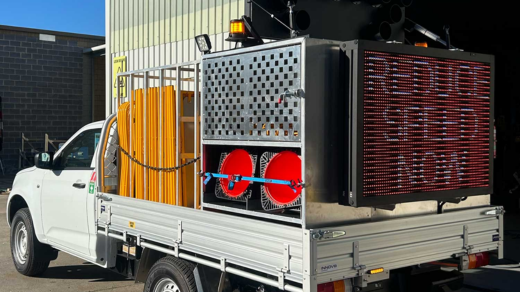
    Variable Message Signs (VMS) play a crucial role in modern traffic management systems by providing real-time information to drivers. This article explores the impact of Innov8 VMS boards on enhancing safety on roadways through improved communication, visibility, and flexibility in conveying important messages to motorists.

    INNOV8 Equipment takes traffic management further with their advanced VMS boards. By delivering crucial updates, these boards enhance road safety through timely communication and high visibility. Versatile in function, they adapt to changing conditions, ensuring drivers receive pertinent information efficiently, thus contributing to smoother and safer journeys.

    Introduction to Variable Message Signs (VMS)

    Variable Message Signs (VMS) are a crucial component of modern transportation systems that provide real-time information to motorists. These electronic signs are typically placed along roadways and highways to convey important messages such as traffic conditions, weather alerts, emergency information, and directional guidance. By displaying dynamic messages that can be changed remotely, VMS help improve traffic flow, enhance road safety, and provide drivers with timely updates to make informed decisions. VMS can be programmed to display a variety of messages, including lane closures, detours, speed limits, and upcoming road hazards, contributing to smoother traffic management and reducing congestion on busy roads.

    The effectiveness of Variable Message Signs lies in their ability to provide customized and relevant information to drivers based on real-time conditions. VMS are equipped with sensors and communication systems that allow them to receive data from traffic monitoring systems, weather stations, and emergency services. This data is then processed and displayed on the signs in a clear and easily understandable format, ensuring that motorists can quickly grasp the information while focusing on the road. By leveraging advanced technology, VMS have become an indispensable tool for transportation authorities to communicate with drivers efficiently and effectively, ultimately improving overall traffic operations and enhancing the driving experience for road users.

    Importance of Roadway Safety and Communication

    Roadway safety and communication are paramount in ensuring the well-being of all road users, including drivers, pedestrians, cyclists, and passengers. Effective communication on the road is essential to prevent accidents, reduce congestion, and improve overall traffic flow. Proper signage, signals, and road markings help convey important information to drivers, guiding them on speed limits, lane changes, intersections, and potential hazards. Clear and consistent communication on the road promotes predictability and enhances the understanding of traffic rules and regulations, ultimately leading to a safer environment for everyone.

    Moreover, roadway safety and communication play a crucial role in reducing the number of accidents and fatalities on the road. By promoting awareness and understanding among all road users, communication helps in fostering a culture of responsibility and mutual respect. Through initiatives such as public awareness campaigns, driver education programs, and enforcement of traffic laws, road safety can be significantly improved. Effective communication also enables quick response in emergency situations, such as accidents or road closures, ensuring timely assistance and support for those in need. Overall, prioritizing roadway safety and communication is key to creating a harmonious and secure transportation network for all individuals.

    Innov8 Equipment Vms Boards Variable Message Signs play a pivotal role in enhancing roadway safety and communication. These signs, available at Innov8 Equipment Vms Boards Variable Message Signs, deliver critical real-time information to drivers, alerting them to hazards, detours, and emergencies. Their strategic deployment can greatly reduce accidents and improve traffic management.

    Innov8 VMS Boards: Features and Technology

    Innov8 VMS Boards are cutting-edge digital signage solutions that offer a plethora of advanced features and utilize state-of-the-art technology to deliver engaging and immersive visual content. These boards are equipped with high-resolution displays that ensure crisp and vibrant images, making them ideal for showcasing dynamic multimedia content in a variety of settings. The innovative LED technology employed in Innov8 VMS Boards allows for superior brightness and clarity, enabling the displays to stand out even in brightly lit environments. With customizable display options, users can easily tailor the content to suit their specific needs, whether it be advertising promotions, providing information, or enhancing the overall ambiance of a space.

    Additionally, Innov8 VMS Boards are designed with user-friendly interfaces and intuitive software that streamline the content management process. These boards support remote access, enabling users to update and control the displayed content from anywhere with an internet connection, offering convenience and flexibility. The integration of cloud-based technology further enhances the functionality of Innov8 VMS Boards, allowing for seamless content scheduling, real-time updates, and monitoring of performance metrics. With features like touch-screen capabilities and interactive elements, these boards provide an engaging platform for audience interaction, making them a versatile and impactful tool for businesses, schools, retail spaces, and other public venues.

    Enhancing Traffic Management with VMS

    Variable Message Signs (VMS) play a crucial role in enhancing traffic management by providing real-time information to drivers on road conditions, incidents, and alternative routes. These digital signs are strategically placed along highways and major roads to communicate important messages to motorists, such as upcoming road closures, accidents, construction zones, weather alerts, and traffic congestion. By keeping drivers informed and aware of the current situation on the road, VMS help reduce traffic bottlenecks, prevent accidents, and improve overall traffic flow. This proactive approach to traffic management not only benefits individual drivers by helping them make informed decisions about their routes but also contributes to the overall efficiency and safety of the transportation network.

    Moreover, VMS can be integrated with intelligent transportation systems and traffic management centers to enable dynamic control of messages based on real-time traffic data. This allows authorities to quickly adjust the information displayed on the signs to respond to changing traffic conditions, emergencies, or special events. By leveraging VMS in this way, traffic managers can effectively communicate with drivers, guide them towards less congested routes, and mitigate potential disruptions. The flexibility and adaptability of VMS make them a valuable tool in modern traffic management strategies, helping to optimize traffic flow, reduce travel times, and enhance the overall driving experience for commuters.

    Benefits of Implementing Innov8 VMS Boards

    Implementing Innov8 VMS boards in an organization can bring about numerous benefits. One key advantage is improved communication and visibility. The visual nature of VMS boards makes it easier for team members to understand the status of tasks, project timelines, and overall progress at a glance. This leads to better coordination among team members, as everyone is on the same page regarding project updates and priorities. By providing real-time information in a clear and concise manner, Innov8 VMS boards enable teams to make quicker and more informed decisions, ultimately enhancing productivity and efficiency.

    Another benefit of implementing Innov8 VMS boards is increased accountability and transparency. With tasks and responsibilities clearly laid out on the boards, team members are more accountable for their work and deadlines. The visual representation of progress also fosters a sense of transparency within the team, as everyone can see who is working on what and how tasks are progressing. This level of visibility not only improves individual accountability but also promotes a culture of collaboration and teamwork, as team members can easily identify areas where they can offer support or assistance to ensure project success.

    Case Studies: Success Stories of VMS Implementation

    Case studies serve as powerful tools to showcase the success stories of VMS (Vendor Management System) implementation in various organizations across industries. One such case study revolves around a global manufacturing company that successfully streamlined its vendor management processes by implementing a VMS solution. By centralizing vendor data, automating procurement workflows, and enforcing compliance measures, the company achieved significant cost savings and efficiency improvements. The case study highlights how the VMS solution enabled the organization to track vendor performance, negotiate better contracts, and ultimately enhance vendor relationships. With real-time reporting and analytics, the company could make data-driven decisions to optimize its vendor management strategies and drive business growth.

    Another compelling case study focuses on a healthcare institution that transformed its contingent workforce management through VMS implementation. By integrating the VMS with its HR systems, the institution gained better visibility and control over its contingent workforce, leading to improved compliance and risk mitigation. The case study demonstrates how the VMS solution facilitated the seamless onboarding and offboarding of temporary staff, ensured regulatory compliance, and enhanced workforce planning. Through streamlined processes and enhanced transparency, the healthcare institution was able to optimize its workforce utilization, reduce administrative burden, and deliver better patient care. The success story underscores the transformative impact of VMS implementation in driving operational efficiency and achieving strategic objectives in the healthcare sector.

    Customization Options for VMS Boards

    VMS boards, or Variable Message Signs, offer a wide range of customization options to meet the specific needs of different industries and applications. One key customization option is the ability to select the size and shape of the VMS board to fit the available space and visibility requirements. Whether it is a compact VMS board for a tight urban setting or a large, high-resolution board for a highway, customization allows for optimal placement and impact. Additionally, users can choose from a variety of mounting options, such as pole mounting, wall mounting, or trailer mounting, to ensure the VMS board is securely installed in the desired location.

    Another important customization option for VMS boards is the ability to select the type of message display, including text, graphics, symbols, and animations. This flexibility allows users to convey information in the most effective way for their specific audience and purpose. Furthermore, customization options for colors, fonts, and brightness levels enable users to enhance visibility and readability in different lighting conditions and environments. Advanced features like remote access and scheduling capabilities can also be customized to streamline operations and maximize the efficiency of the VMS board system. Overall, the customization options for VMS boards empower users to tailor their display solutions to best meet their communication and operational needs.

    Integrating VMS Boards with Smart City Initiatives

    Integrating VMS (Variable Message Sign) boards with smart city initiatives presents a significant opportunity to enhance urban mobility and communication systems. VMS boards, commonly used for displaying real-time traffic information, can be leveraged to support various smart city applications. By integrating VMS boards with smart city initiatives such as traffic management systems, intelligent transportation systems, and emergency response systems, cities can improve their overall efficiency, safety, and sustainability. These integrated solutions can provide real-time updates on traffic congestion, road closures, accidents, weather conditions, and other relevant information to help commuters make informed decisions and optimize their travel routes. Furthermore, VMS boards can be synchronized with other smart city technologies to enable dynamic messaging, emergency alerts, and personalized notifications, contributing to a more connected and responsive urban environment.

    Moreover, integrating VMS boards with smart city initiatives can facilitate data-driven decision-making and proactive management of urban infrastructure. By collecting and analyzing data from VMS boards, city authorities can gain valuable insights into traffic patterns, peak hours, congestion hotspots, and other critical information to optimize traffic flow and improve overall transportation efficiency. This data can also be used to predict and prevent traffic incidents, plan infrastructure upgrades, and implement targeted interventions to address specific mobility challenges. By harnessing the power of VMS boards within the broader context of smart city initiatives, cities can create a more seamless, integrated, and intelligent urban ecosystem that enhances the quality of life for residents, promotes sustainable urban development, and fosters economic growth.

    Future Trends in VMS Technology

    The future of Visitor Management System (VMS) technology is poised for significant advancements in enhancing security, efficiency, and user experience. One key trend that is anticipated to shape the future of VMS technology is the integration of artificial intelligence (AI) and machine learning capabilities. VMS systems will increasingly leverage AI algorithms to analyze visitor data, detect patterns, and predict potential security risks in real-time. This will enable VMS solutions to proactively identify and address security threats before they escalate, making facilities safer and more secure.

    Another emerging trend in VMS technology is the adoption of cloud-based solutions. Cloud-based VMS platforms offer greater scalability, flexibility, and accessibility compared to traditional on-premise systems. By leveraging cloud technology, VMS solutions can easily integrate with other security systems, such as access control and video surveillance, to provide a comprehensive security ecosystem. Additionally, cloud-based VMS solutions offer remote access capabilities, allowing users to manage visitor logs, check-ins, and security alerts from anywhere, at any time. This trend is expected to continue to gain traction as organizations prioritize flexibility and remote access in their security strategies.

    Conclusion: Advancing Safety through Innov8 VMS Boards

    In conclusion, it is evident that Innov8 VMS boards play a crucial role in advancing safety measures across various industries. These innovative visual management systems provide real-time information, enabling employees to make informed decisions quickly. By displaying key safety protocols, emergency procedures, and hazard notifications in a clear and visible manner, Innov8 VMS boards help create a safer work environment for employees. The dynamic nature of these boards allows for customization and updates, ensuring that the most relevant safety information is always accessible to workers. Through the use of Innov8 VMS boards, organizations can enhance their safety culture, promote awareness, and ultimately reduce the risk of accidents and injuries in the workplace.

    Furthermore, Innov8 VMS boards contribute to fostering a culture of continuous improvement in safety practices. By incorporating features such as data analytics and performance metrics, these boards enable organizations to track safety trends, identify areas for improvement, and implement targeted safety initiatives. The interactive nature of Innov8 VMS boards encourages employee engagement and participation in safety protocols, creating a sense of ownership and accountability for safety within the workforce. As a result, organizations can proactively address safety concerns, prevent incidents, and continuously strive towards achieving higher safety standards. Overall, the implementation of Innov8 VMS boards represents a significant step forward in advancing safety strategies and promoting a culture of safety excellence within organizations.

  • Discover the Symbol of Your Eternal Bond

    Discover the Symbol of Your Eternal Bond

    In a world where love stories unfold in countless beautiful ways, the moi et toi ring has emerged as a meaningful symbol of eternal connection. Rooted in French tradition and translated as “me and you,” this design is more than a piece of jewelry—it is a visual expression of two souls intertwined. As couples seek more personalized and symbolic engagement and commitment rings, the allure of the moi et toi setting continues to grow, offering a striking yet intimate way to celebrate an everlasting bond.

    The charm of the moi et toi ring lies in its unique structure. Unlike traditional solitaire designs, it features two stones sitting side by side, each representing one person in the relationship. The symbolism is immediately apparent: two individuals coming together as equals, distinct yet united. Whether chosen for an engagement, anniversary, or simply as a declaration of enduring love, the moi et toi ring tells a story that is deeply personal.

    This design has seen a resurgence in recent years, especially among those who appreciate both vintage elegance and modern customization. The two-stone layout allows for creative freedom, making it ideal for those who want a piece that feels as unique as their love story. Couples can select stones that reflect their personalities, birthstones, or meaningful gems that capture a shared memory. A diamond paired with a sapphire, for example, might represent strength and loyalty, while an emerald matched with a ruby could symbolize growth and passion.

    Beyond the aesthetic appeal, the moi et toi ring carries emotional depth. The idea that two separate stones can coexist harmoniously mirrors the balance and compromise essential in any lasting relationship. Unlike mass-produced designs, this style encourages thoughtful choices, transforming the ring into a cherished heirloom that can be passed down through generations.

    Artisans and designers have embraced the moi et toi setting with a fresh perspective, offering a range of interpretations from minimalist and contemporary to ornate and vintage-inspired. Modern versions often feature asymmetrical layouts, unexpected gemstone combinations, or delicate band detailing to enhance the symbolic meaning without overwhelming the design. These creative innovations allow couples to choose a ring that feels like an authentic extension of their journey.Visit our blog for more Yearly Magazine.

    The versatility of the moi et toi ring extends beyond romantic commitments. Some individuals choose it as a celebration of self-love or to mark a profound connection with a friend, sibling, or parent. Its adaptable symbolism makes it suitable for a wide range of occasions and relationships, broadening its appeal to anyone who values emotional depth in their jewelry.

    In an age where meaningful expression is more important than ever, the moi et toi ring stands out as a timeless token of connection. It invites wearers to reflect on the importance of balance, duality, and unity—core elements of any enduring relationship. Whether presented in a quiet moment or chosen as part of a grand proposal, this design encapsulates love in its most poetic form.

    When searching for the perfect ring that encapsulates your shared story, consider the enduring beauty and significance of the moi et toi. It is not just a ring—it is a declaration, a memory, and most importantly, a symbol of your eternal bond.

  • Best Content Writing Services in Bangalore: Elevate Your Brand with Words That Work

    Best Content Writing Services in Bangalore: Elevate Your Brand with Words That Work

    In today’s digital-first world, content is more than just words on a page—it’s the voice of your brand, the fuel of your marketing, and the bridge between your business and your audience. Whether you’re a startup, a growing enterprise, or an established company, having high-quality content is essential to stand out in the crowded online marketplace. That’s why more businesses are turning to the best content writing services in Bangalore to sharpen their messaging, boost visibility, and drive customer engagement.

    Why Choose Bangalore for Content Writing Services?

    Bangalore, also known as India’s Silicon Valley, is home to a vibrant mix of technology firms, digital marketing agencies, and creative professionals. The city has become a hub for content creation thanks to its talented pool of writers, editors, and strategists. Whether you need blog articles, SEO copywriting, technical documentation, or social media content, Bangalore offers a diverse range of services tailored to meet your specific needs.

    What Makes a Great Content Writing Service?

    Before diving into specific options, it’s important to understand what sets top-tier content writing services apart. Here are a few hallmarks of excellence:

    • Expertise in SEO: Modern content must be optimized for search engines to rank high and attract organic traffic.
    • Industry-Specific Knowledge: From fintech to fashion, good writers know how to adapt their tone and approach to your sector.
    • Content Versatility: The best agencies handle multiple formats—web pages, blogs, product descriptions, whitepapers, and more.
    • Quality and Originality: Plagiarism-free, grammatically correct, and well-researched content builds trust and authority.
    • Fast Turnaround Times: In the fast-paced digital world, timely delivery is crucial to maintain consistency.

    Top Services Offered by Bangalore’s Content Experts

    1. SEO Blog Writing
      Blogging is one of the most effective ways to engage your audience and improve your search engine rankings. Bangalore-based agencies provide keyword-rich, informative, and shareable blog content tailored to your target market.
    2. Website Content Development
      A compelling homepage, engaging About Us page, and persuasive service descriptions are crucial. Content specialists in Bangalore can craft text that captures your brand’s essence while guiding users through your site seamlessly.
    3. Technical Writing
      From user manuals to technical whitepapers, professional content writers in Bangalore are skilled in delivering accurate and digestible documentation for complex subjects.
    4. E-commerce Product Descriptions
      If you run an online store, you need concise and attractive product copy that drives sales. Bangalore content services understand consumer psychology and write descriptions that convert.
    5. Social Media Content
      Engage your audience on platforms like Instagram, LinkedIn, and Facebook with catchy captions, compelling stories, and strategic content calendars created by skilled copywriters.

    Benefits of Hiring Bangalore-Based Content Writers

    Hiring locally offers several advantages. You benefit from the cultural alignment, easier communication, and better understanding of Indian consumers. Moreover, the cost-effectiveness of Indian services makes them highly attractive to both local and global clients.

    In particular, content writing services in Bangalore stand out because they blend linguistic finesse with digital marketing insight. Many providers here also offer value-added services like content strategy, keyword research, and performance analytics.

    How to Choose the Right Agency

    When selecting a content writing agency, always review their portfolio and client testimonials. Check if they offer customized solutions and if they are open to revisions. An agency’s willingness to understand your brand’s voice and goals is often a strong indicator of long-term compatibility.

    Additionally, schedule a consultation to gauge their communication skills and workflow. Transparency about pricing, delivery timelines, and service scope should be a priority.

    Final Thoughts

    In a world driven by information, the importance of professional content cannot be overstated. The best content writing services in Bangalore provide not just words, but strategic messaging that elevates your brand, engages your audience, and drives measurable results. Whether you’re launching a new website or revamping your marketing strategy, investing in quality content is a decision that pays off in both visibility and value.

  • Drone Swarms for Disaster Relief: Coordinated UAVs in Emergency Response, Presented by Sonoran Desert Institute

    Drone Swarms for Disaster Relief: Coordinated UAVs in Emergency Response, Presented by Sonoran Desert Institute

    When disasters strike, whether earthquakes, floods, wildfires or hurricanes, the need for rapid response and efficient resource allocation becomes a matter of life and death. Traditional response methods often face obstacles such as damaged infrastructure, hazardous environments or limited personnel. Sonoran Desert Institute (SDI), accredited by the Distance Education Accrediting Commission (DEAC), is at the forefront of preparing students to meet these evolving challenges. Through its Associate of Science in Uncrewed Technology (ASUT) and Certificate in Uncrewed Technology Aerial Systems programs, it offers comprehensive training in uncrewed aircraft systems (UAS), encompassing drone design, flight testing, sensor integration and remote sensing. These programs equip graduates with the technical skills necessary to adapt to emerging technologies in the field, including the integration of automation, analytics and mobility solutions aimed at enhancing the effectiveness of security operations.

    Thanks to advancements in swarm AI, drone teams can now operate collaboratively and autonomously, completing complex missions faster and more effectively than ever before. The result is a scalable, adaptable and highly efficient support system that is redefining how we approach disaster relief.

    Coordinated UAVs in Emergency Response

    In the immediate aftermath of a disaster, first responders often have limited information about the extent of the damage, safe access routes or the location of survivors. Drone swarms offer an unprecedented advantage by quickly deploying over affected areas, mapping the terrain and gathering real-time data.

    Unlike single-drone missions, swarms operate as a unified system. Each drone is assigned a specific section or task. Some focus on capturing aerial imagery, others perform thermal scans to locate survivors and others assess infrastructure like bridges or power lines. These units communicate wirelessly, adjusting flight patterns and objectives based on conditions in real-time.

    This distributed approach accelerates situational awareness. Within minutes, relief agencies receive a comprehensive overview of the disaster zone, including 3D maps, heat signatures and environmental readings. These insights inform critical decisions such as where to dispatch rescue crews, how to prioritize supply drops or which areas pose the highest safety risks.

    Delivering Supplies and Life-Saving Aid

    One of the most practical applications of drone swarms in disaster relief is supply delivery. In many disasters, roads become impassable and traditional delivery vehicles are unable to reach remote or isolated victims. Drone swarms overcome this challenge by delivering small payloads of food, water, medical supplies and communication equipment directly to those in need.

    Using GPS and real-time tracking, drones can reach precise coordinates with minimal delay. In coordinated swarms, these UAVs can deliver aid to multiple recipients simultaneously, greatly expanding the reach and speed of the response.

    Payload-bearing drones in a swarm may operate in tandem with mapping drones, ensuring that aid is delivered only to confirmed locations with survivors or urgent needs. Some advanced swarms are even capable of returning to base for automatic reloading and redeployment, enabling continuous delivery throughout the day.

    These capabilities are particularly valuable in areas where time is critical, such as delivering insulin to people with diabetes, oxygen to those with respiratory issues or emergency shelter to exposed populations.

    Advancements in Swarm AI

    Swarm AI technology lies at the heart of successful drone swarm operations. Unlike traditional UAV programming, where each drone follows a predetermined path, swarm AI enables UAVs to work together using shared intelligence. It allows them to dynamically adjust their routes, avoid collisions and complete complex, interdependent tasks.

    Swarm AI is modeled after natural behaviors seen in birds and insects. Each drone is programmed with algorithms that allow it to sense and respond to the position of neighboring drones, environmental changes and mission objectives. When one drone encounters an obstacle or changes course, the others adapt instantly, ensuring mission continuity without centralized control.

    This decentralized structure increases redundancy and resilience. If one drone fails or is grounded due to damage or battery loss, the others can adjust seamlessly to cover its task. Some systems also use machine learning to refine their performance over time, learning from each mission to improve accuracy and efficiency.

    Developments in edge computing now allow drones to process data onboard instead of relying on external servers, further enhancing autonomy and reducing latency during critical missions.

    Real-World Deployments and Case Studies

    Drone swarms have already proven their value in real-world emergencies. During the 2023 wildfires in Greece, drone swarms were deployed to map fire boundaries and monitor hotspots. The information helped firefighters identify flare-ups before they spread and guided evacuation plans for at-risk communities.

    In Haiti, following a devastating earthquake, drone swarms supported humanitarian organizations by delivering water purification tablets and medical kits to remote villages. The UAVs also mapped landslide-prone areas, alerting ground teams to secondary threats that could endanger rescue operations.

    In the United States, the Federal Emergency Management Agency (FEMA) has incorporated swarm drone drills into its response planning. These exercises simulate mass flooding events, during which drone teams are tasked with scanning submerged areas, searching for stranded individuals and delivering life vests or emergency radios.

    The key takeaway from these cases is that drone swarms are not merely theoretical; they are active, evolving tools with measurable life-saving results. Their speed, flexibility and cost-effectiveness make them essential assets in 21st-century disaster management.

    The Future of Swarm-Based Disaster Relief

    As technology continues to advance, drone swarms are expected to play an even larger role in disaster preparedness and response. Future developments may include:

    • Autonomous drone hubs that recharge, restock and relaunch swarms with minimal human oversight.
    • Integrated communication systems that connect drone data with emergency dispatch centers and public alert systems.
    • AI-based predictive models analyze incoming data from swarms to forecast secondary disasters, such as dam failures or aftershocks.

    Some researchers are exploring modular drone swarms, in which UAVs attach mid-flight to form temporary structures such as light towers or signal relays. This level of adaptability could further expand the use cases for drone swarms in natural and artificial disasters.

    International aid organizations are also considering standardizing swarm protocols, which would make it easier to deploy multi-vendor drone fleets in cross-border relief efforts.

    Sonoran Desert Institute highlights the essential role of drones and automation in enhancing emergency response and public safety. Through hands-on training and technical coursework in UAS, students gain practical skills in drone design, flight testing and sensor integration. This foundational knowledge equips graduates to understand and potentially leverage emergingtechnologies in critical infrastructure support and humanitarian missions. By mastering these advanced capabilities, students are prepared to become valuable contributors to innovative and efficient disaster response efforts.

    As the world faces more frequent and intense disasters, the demand for efficient, responsive and scalable solutions can only grow. Drone swarms offer a glimpse into the future of emergency management, a future where speed meets strategy and where autonomous coordination delivers hope in moments of crisis.

  • Custom Mobile Skids: The Ultimate Solution for Pressure Washing and Window Cleaning Needs

    Custom Mobile Skids: The Ultimate Solution for Pressure Washing and Window Cleaning Needs

    In today’s fast-paced service industry, having mobile and efficient cleaning systems is essential for professionals. Whether you’re a seasoned contractor or just starting in pressure washing or window cleaning, investing in custom mobile skids can dramatically improve your productivity and results. These setups are more than just equipment—they’re business tools tailored to your specific needs.

    What Are Custom Mobile Skids?

    Custom mobile skids are modular units built to house and organize your cleaning equipment in a compact, mobile format. Typically installed in vans, trailers, or pickup trucks, these skids offer an all-in-one system that includes tanks, pumps, hoses, reels, and control panels. The customization ensures that each component is strategically placed for maximum efficiency and easy operation.

    These systems are widely used across different industries, such as property management, commercial cleaning, and automotive detailing. With a well-designed skid, professionals can reduce setup time, minimize breakdowns, and maintain consistent quality across jobs.

    Custom Pressure Washing Skid: A Game-Changer

    A Custom Pressure Washing Skid is specifically engineered for high-performance cleaning tasks. These skids come with high PSI pressure washers, large-capacity water tanks, chemical injection systems, and hose reels. Whether you’re cleaning commercial buildings, driveways, parking lots, or industrial machinery, a customized skid ensures you have the right tools for the job.

    The key benefit here is reliability and speed. Instead of spending valuable time assembling gear at each job site, operators can start work immediately. Moreover, high-quality components used in custom builds reduce downtime due to equipment failure.

    Additionally, having a professional-grade skid not only boosts efficiency but also enhances your company’s image. Clients are more likely to trust a contractor who uses clean, organized, and robust equipment.

    Window Cleaning DI System for Spot-Free Finishes

    When it comes to window cleaning, a Window Cleaning DI System (Deionized Water System) is essential. These systems remove minerals from water, ensuring a spot-free and streak-free finish on glass surfaces. Paired with a water-fed pole, a DI system makes high-rise or multi-story window cleaning safer and more effective.

    Many custom mobile skid setups now include an integrated DI system. This all-in-one design reduces the need for separate equipment, making it easier to perform multiple services with one vehicle. For companies offering both pressure washing and window cleaning, combining these systems into a single skid unit maximizes value and convenience.

    Versatile Pressure Washing Equipment Options

    Custom skids can be fitted with a wide array of pressure washing equipment depending on your needs. Whether it’s hot water systems for greasy surfaces or dual-pump setups for increased flow rates, your skid can be configured accordingly.

    Incorporating smart technology like remote control activation or digital pressure regulators further enhances usability. Accessories such as surface cleaners, turbo nozzles, and telescoping wands can also be stored within the skid frame, keeping everything organized and secure.

    Why Softwash Skid Systems Are Growing in Popularity

    Not every cleaning task requires high pressure. Roof cleaning, siding, stucco, and delicate surfaces benefit from soft washing—a method that uses low-pressure water and specialized detergents. A Softwash Skid is designed to store and distribute these chemical solutions safely.

    These systems often include dedicated pumps, blend modules, and chemical tanks to manage different mixtures. Since soft washing minimizes the risk of surface damage, many contractors are adding this service to their offerings. Having a softwash system as part of your mobile skid makes it easy to switch between high and low-pressure cleaning jobs without needing separate setups.

    Final Thoughts

    Investing in custom mobile skids isn’t just about buying equipment—it’s about optimizing your operations. With the right configuration, you can offer a wide range of cleaning services from a single, efficient mobile unit. From a Custom Pressure Washing Skid to a Window Cleaning DI System, every element can be tailored to suit your workflow.

    If you’re looking to expand or upgrade your mobile cleaning business, consider building a custom skid solution that reflects your specific goals and service offerings. The result will be better performance, increased client satisfaction, and a professional image that stands out in a competitive market.

  • Short Term Loan UK Options For Quick And Easy Borrowing

    Short Term Loan UK Options For Quick And Easy Borrowing

    Need cash fast? Discover the most reliable short-term loan UK options tailored for urgent expenses. Whether it’s for an unexpected bill or emergency repair, this guide breaks down everything you need to know about borrowing quickly and responsibly. Explore the best lenders, understand the terms, and choose the option that suits your needs—all in one place.

    When financial surprises catch you off guard, a short-term loan can be the lifeline you need. Whether it’s a medical bill, home repair, or travel emergency, many people in the UK turn to fast loans to bridge the gap. But not all lending options are created equal. That’s why understanding your choices is key before making a decision.

    In this article, we explore the various short-term loan options available in the UK, how to select the right one, and what to expect during the process.

    What Is a Short-Term Loan?

    A short-term loan is a type of credit that’s typically repaid within 3 to 12 months. It’s designed for quick access to cash without long-term commitments. These loans are often unsecured, which means you don’t need to offer any assets as collateral.

    Borrowers use short-term loans for various purposes, such as:

    • Covering emergency expenses
    • Paying unexpected utility bills
    • Funding car or home repairs
    • Managing shortfalls in income

    The term “short term loan UK” refers to the range of quick lending options available to UK residents, regulated by the Financial Conduct Authority (FCA).

    Common Types of Short-Term Loans

    Several short-term borrowing options are available in the UK. Each has its pros and cons, depending on your financial situation.

    1. Payday Loans

    Payday loans offer small amounts, usually up to £1,000, and are meant to be repaid by your next pay date. They’re fast but often come with high interest rates.

    2. Instalment Loans

    These are similar to payday loans but allow repayment over several months. They’re more manageable if you can’t repay in a single go.

    3. Credit Union Loans

    Credit unions offer affordable short-term loans to their members, often with better rates than commercial lenders. Approval may take longer but is more community-focused.

    4. Online Direct Lenders

    Many online lenders provide instant approval and same-day transfers. This is a convenient option, but always check reviews and terms before agreeing.

    Key Features to Look For

    Before applying for a loan, consider these essential factors:

    • Interest Rate (APR): Lower is better. Compare offers.
    • Repayment Term: Shorter terms mean quicker repayment, but monthly instalments might be higher.
    • Hidden Fees: Be aware of late payment charges and processing fees.
    • Speed of Approval: If it’s urgent, choose a lender offering same-day payout.
    • Lender Reputation: Choose FCA-authorised lenders only.

    Pros and Cons of Short-Term Loans

    Benefits:

    • Quick and easy application process
    • Fast payout—often within hours
    • No need for collateral
    • Helpful in emergencies

    Drawbacks:

    • Higher interest rates
    • Short repayment period
    • Late fees can add up quickly
    • Can impact credit score if mismanaged

    Who Should Consider a Short-Term Loan?

    A short-term loan is suitable for people who:

    • Need money urgently for a valid, short-term reason
    • Have a regular income and can repay on time
    • Do not want to borrow long term
    • Are confident in managing repayments responsibly

    However, if you’re already in debt or unsure about repayments, it’s better to explore alternatives like budgeting help, credit counselling, or interest-free overdrafts.

    How to Apply for a Short-Term Loan in the UK

    Applying for a short-term loan is a straightforward process:

    1. Choose a Reputable Lender: Look for FCA-authorised providers. Compare interest rates, repayment terms, and online reviews to find the best option for you.
    2. Check Eligibility: Most lenders require you to be 18 years or older, a UK resident, and have a steady income. Some may do soft credit checks.
    3. Fill in the Application Form: Provide personal details, employment information, and bank account data.
    4. Wait for Approval: Many lenders give instant decisions. If approved, funds can be in your account the same day.
    5. Read the Agreement: Always read the small print. Understand the repayment schedule, penalties, and terms before accepting.

    Alternatives to Short-Term Loans

    If you’re not sure about taking a loan, consider these options:

    • Interest-free overdrafts (available on some student or basic bank accounts)
    • Borrowing from friends or family
    • Payment plans with utility companies or service providers
    • Community support schemes offered by local councils

    Final Thoughts

    Short-term loans in the UK offer a lifeline when you need cash urgently. They’re quick, accessible, and often approved within hours. But it’s vital to understand the terms, compare lenders, and borrow responsibly.

    When used wisely, a short-term loan in the UK can help you navigate financial bumps without long-term stress. Always borrow within your means and be aware of your repayment obligations.

    Making informed decisions today can protect your financial well-being tomorrow.

  • How Excavating Prepares Your Site for Successful Construction and Development

    How Excavating Prepares Your Site for Successful Construction and Development

    Excavating is a critical step in the construction and development process, laying the foundation for a successful project from the ground up. Proper excavation ensures that the site is prepared to meet the technical, safety, and structural requirements necessary for building. Understanding the role excavating plays in site preparation can help project managers, developers, and property owners appreciate its significance and plan accordingly for smooth construction progress.

    The Role of Excavating in Site Preparation

    Before any construction begins, the land must be cleared, shaped, and made suitable for the intended structure. Excavating involves the removal of soil, rocks, and other materials from the site to create a level, stable base. This process is more than just digging; it is a precise operation that requires careful planning, specialized equipment, and expertise.

    Excavation work helps to establish proper drainage, prevent future settlement problems, and enable the safe placement of foundations. Without this crucial step, construction may face challenges such as uneven ground, water accumulation, or unstable soil, which can compromise the integrity and longevity of the development.

    Ensuring Structural Stability Through Excavation

    A primary objective of excavating is to prepare the ground to support the weight and design of the structure. This involves digging to the appropriate depth for foundations or basements and removing unsuitable soil that might cause shifting or sinking over time. In many cases, excavating also includes soil testing and grading, which are essential to assess soil composition and stability.

    By carefully removing and replacing soil, excavating provides a stable platform for foundation work, whether it is a shallow slab or a deep pile foundation. This preparation minimizes the risk of structural issues such as cracks, uneven floors, or tilting walls, which can result from poor site conditions.

    Facilitating Utility Installation and Site Access

    Excavation also plays a significant role in preparing the site for essential infrastructure such as water, sewage, electrical, and gas lines. Trenches and channels must be dug to lay these utilities securely underground before construction of the building progresses. This integration of utility installation with excavation ensures that these vital services are embedded safely and comply with regulatory standards.

    Moreover, excavating creates the necessary site access for heavy machinery and construction vehicles. Properly graded and cleared pathways improve safety and efficiency, allowing construction teams to move materials and equipment without delay. The initial excavation phase often defines the workflow and accessibility for the entire project.

    Mitigating Environmental and Safety Risks

    Effective excavating includes planning for environmental protection and site safety. Removing topsoil carefully can preserve valuable nutrients for landscaping after construction. Additionally, excavation contractors implement erosion control and sediment management measures to prevent soil runoff into nearby water bodies.

    Safety is paramount during excavation, as it involves heavy equipment and deep trenches that can pose hazards. Proper excavation ensures that slopes and trenches are stabilized to protect workers and adjacent structures. When executed correctly, this process reduces the risk of accidents and legal liabilities, contributing to an overall safer construction site.

    Excavation as a Foundation for Future Development

    Beyond the immediate construction phase, excavating sets the stage for sustainable development. A well-prepared site enhances the lifespan of the building, reduces maintenance costs, and can improve energy efficiency through better soil compaction and drainage.

    Additionally, thorough excavation facilitates landscaping, paving, and other finishing works that complete the project. It allows developers to meet zoning and environmental requirements, which can be crucial for obtaining permits and community approval.

    Conclusion

    Excavating is an indispensable part of site preparation that directly impacts the success of construction and development projects. From ensuring structural stability to enabling utility installation and maintaining environmental safety, excavation lays the groundwork for a durable, safe, and efficient build. For developers and property owners, investing in professional excavating services at the outset is a strategic step toward achieving a smooth construction process and a high-quality finished product.

    By recognizing the comprehensive role of excavating, stakeholders can better manage timelines, costs, and risks, ultimately ensuring that their development stands on solid ground.

  • BMI for Kids and Understanding Childhood Obesity: A Parent’s Guide

    BMI for Kids and Understanding Childhood Obesity: A Parent’s Guide

    Childhood obesity is a pressing public health concern worldwide, with more children being diagnosed as overweight or obese than ever before. One of the key tools used to assess whether a child falls into a healthy weight range is the Body Mass Index (BMI). Understanding how BMI for Kids works and what contributes to childhood obesity is essential for parents, caregivers, and educators to promote better health outcomes for children.

    What is BMI for Kids?

    BMI, or Body Mass Index, is a numerical value derived from a person’s weight and height. For children and teens, BMI is age- and sex-specific and is often referred to as “BMI-for-age.” Unlike adult BMI, which is based on fixed ranges, a child’s BMI is interpreted using percentile charts provided by the Centers for Disease Control and Prevention (CDC). These charts help determine how a child’s measurements compare with others of the same age and sex.

    • Underweight: Less than the 5th percentile
    • Healthy weight: 5th to less than the 85th percentile
    • Overweight: 85th to less than the 95th percentile
    • Obese: Equal to or greater than the 95th percentile

    Calculating BMI for kids is a valuable screening tool, though it is not a diagnostic measure. Pediatricians often use it in combination with other health assessments to evaluate a child’s risk for obesity-related conditions.

    Why is Childhood Obesity a Serious Issue?

    Childhood Obesity is more than just a cosmetic issue—it has profound effects on both physical and emotional health. Obese children are at greater risk for developing serious health problems, including:

    • Type 2 diabetes
    • High blood pressure
    • High cholesterol
    • Sleep apnea
    • Joint problems
    • Fatty liver disease

    Additionally, obese children often experience psychological issues like low self-esteem, depression, and social stigma, which can carry into adulthood. Studies also show that obese children are more likely to become obese adults, increasing their risk of chronic diseases later in life.

    Common Causes of Childhood Obesity

    Several factors contribute to the rise in childhood obesity:

    1. Unhealthy Eating Habits
      High-calorie, low-nutrient foods such as fast food, sugary drinks, and processed snacks are common in many children’s diets.
    2. Lack of Physical Activity
      Children today spend more time with screens than being physically active, which reduces the number of calories they burn.
    3. Genetics and Family Lifestyle
      If obesity runs in the family, children are more likely to follow similar patterns of eating and activity levels.
    4. Emotional Stress and Eating
      Emotional issues, such as stress or boredom, may lead to overeating, especially if food is used as a coping mechanism.
    5. Environmental and Social Factors
      Limited access to healthy food or safe areas to play can impact a child’s weight and health.

    How Parents Can Help

    Preventing or managing childhood obesity starts at home. Here are a few tips for parents and caregivers:

    • Encourage balanced meals: Provide a variety of fruits, vegetables, whole grains, and lean proteins.
    • Limit sugary drinks: Replace soda and sweetened beverages with water or low-fat milk.
    • Promote physical activity: Aim for at least 60 minutes of moderate to vigorous activity each day.
    • Reduce screen time: Limit TV, computer, and phone use to promote more active time.
    • Be a role model: Children often imitate adult behavior, so practicing healthy habits yourself is important.

    When to See a Pediatrician

    If you’re concerned about your child’s weight, consult a healthcare provider. They can assess BMI, review your child’s growth chart, and offer personalized recommendations. Early intervention is key to reversing obesity trends and ensuring a healthy future for your child.

    Final Thoughts

    Understanding BMI for kids and its role in identifying health risks is crucial in the fight against childhood obesity. By fostering a supportive environment at home and making informed lifestyle choices, families can help their children achieve a healthier, more active life. Small changes today can lead to big differences tomorrow.

  • How Real-Time Feedback Loops are Helping Patients Stay Healthy

    How Real-Time Feedback Loops are Helping Patients Stay Healthy

    Healthcare often lags behind other industries in leveraging timely feedback to inform everyday decisions. In many healthcare systems, patients receive health information only days or weeks after a test, appointment, or issue arises, often too late to make impactful changes. This delay can hinder proactive health management and diminish the potential for early intervention. Joe Kiani, founder of Masimo and Willow Laboratories, recognizes the importance of real-time health insights, emphasizing that timely feedback empowers individuals to make informed choices in the moment rather than reacting after the fact.

    Real-time feedback loops are increasingly recognized as practical tools for helping patients maintain their health on a daily basis. Whether delivered through wearable devices, mobile applications or remote monitoring systems, these tools offer immediate responses to behavioral changes, environmental shifts or physiological signals. When thoughtfully implemented, real-time feedback fosters healthier habits, minimizes emergency visits and instills greater peace of mind, making it a vital component of modern preventive care.

    What a Feedback Loop Really Means

    At its core, a feedback loop involves three steps: capturing a data point, processing that information and delivering a response that encourages action. In health care, this might mean alerting a patient that their heart rate has risen above normal after a meal or reminding them to hydrate after a poor night of sleep.

    The “real-time” part is key. When feedback comes instantly, it allows patients to reflect on what just happened and understand how small choices affect their well-being. Delayed data often loses relevance and power. A step count notification at the end of the week can’t change missed walks from Monday or Tuesday. But a gentle nudge during a sedentary afternoon can.

    Supporting Daily Health Decisions

    Health doesn’t happen in clinics; it happens in the context of daily life. That’s why real-time feedback has become such a helpful tool for sustaining change. By embedding gentle guidance into daily routines, patients begin to internalize healthier behaviors.

    A smartwatch that detects elevated heart rate and suggests a short breathing exercise might benefit a person trying to reduce stress. Someone managing blood sugar could receive timely prompts based on their meal logging patterns. A patient recovering from surgery might be encouraged to meet small movement goals to support healing.

    The idea is that health tools should offer more than raw data. They should give timely, usable information that helps people understand what is happening in their bodies and what to do about it.

    Creating Momentum, Not Pressure

    One common concern about real-time health monitoring is that it might feel intrusive or provoke anxiety. If not carefully designed, constant notifications and alerts can overwhelm users rather than support them. However, well-designed systems focus on gentle reinforcement rather than alarming messages. The goal is to provide encouragement and guidance, not to frighten or stress users.

    When implemented thoughtfully, real-time support can actually be motivational. Small confirmations of progress, whether through visual graphs, vibration feedback or simple affirming messages, help users feel accomplished and maintain their commitment to healthy behaviors. These positive reinforcements make individuals more likely to stay engaged with their health routines.

    This approach has proven effective across a wide range of health management scenarios, from cardiovascular health to mental wellness. Digital tools designed for weight management, physical therapy and sleep regulation have become increasingly popular because they clearly illustrate the cause-and-effect relationship between choices and outcomes. By making this connection visible, users can better understand the impact of their actions and make more informed decisions over time.

    Joe Kiani Masimo founder explains, “It’s not just about collecting data. It’s about delivering insights that empower people to make better decisions about their health.” When digital tools offer clear and relevant insights, they help people take action in the moment. They support real decisions that improve outcomes rather than simply reporting trends.

    By designing systems that prioritize supportive feedback rather than intrusive monitoring, healthcare innovators can help users build healthier habits without adding stress to their lives. The true measure of success in digital health lies not in the volume of data collected but in the personal impact felt by users as they make better health choices.

    Empowering Patients Through Context

    The best feedback loops don’t just offer reminders; they provide context. Telling someone that their step count is low may not mean much, but pairing that information with a message like, “A short 10-minute walk now could help you sleep better tonight,” gives it meaning.

    This contextual approach builds trust and value. It helps patients feel that their tools are responding to their lives, not just shouting metrics at them. And when feedback is personalized, based on previous trends, goals or patterns, it becomes even more powerful.

    For clinicians, real-time feedback also allows for earlier intervention. Instead of waiting for a quarterly visit, a care team might notice trends in physical activity or mood and reach out with helpful guidance. That kind of early engagement can prevent complications and keep patients out of urgent care settings.

    Closing the Loop in Real Life

    Closing the loop means ensuring that feedback leads to action. That’s the final and most important step. Without it, the cycle breaks. That is why many modern platforms are adding behavioral coaching, community forums and even AI-driven chat to help users interpret feedback and decide what to do next.

    Some tools now include check-ins that ask users how they’re feeling or what support they need instead of just pushing data. Others adapt feedback based on how someone responds, becoming more encouraging or more informative based on user preferences.

    The result is a system that listens and adjusts. Rather than one-size-fits-all, feedback becomes a relationship, one built on respect, learning and responsiveness.

    From Monitoring to Maintenance

    Real-time feedback loops are increasingly seen as part of a broader shift from episodic care to continuous support. The days of checking in once a year and hoping for the best are giving way to systems that walk with patients every day.

    It doesn’t mean more screen time or micromanagement. In fact, the best systems are invisible, offering light, timely nudges that fade into the background until needed. They create a quiet rhythm of care that becomes part of the day.

    The implications for public health are significant. More consistent engagement means fewer hospital visits, better long-term outcomes and improved patient satisfaction. It’s not about curing every disease; it’s about helping people stay healthier longer.

    The Value of Staying Ahead

    Real-time feedback loops aren’t just tools; they’re a mindset shift. They reflect a healthcare model that values prevention, personalization and timely support. Instead of treating health as a series of crises, these systems help patients stay ahead of problems.

    As more technologies adopt this approach, the challenge will be making sure feedback stays human-centered, equitable and easy to use. Systems must listen as much as they inform and respect each user’s pace, lifestyle and needs.

    Ultimately, what matters most is how these loops fit into people’s lives. When done right, they don’t just close the gap between symptom and solution; they close the gap between patient and provider, between confusion and clarity.

If you're researching trigger technology and want to understand the available options, learn more about M92 FRT and its features, design, and compatibility.