
Category: Software

  • Web Design Sunderland: Building a Strong Online Presence for Your Business

    Web Design Sunderland: Building a Strong Online Presence for Your Business

    In today’s fast-paced digital world, a business’s online presence is often the first impression it makes on potential customers. A well-designed website is key to attracting and retaining visitors, building brand credibility, and generating leads. If you’re a business owner in Sunderland, investing in professional web design can help you establish a solid online presence. This article explores why web design sunderland is a great choice for local businesses and highlights the key elements of an effective website design.

    The Importance of Professional Web Design

    A website is much more than just a place to list your products or services. It serves as the digital face of your business, offering potential customers the opportunity to learn about you, interact with your brand, and make purchasing decisions. With the vast majority of consumers turning to the internet for information, having a professional, user-friendly website is crucial for success.

    Effective web design involves creating a website that is visually appealing, easy to navigate, and optimized for performance. Poor web design can frustrate visitors, leading them to leave your site before they even have a chance to explore what you offer. On the other hand, a well-designed website can boost engagement, drive conversions, and improve your brand’s reputation.

    Why Choose Web Design Sunderland?

    Sunderland, a vibrant city in the North East of England, is home to many talented web design professionals and agencies. Working with a local agency offers several advantages that can help your business thrive online. Here are some reasons why web design Sunderland is an excellent choice for your business needs:

    1. Local Knowledge and Understanding

    A local Sunderland web design agency understands the unique needs of businesses in the area. They are familiar with the local market, audience, and industry trends, allowing them to tailor your website to better connect with your target customers. This understanding of the local demographic ensures that your website design resonates with the right audience, leading to more meaningful customer interactions.

    Moreover, local agencies are also familiar with the region’s businesses and competition. By understanding your local industry landscape, they can design a website that stands out from competitors while ensuring it aligns with the preferences and behaviors of Sunderland-based customers.

    2. Personalized Approach

    When you work with a web design Sunderland agency, you can expect personalized service that meets the unique needs of your business. Local agencies typically offer more direct communication and one-on-one attention, which means your ideas, concerns, and feedback are taken seriously. You’ll have the opportunity to work closely with the design team to ensure your website reflects your brand identity, business goals, and vision.

    This personalized approach leads to a more customized, effective website that is specifically designed to help your business succeed. Whether you’re a small business or a larger organization, local agencies can provide solutions that are uniquely tailored to your needs.

    3. Faster Communication and Support

    One of the main advantages of choosing a Sunderland-based agency is the ease of communication. If you have any questions, need updates, or require modifications to your website, you can directly communicate with the team in your local area. This helps speed up the design and development process and allows for quicker response times.

    Additionally, a local agency offers more reliable ongoing support after your website goes live. If you experience any issues or need assistance with updates, you won’t have to deal with long wait times or communication barriers often associated with working with distant agencies.

    Key Elements of Effective Web Design

    A successful website design does more than look good; it needs to be functional, user-friendly, and optimized for performance. Here are some of the critical elements of an effective web design that a professional web design Sunderland agency will focus on:

    1. Responsive Design

    With a growing number of users accessing websites via smartphones and tablets, it’s essential for your website to be mobile-responsive. A responsive website adapts to different screen sizes, ensuring that visitors have a seamless experience across all devices. A Sunderland web design agency will ensure that your site looks and functions flawlessly on mobile devices, boosting user engagement and improving your chances of converting visitors into customers.

    2. User-Friendly Navigation

    Ease of navigation is key to a positive user experience. Your website should have an intuitive layout, clear menu options, and well-structured pages that guide visitors to the information they need. A user-friendly design encourages visitors to stay on your site longer, explore more pages, and ultimately take action, whether that’s making a purchase or filling out a contact form.

    3. Search Engine Optimization (SEO)

    To ensure that your website is visible to search engines and attracts organic traffic, SEO is a must. A professional web design agency will implement SEO best practices, including optimizing page titles, meta descriptions, content, and images. These practices help improve your site’s ranking on search engines like Google, increasing the likelihood that your business will be found by potential customers.

    4. Fast Load Times

    Website load times are crucial for user experience. Slow-loading websites frustrate visitors and can cause them to abandon your site before it even fully loads. A Sunderland web design agency will optimize your site’s performance by reducing file sizes, utilizing content delivery networks (CDNs), and implementing other techniques that improve page load speeds. Faster websites also tend to rank better on search engines, further boosting your online visibility.

    5. Strong Branding and Visual Appeal

    Your website should reflect your brand’s personality and values. A strong, consistent visual identity creates trust and familiarity with your audience. A professional web design agency will ensure that your website’s design aligns with your brand’s color scheme, typography, imagery, and tone. This consistency across your website and other marketing materials builds brand recognition and fosters a sense of professionalism and trustworthiness.

    Conclusion

    A well-designed website is a crucial asset for any business looking to succeed online. By working with a web design Sunderland agency, you can create a website that not only looks great but also delivers a seamless user experience, boosts conversions, and improves your online visibility. Whether you’re a small local business or a larger enterprise, investing in professional web design can help you stay ahead of the competition, connect with your target audience, and achieve long-term success in the digital world.

  • The Role of User Feedback in Shaping the Future of Web-Based Games

    The Role of User Feedback in Shaping the Future of Web-Based Games

    In the rapidly evolving world of web-based games, user feedback has become an indispensable tool for developers striving to create compelling and engaging experiences. With the increasing popularity of browser games and the growing expectations of players, understanding and integrating user feedback has never been more crucial. Successful games today are those that not only entertain but also listen to their players, adapt to their needs, and continuously improve. A prime example of this dynamic relationship is seen in Result Macau 5D, a web-based game that leverages user input to refine and enhance its gameplay, ensuring it remains at the forefront of the industry.

    The Importance of User Feedback in Game Development

    User feedback serves as the bridge between developers and their audience. It offers invaluable insights into what players enjoy, find frustrating, or would like to see improved. By analyzing this feedback, developers can identify trends, spot potential issues early, and implement changes that directly enhance the user experience. This iterative process not only helps in maintaining player engagement but also in building a loyal user base. For web-based games, where competition is intense and users can easily switch between games, the ability to adapt based on feedback is a significant advantage.

    For instance, Result Macau 5D has adopted a player-centric approach by actively gathering feedback through multiple channels such as in-game surveys, community forums, and social media platforms. This ongoing dialogue with its users has allowed the game to evolve continuously. By responding to player needs and preferences, Result Macau 5D has managed to keep its content fresh and engaging, ensuring players remain invested in the game over the long term.

    Enhancing Gameplay Through Iterative Development

    One of the primary benefits of incorporating user feedback into game development is the ability to adopt an iterative approach. Unlike traditional game development models, where games are released in a completed form, web-based games benefit from the flexibility of continuous updates and patches. Developers can quickly address bugs, introduce new features, and balance gameplay mechanics based on user suggestions.

    Result Macau 5D exemplifies this process by regularly rolling out updates that directly reflect the desires and concerns of its players. For example, feedback on game mechanics that may be too challenging or too easy is quickly addressed in patches to ensure the game remains enjoyable and fair. Players have praised Result Macau 5D for its responsiveness, a direct result of its commitment to refining gameplay based on user feedback. This agile development process is key to keeping the game dynamic and exciting.

    Building a Strong Player Community

    User feedback is not just about fixing issues; it is also about building a strong, vibrant community around a game. A game that listens to its players and values their input fosters a sense of ownership and loyalty among its user base. Engaged communities are more likely to create content, share the game with friends, and provide constructive criticism, which further helps in refining the game.

    Result Macau 5D has succeeded in building a strong community by actively engaging with players across multiple platforms. From hosting online events to featuring player-generated content, the game encourages its users to participate in its development journey. This community-driven approach has not only helped Result Macau 5D gather meaningful feedback but also enhanced the overall gaming experience by making players feel like they are a part of something bigger.

    Monetization Strategies Informed by Feedback

    Monetization is a delicate aspect of web-based games that can significantly affect player satisfaction. Poorly implemented monetization strategies can lead to player frustration and even a decline in the user base. By listening to user feedback, developers can find a balance between generating revenue and ensuring a fair and enjoyable experience for all players.

    Result Macau 5D has used user feedback to refine its monetization strategies, ensuring they align with player expectations. By offering a mix of free and premium content, the game allows users to enjoy a full experience without feeling pressured to spend money. This balanced approach, shaped by player input, has resulted in a monetization model that supports the game’s sustainability without compromising on player satisfaction.

    Feedback as a Tool for Innovation

    In the highly competitive market of web-based games, innovation is critical. User feedback often serves as a catalyst for creative ideas that developers may not have considered. Players who spend hours in a game often come up with unique suggestions for new features, game modes, or storylines that can enhance the game.

    For Result Macau 5D, listening to its players has led to the introduction of several innovative features that have set it apart from its competitors. By staying open to new ideas and maintaining a strong connection with its community, the game has managed to innovate continuously, keeping it fresh and exciting.

    Challenges in Managing User Feedback

    While user feedback is invaluable, managing it effectively can be challenging. Not all feedback is constructive, and developers need to filter through a vast amount of data to identify actionable insights. Additionally, catering to the diverse preferences of a large player base can be difficult. Developers must strike a balance between meeting user expectations and maintaining their creative vision for the game.

    Result Macau 5D has addressed these challenges by employing a structured feedback management system. The game’s team prioritizes feedback based on factors such as the number of players affected, the severity of the issue, and the overall impact on the game experience. This approach ensures that the most critical feedback is addressed first, while also allowing room for creative development.

    Conclusion

    User feedback is a powerful tool that shapes the future of web-based games. By integrating player insights into the development process, games can adapt, evolve, and thrive in a competitive market. Result Macau 5D serves as an excellent example of how a game can harness the power of user feedback to enhance gameplay, build a strong community, and innovate continuously. As the industry grows, the role of user feedback will only become more critical, making it an essential component of successful game development strategies.

  • Database Management in Software Development: SQL vs. NoSQL

    Database Management in Software Development: SQL vs. NoSQL

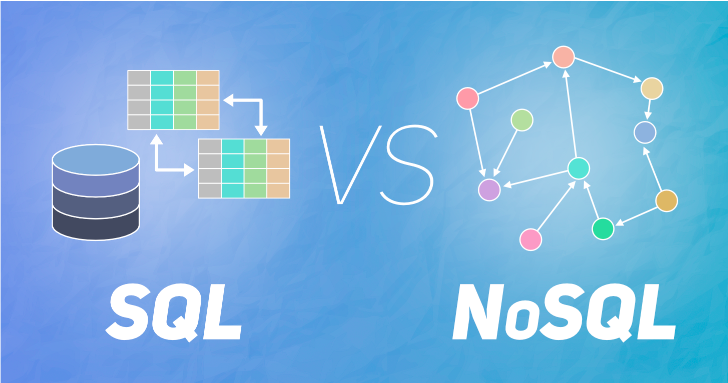
    In the realm of software development, efficient database management is a cornerstone of success. Developers need to make informed choices about the type of database to use, and the choice between SQL (Structured Query Language) and NoSQL (Not Only SQL) databases is a critical decision that can significantly impact the performance and scalability of an application.

    SQL databases are relational databases that use a structured schema to store and organize data. They are known for their data integrity, transaction support, and strong consistency. SQL databases are suitable for applications where data relationships are well-defined, such as financial systems and e-commerce platforms. They provide a standardized way to query and manipulate data using SQL queries, which makes complex queries more manageable.

    On the other hand, NoSQL databases are designed to handle large volumes of unstructured or semi-structured data. They offer flexibility and horizontal scalability, making them suitable for applications with rapidly changing data requirements, such as social media platforms and real-time analytics. NoSQL databases come in various types, including document-based, key-value, column-family, and graph databases, each optimized for specific use cases.

    The choice between SQL and NoSQL depends on factors such as the nature of the application, scalability needs, and data structure complexity. SQL databases excel in scenarios where data consistency and integrity are crucial. NoSQL databases shine in situations that demand high performance, horizontal scaling, and the ability to handle diverse data types.

    It’s worth noting that the lines between SQL and NoSQL are not always rigid. Many databases, such as NewSQL databases, aim to combine the best of both worlds by offering the benefits of traditional SQL databases with the scalability of NoSQL databases.

    In conclusion, the decision between SQL and NoSQL databases is a nuanced one that requires careful consideration of the specific requirements of the application. Both types have their strengths and weaknesses, and developers must choose the option that aligns with their project goals and long-term scalability needs.

  • The Future of Software: Predicting Trends and Innovations

    The Future of Software: Predicting Trends and Innovations

    The world of software is constantly evolving, shaping the way we live, work, and interact. As technology advances at an unprecedented pace, the future of software holds exciting possibilities and innovations that will continue to reshape various industries.

    One of the most prominent trends in software development is artificial intelligence (AI) and machine learning. These technologies are being integrated into various applications, from customer service chatbots to predictive analytics in business. The ability of AI to learn from data and make informed decisions is revolutionizing processes and decision-making across sectors.

    Another significant trend is the rise of augmented reality (AR) and virtual reality (VR) applications. These technologies are no longer limited to gaming; they’re being used in fields like education, healthcare, and architecture. From interactive learning experiences to virtual property tours, AR and VR are enhancing user engagement and transforming how we perceive digital information.

    Cloud computing continues to play a pivotal role in the software landscape. Its flexibility and scalability are driving innovation by allowing businesses to develop and deploy applications more efficiently. Edge computing, an extension of cloud computing, is gaining traction as it brings data processing closer to the source, enabling real-time applications and reducing latency.

    Cybersecurity remains a critical concern in the future of software. With the increasing connectivity of devices and systems, the need for robust security measures is paramount. Software developers are focusing on building more secure applications and implementing advanced encryption techniques to safeguard user data.

    Open source software is also expected to play a substantial role in the future. It promotes collaboration and knowledge sharing, allowing developers to build on existing foundations and accelerate innovation. This collaborative approach is likely to result in more sophisticated and specialized software solutions.

    In conclusion, the future of software is marked by the convergence of cutting-edge technologies, data-driven insights, and collaborative efforts. As these trends continue to unfold, they will shape the way we interact with technology, opening doors to new possibilities and transforming industries across the globe.